Oral Surgery in Dubai.
Wisdom tooth removal, surgical tooth extraction, apicoectomy, jaw cyst surgery, oral biopsy and impacted canine exposure, with Dr. Antoine Habib.
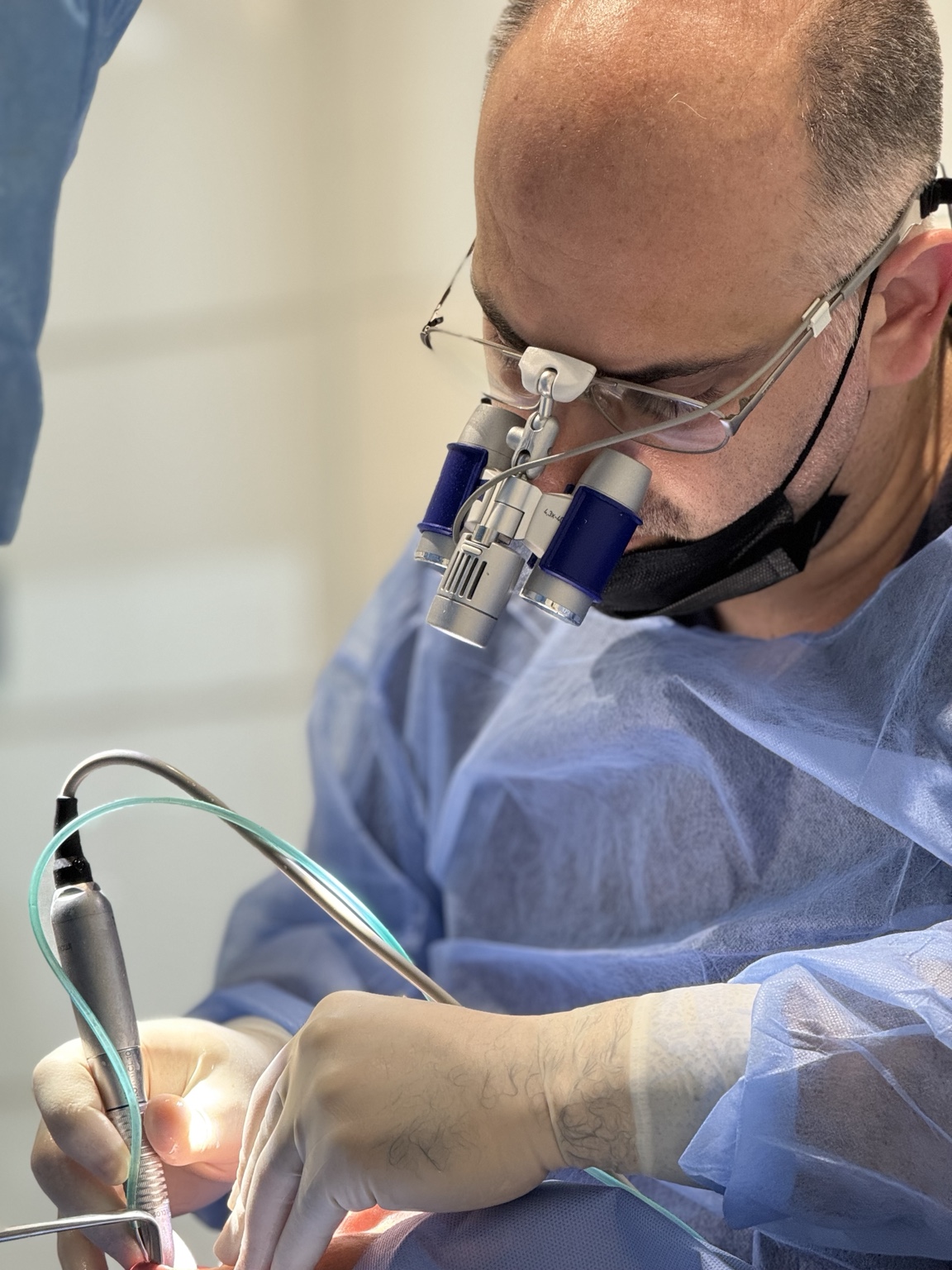
Oral surgery services. Conditions we assess and treat.
Select a service to see the condition it addresses, how it is assessed and the treatment options.
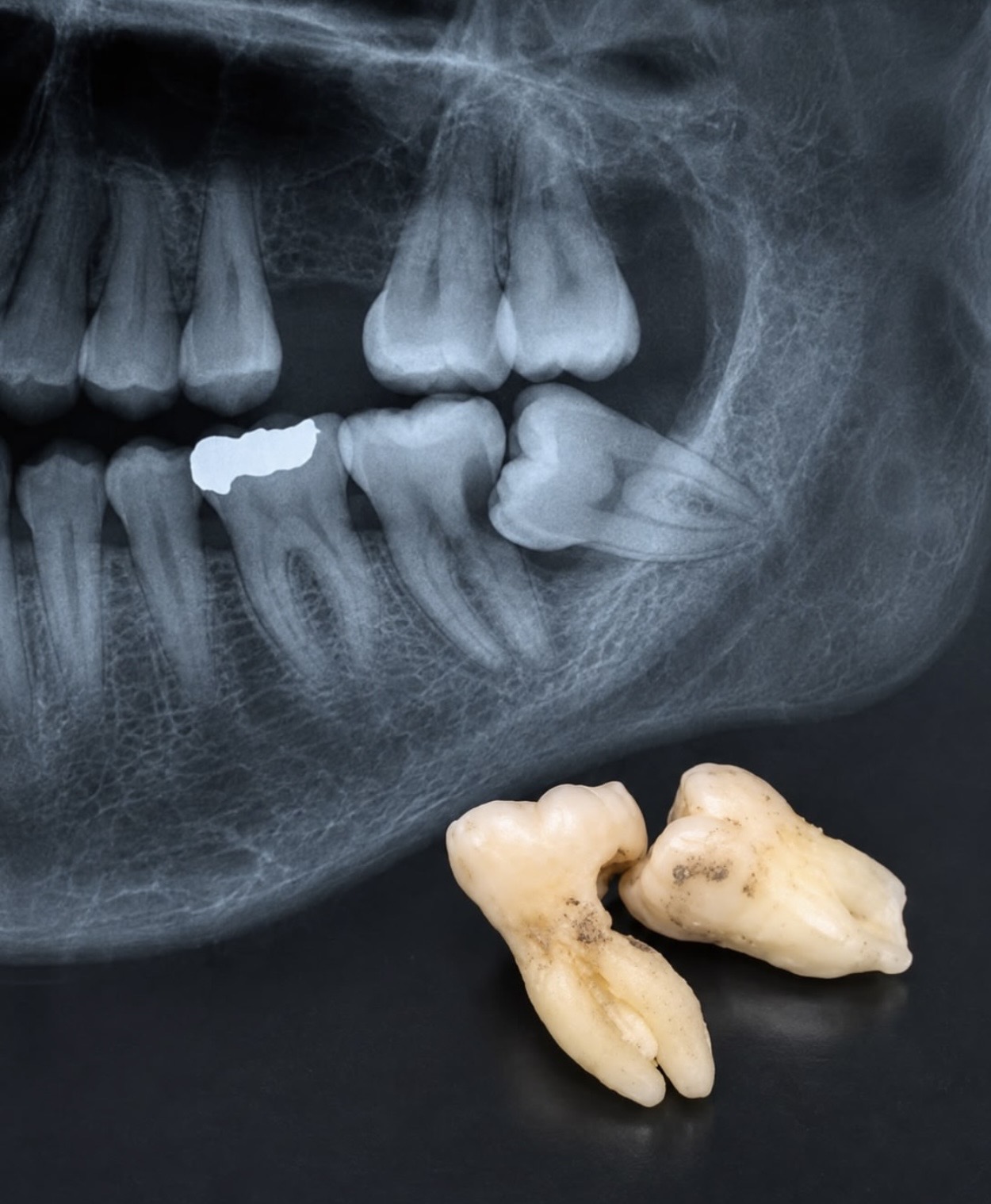
Wisdom Tooth Removal
Assessment of impacted, infected or damaged wisdom teeth. Removal is considered when the clinical findings indicate it.
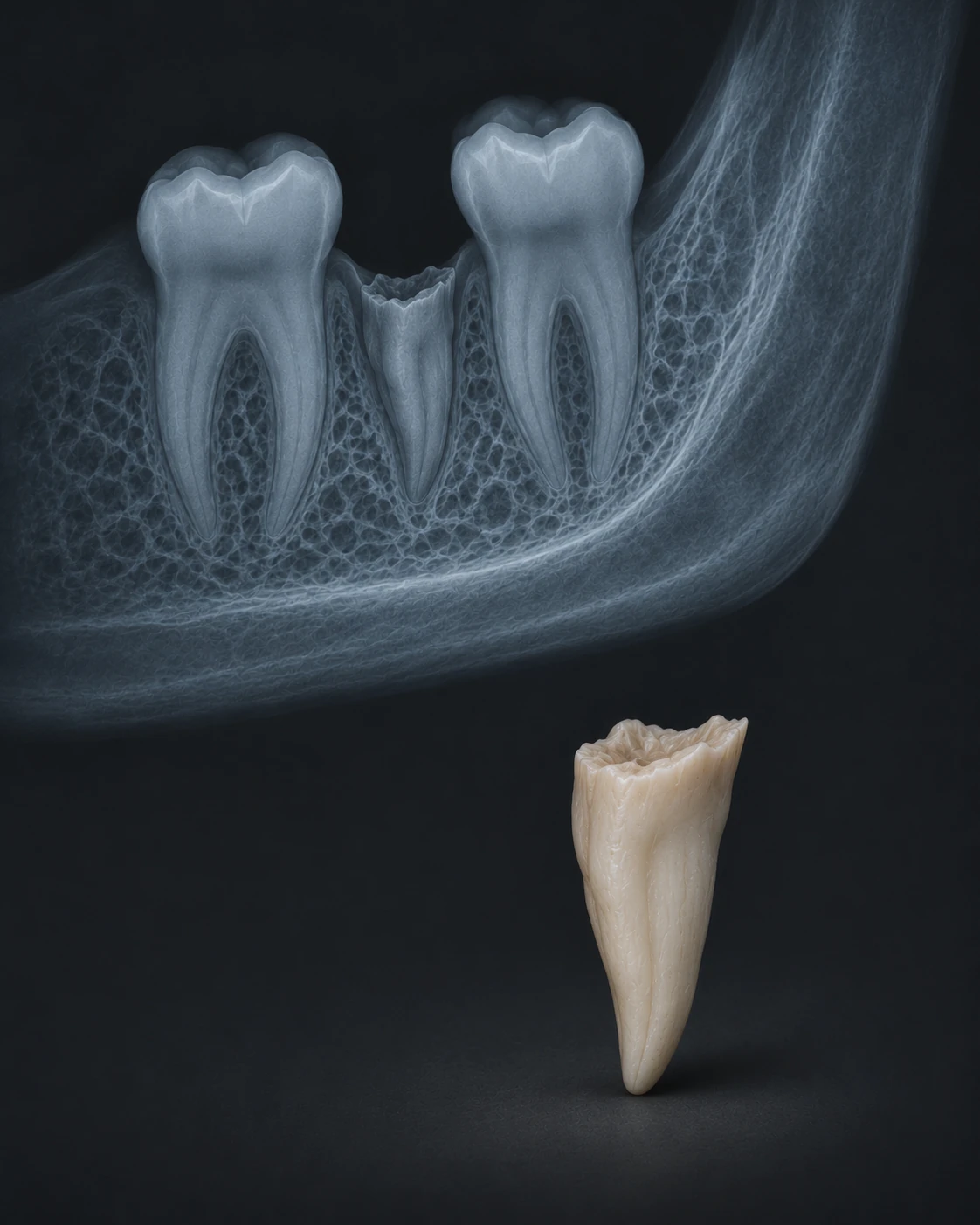
Tooth Extraction & Retained Roots
Removal of non-restorable teeth, fractured teeth and retained roots, including cases that require a surgical approach.
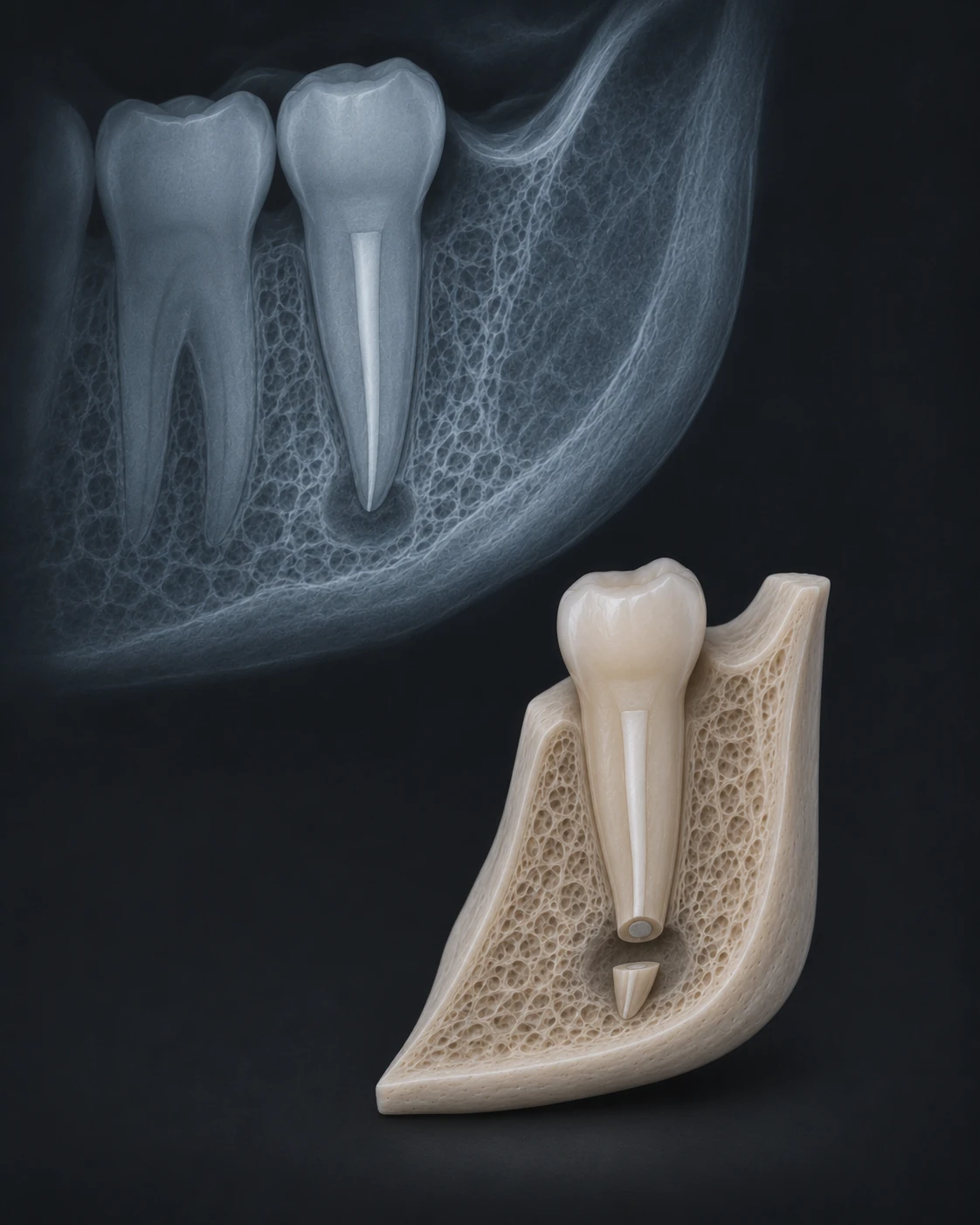
Apicoectomy
Assessment of persistent infection around a root tip after root canal treatment. Root-end surgery may help retain a suitable tooth when indicated.
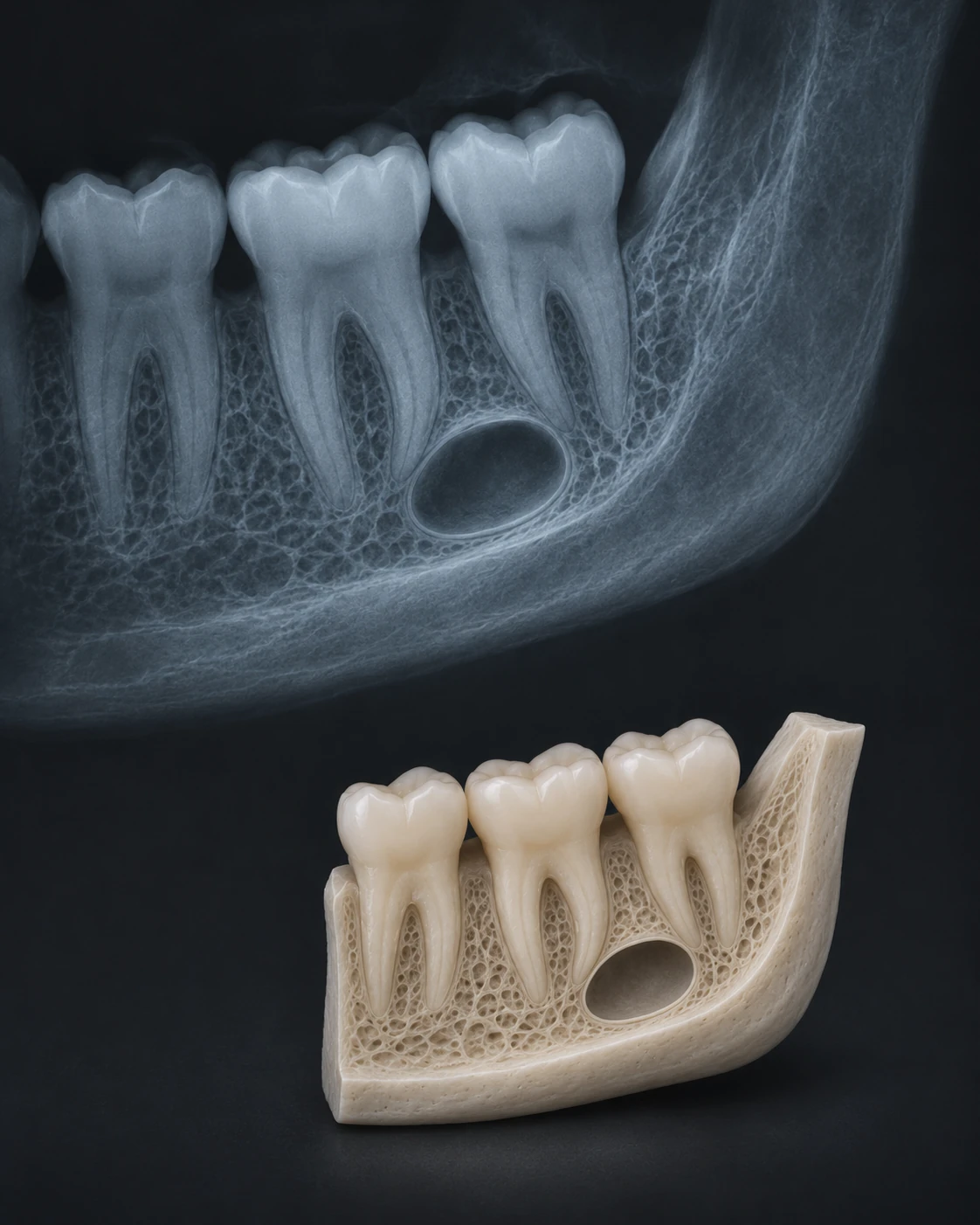
Jaw Cyst Assessment & Removal
Assessment of cystic lesions within the jaw, with surgical treatment when indicated. Tissue examination may be needed to confirm the diagnosis.
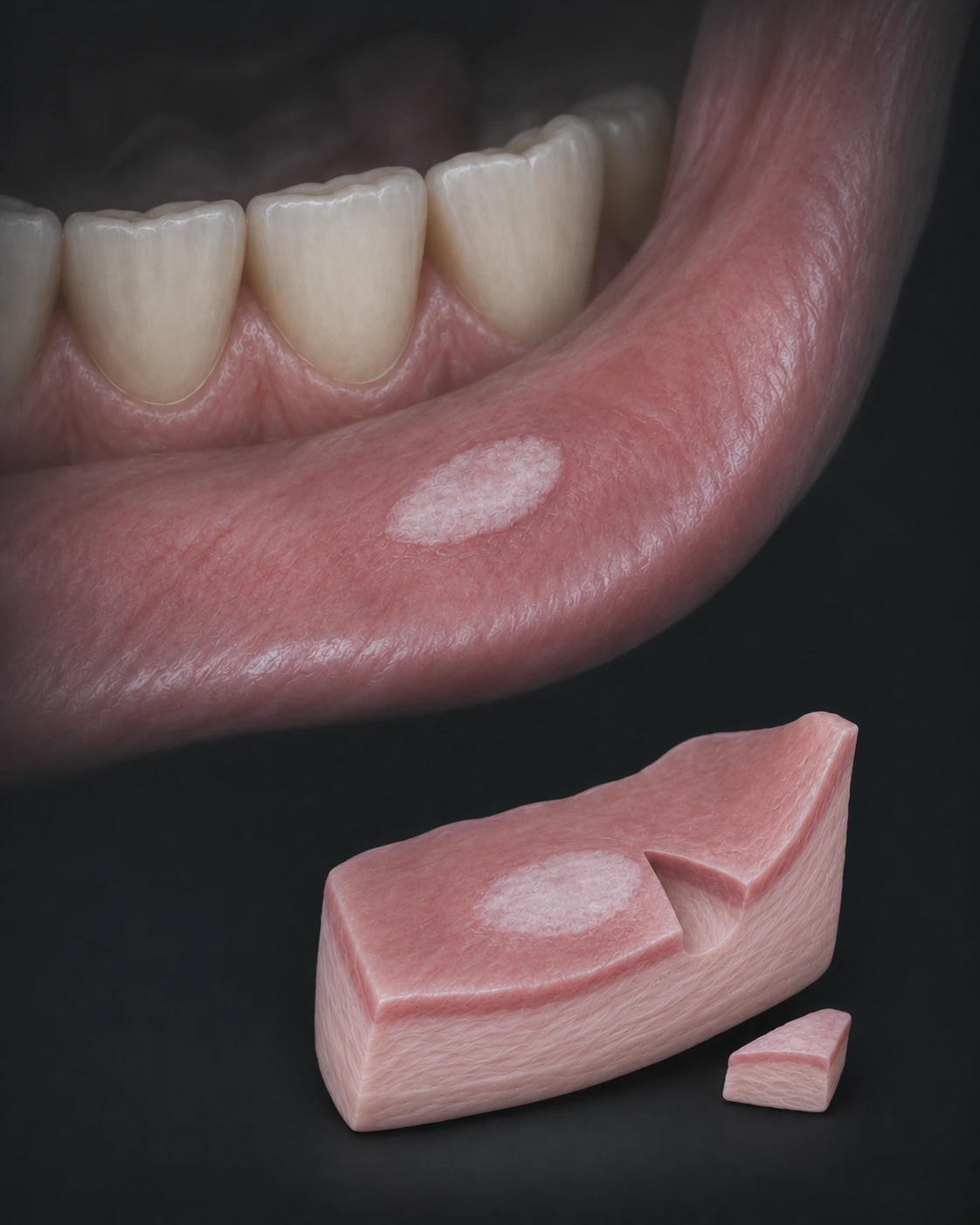
Oral Lesions & Biopsy
Examination of persistent ulcers, lumps and red or white patches. A biopsy provides tissue for laboratory diagnosis when needed.

Impacted Canine Exposure
Surgical exposure of an unerupted canine, with attachment of an orthodontic bracket or chain when appropriate, planned with your orthodontist.
Wisdom Tooth Removal
Symptoms, gum health, tooth position and any effect on nearby teeth. Imaging helps assess the roots and surrounding structures.
Monitoring or removal, according to the findings. A wisdom tooth does not automatically need to be extracted.
Any existing X-rays, your medication list and a note of previous episodes of pain or swelling.
Tooth Extraction & Retained Roots
Whether the tooth can be restored, its roots and position, surrounding bone and relevant medical factors.
If removal is appropriate, the surgical approach and the plan for healing or future tooth replacement are discussed.
A referral if available, existing X-rays and information about blood-thinning medicines or other medical treatment.
Apicoectomy (Root-End Surgery)
The tooth, restoration, root canal treatment and surrounding tissues. Pain does not automatically mean a root-end operation is needed.
Depending on the findings, options may include retreatment, root-end surgery or another approach. The tooth must be suitable to retain.
Previous root canal records, X-rays and details of when symptoms return.
Jaw Cyst Assessment & Surgery
The examination and imaging help define the location, extent and relationship to teeth and nearby structures.
Further imaging, monitoring, tissue sampling or surgery may be considered. A laboratory examination may be needed to establish the diagnosis.
The scan or X-ray, any radiology report and previous images for comparison.
Oral Lesions & Diagnostic Biopsy
How long it has been present, changes in appearance, local irritation, symptoms and relevant medical factors.
Management may involve removing an irritant, review or a biopsy. A tissue sample can help establish a diagnosis when needed.
A timeline of the problem, earlier photographs if available, and details of any treatment already tried.
Impacted Canine Exposure
The position of the unerupted tooth, adjacent roots, available space and the orthodontic plan.
In suitable cases, exposure of the tooth and attachment of an orthodontic bracket or chain can help your orthodontist guide it into position.
Your orthodontist’s referral, current imaging and the proposed orthodontic treatment plan.
Anaesthesia & treatment setting.
Feeling nervous is understandable. We explain the treatment, anaesthetic and recovery before you decide, so you know what is planned and why.
Does this mean a hospital visit?
Many oral surgery procedures can be managed in a clinic. The setting depends on the procedure, your health and the anaesthetic you need.
What will I feel?
Local anaesthetic numbs the treatment area. You may still notice pressure or movement. Tell us about previous experiences or anxiety so we can plan with you.
What happens afterwards?
Recovery depends on the procedure. We discuss likely discomfort and swelling, time away from work, aftercare and when to contact the clinic.
Clinical assessment. An individual treatment plan.
We connect your symptoms, examination and relevant imaging, then discuss the options and their limitations.
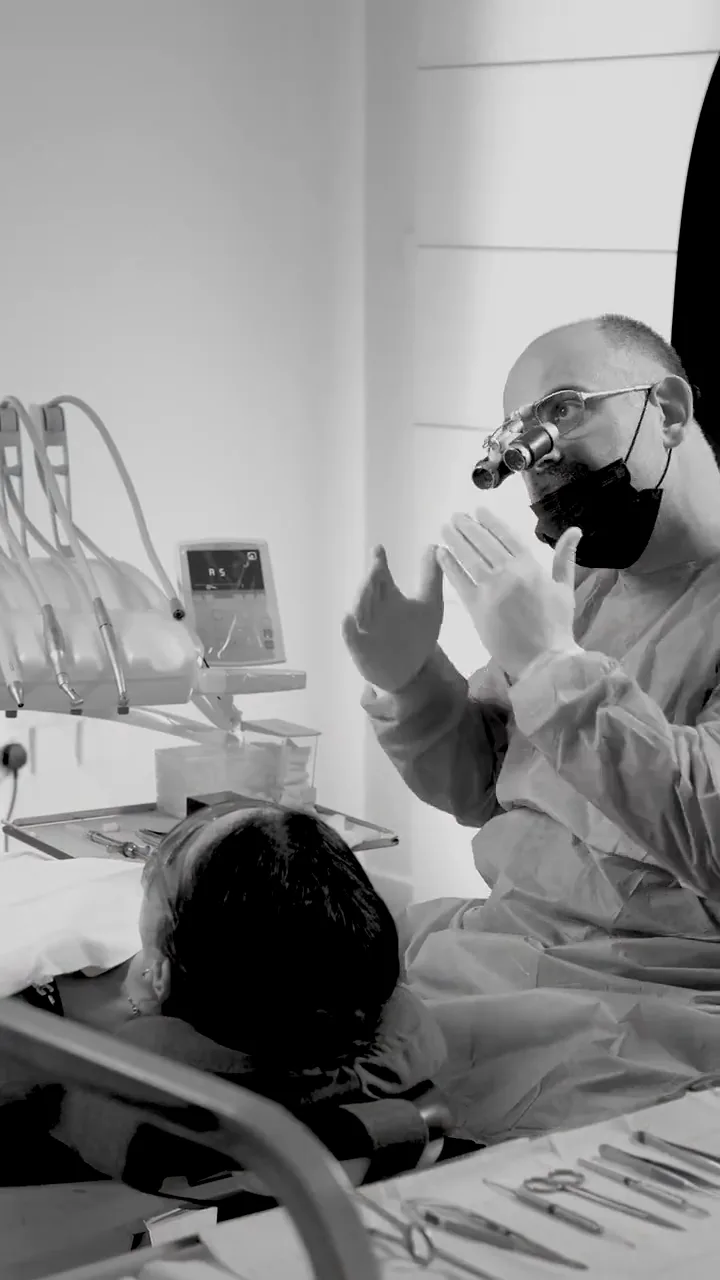
Understand the concern
Your symptoms, dental history, health and medicines help guide the assessment.
Use the imaging you need
Existing X-rays may be enough. A CBCT is considered when additional detail is likely to affect the treatment plan.
Discuss the options
We explain the diagnosis, alternatives, relevant risks, costs and whether treatment is needed now.
Plan treatment and review
Your appointment, anaesthetic, aftercare and follow-up are agreed according to the procedure.
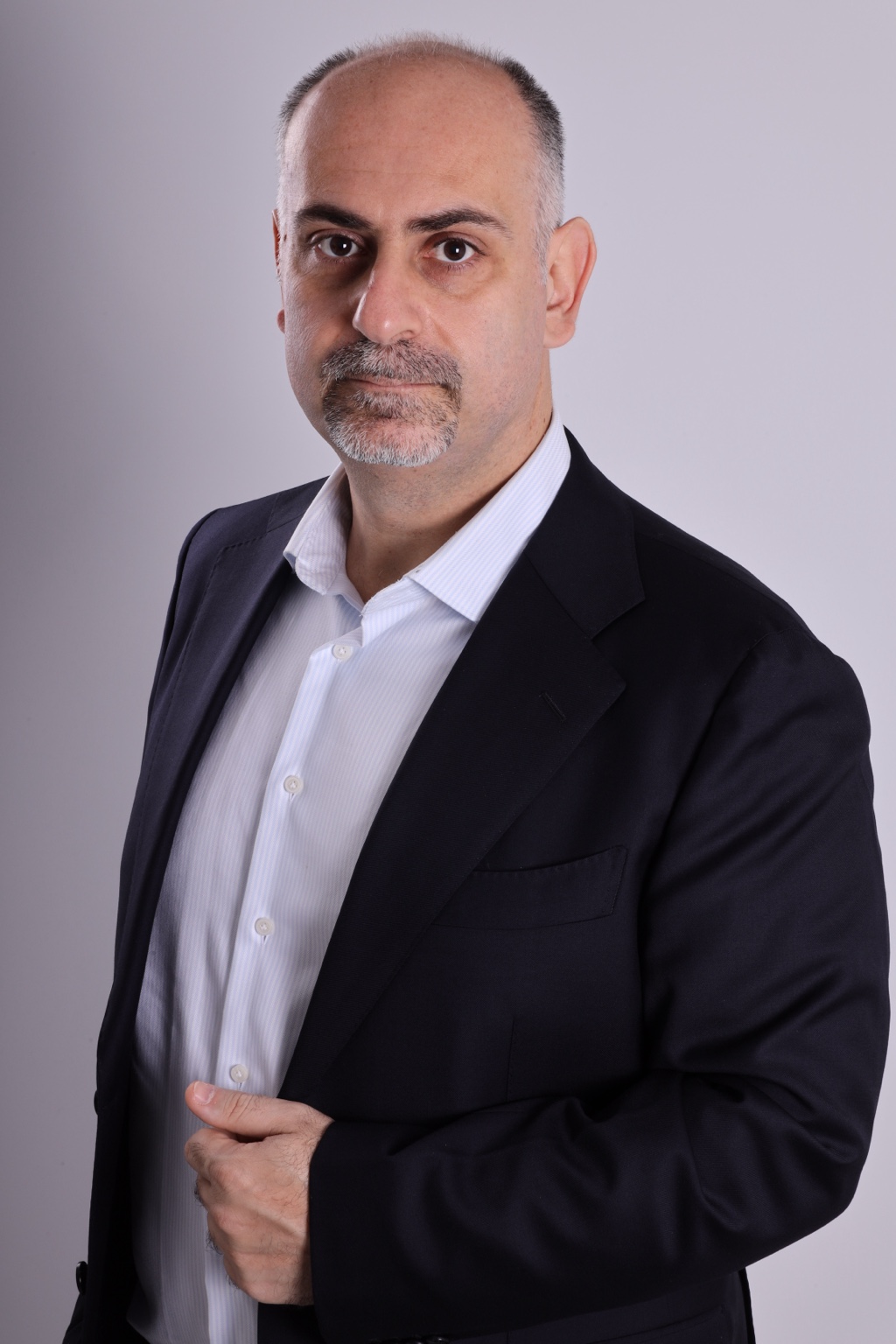
Dr. Antoine Habib
Oral & Maxillofacial Surgeon, Dubai
The same surgical thinking applies to a single tooth and a more involved case: understand the anatomy, choose the appropriate treatment and handle the tissues with care.
From wisdom tooth removal to root-end surgery and biopsy, the aim is a clear diagnosis and a treatment plan that makes sense for you.
Recovery & follow-up.
Practical instructions.
We explain eating, oral hygiene, activity and any medicines prescribed for your case, with written aftercare instructions.
A clear review plan.
You will know whether a follow-up is needed, how biopsy results will be discussed, and which symptoms should prompt a call.
Care, in their words.
Selected comments published on the current oral surgery page.
Individual experiences and recovery vary.
Oral surgery: common questions.
Does every wisdom tooth need removing?
No. The decision depends on symptoms, disease, tooth position and the risk to surrounding structures. Monitoring may be appropriate for some teeth.
Can my tooth be saved instead of extracted?
Sometimes. Depending on the diagnosis, options may include restorative treatment, root canal retreatment or root-end surgery. We assess whether the tooth is restorable before recommending removal.
Do I need a CBCT scan?
Not automatically. The need depends on your examination, existing images and whether a three-dimensional view would change the plan.
Can consultation and treatment happen on the same day?
It may be possible after assessment, depending on the procedure, your health, preparation and appointment availability. It cannot be promised before your case has been reviewed.
How long will I need off work?
It varies with the operation and your type of work. We discuss a realistic recovery plan during your consultation.
Does a biopsy mean something serious?
Not necessarily. A biopsy takes a small tissue sample for laboratory examination to help establish the diagnosis. A sore, patch or lump that persists for around two weeks should be checked rather than repeatedly treated without a diagnosis.
What affects the cost?
The type and complexity of the procedure, imaging, anaesthetic and any laboratory testing affect the total. Your treatment plan and expected fees are explained before you proceed.
Can I bring a referral or an existing X-ray?
Yes. Bring any referral letter, relevant scans or X-rays, your medication list and information about previous treatment.
Oral surgery patient guides
If a lower wisdom tooth is close to a nerve, ask whether coronectomy is suitable. With pain or swelling around a partially erupted tooth, read about wisdom tooth pain and infection.
Read the extraction recovery and aftercare guide for food, cleaning and what to expect. If pain increases a few days later, read how dry socket is assessed.
When comparing estimates, check what affects tooth extraction cost and what the estimate includes.
An ulcer that does not heal should be checked. An X-ray finding around an unerupted tooth may need assessment for a dentigerous cyst or another cause.
Book an oral surgery consultation.
Book an oral surgery consultation with Dr. Antoine. Tell us what is bothering you and bring any existing dental records.
For rapidly increasing facial swelling, difficulty breathing or swallowing, or bleeding that will not stop, seek urgent medical care. Routine online enquiries are not an emergency service.