Oral & Maxillofacial Surgeon in Dubai
Jaw Surgery · TMJ Surgery
Oral & Reconstructive Surgery
Restoring function and facial harmony through carefully planned, individualised care.
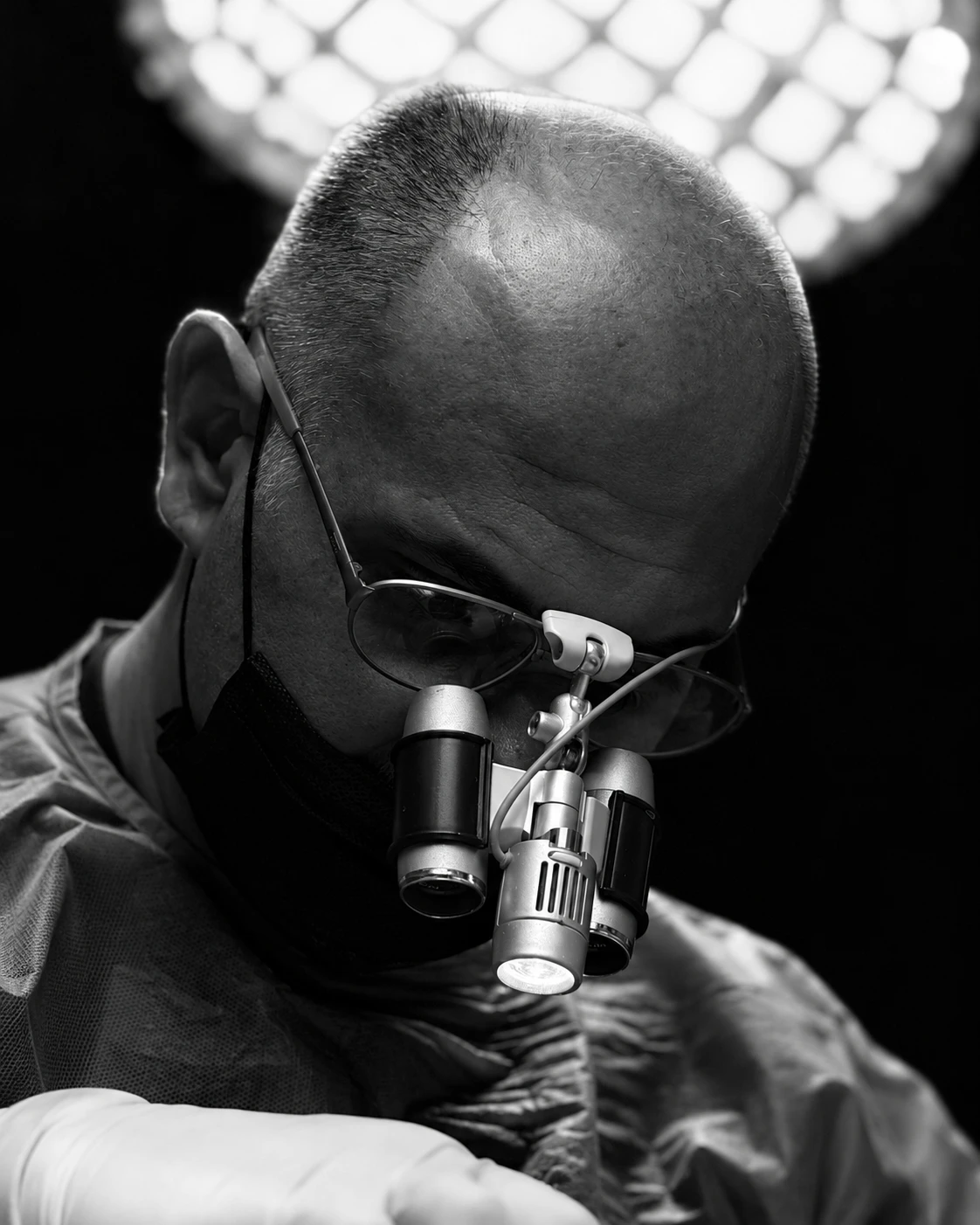
Orthognathic Surgery
Barcelona, Spain
TMJ Surgery
Lisbon, Portugal
Advanced Training in TMJ Arthroscopy
Assistant Lecturer
University of Sharjah
Master’s Programme in Oral Surgery & Implantology
AO CMF Member
AO Foundation
Precision. Function. Facial Harmony.

Jaw & Orthognathic Surgery
Jaw correction, bite alignment and facial asymmetry.

TMJ & Orofacial Pain
Diagnosis-led care, including arthroscopy and surgery when indicated.
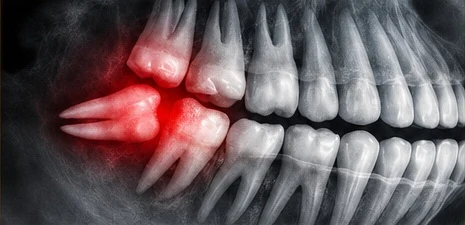
Oral Surgery
Complex wisdom teeth, jaw cysts and other oral surgical conditions.
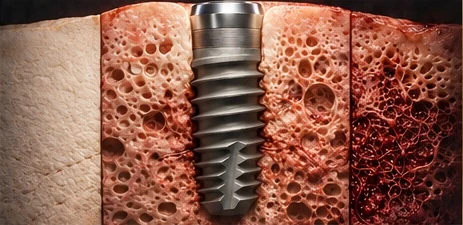
Bone Reconstruction & Complex Implants
Bone grafting, complex implant surgery and revision procedures.
Why Patients and Doctors Choose Dr. Antoine
Complex Cases & Reconstruction
Careful reassessment and surgical planning for bone loss, complex implants and previous treatment failures.
Function & Facial Balance
Treatment considers the bite, facial proportions, bone and soft tissues together.
Diagnosis Before Treatment
Understanding the cause of the problem before recommending surgery or non-surgical care.
Direct Care & Follow-up
Clear discussions about treatment, realistic expectations and continued review through recovery.
Precision Begins Before Surgery
Digital planning and advanced imaging, selected for the needs of each case.
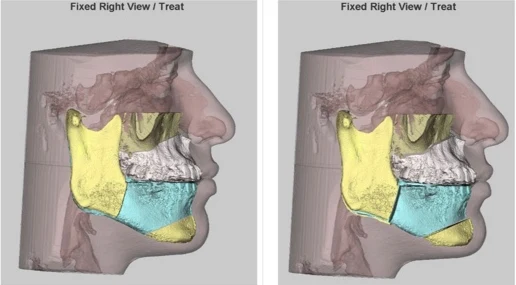
Orthognathic Surgery
Analysis of facial proportions and virtual planning of jaw movements.
Current anatomy / Virtual surgical plan
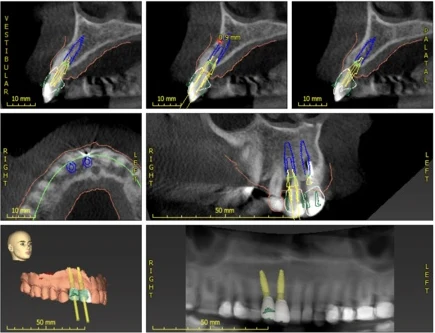
Implant Surgery
Planning implant position, angulation and its relationship to bone and the intended restoration.
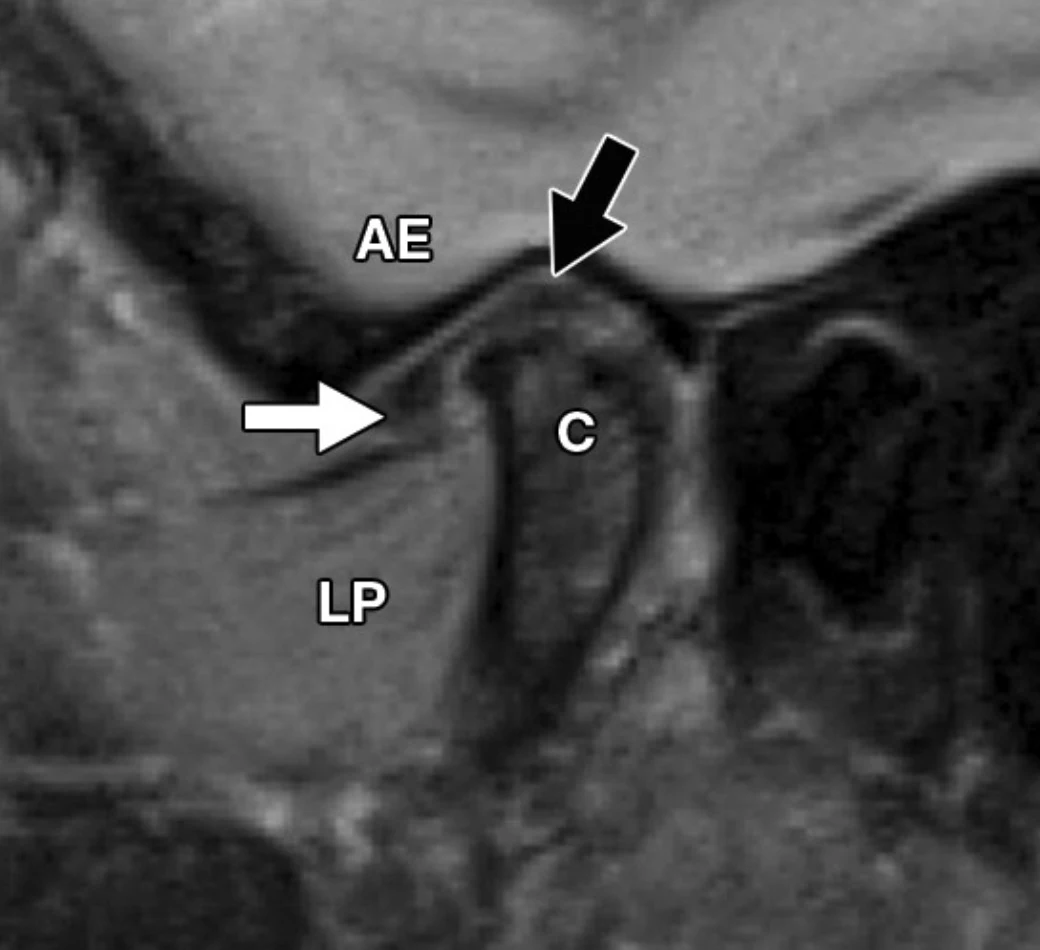
TMJ Assessment
Assessment of the joint disc and soft tissues alongside the clinical examination.
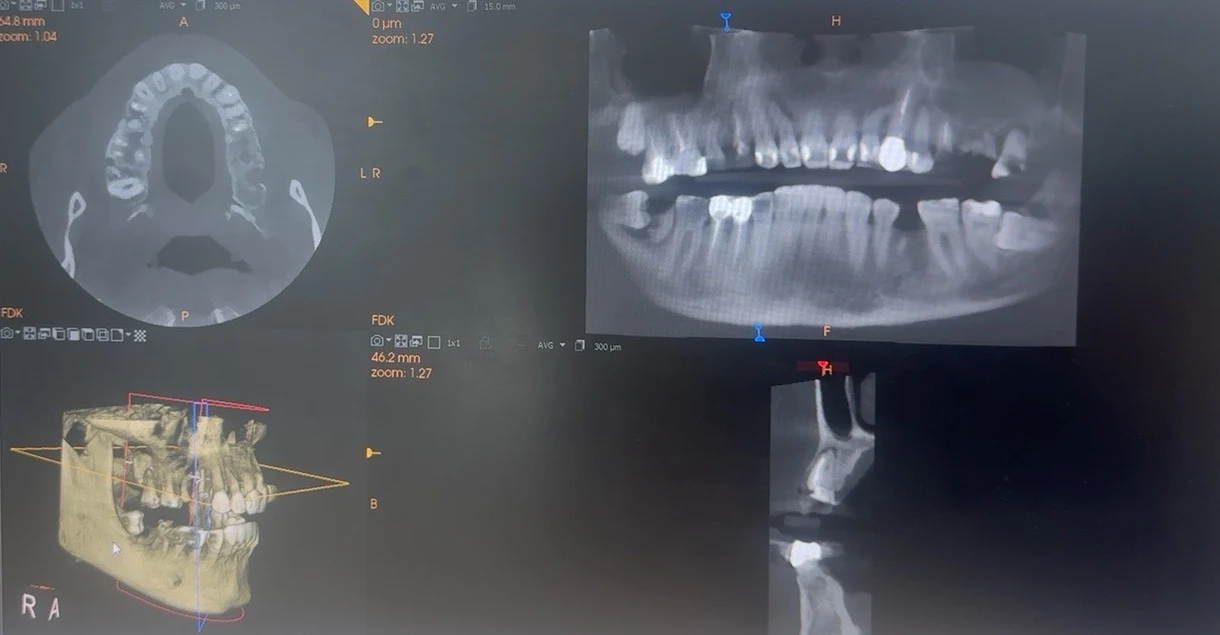
Oral Surgery
Three-dimensional assessment of teeth, bone and nearby anatomical structures when indicated.
Selected Surgical Cases
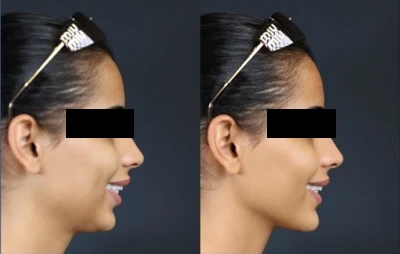
Facial Profile & Balance
A side-by-side view of this patient’s facial profile before and after treatment.
Individual outcomes vary. Treatment is planned around each patient’s anatomy and clinical needs.
What Would You Like Help With?
Choose the concern that best describes what you are experiencing.
01 My bite or jaw position
Bite problems, jaw position or facial asymmetry
Jaw position can affect chewing, the way the teeth meet and facial balance. An assessment helps determine whether orthodontics, jaw surgery or a combined approach may be appropriate.
02 Jaw pain, clicking or locking
Jaw joint and facial pain assessment
Jaw pain can arise from the joint, chewing muscles or other causes. An assessment helps identify the source and whether non-surgical care or a procedure is appropriate.
03 A wisdom tooth, cyst or oral problem
Assessment for oral surgery
Impacted teeth, jaw cysts and persistent oral changes need an individual assessment. Examination and appropriate imaging help clarify the diagnosis and treatment options.
04 Missing teeth, bone loss or a failed implant
Implant and bone reconstruction assessment
Treatment planning considers the existing bone and soft tissues, the intended restoration and any previous treatment. Options may include implant surgery, bone grafting or revision procedures.
05 I’m not sure where to start
Start with a consultation
You do not need to know the diagnosis or choose a procedure before booking. Describe your main concern and bring any relevant previous scans or reports so we can assess the next steps together.
Your selection helps you explore the right area of care. A consultation is needed for diagnosis and treatment recommendations.
In Their Own Words
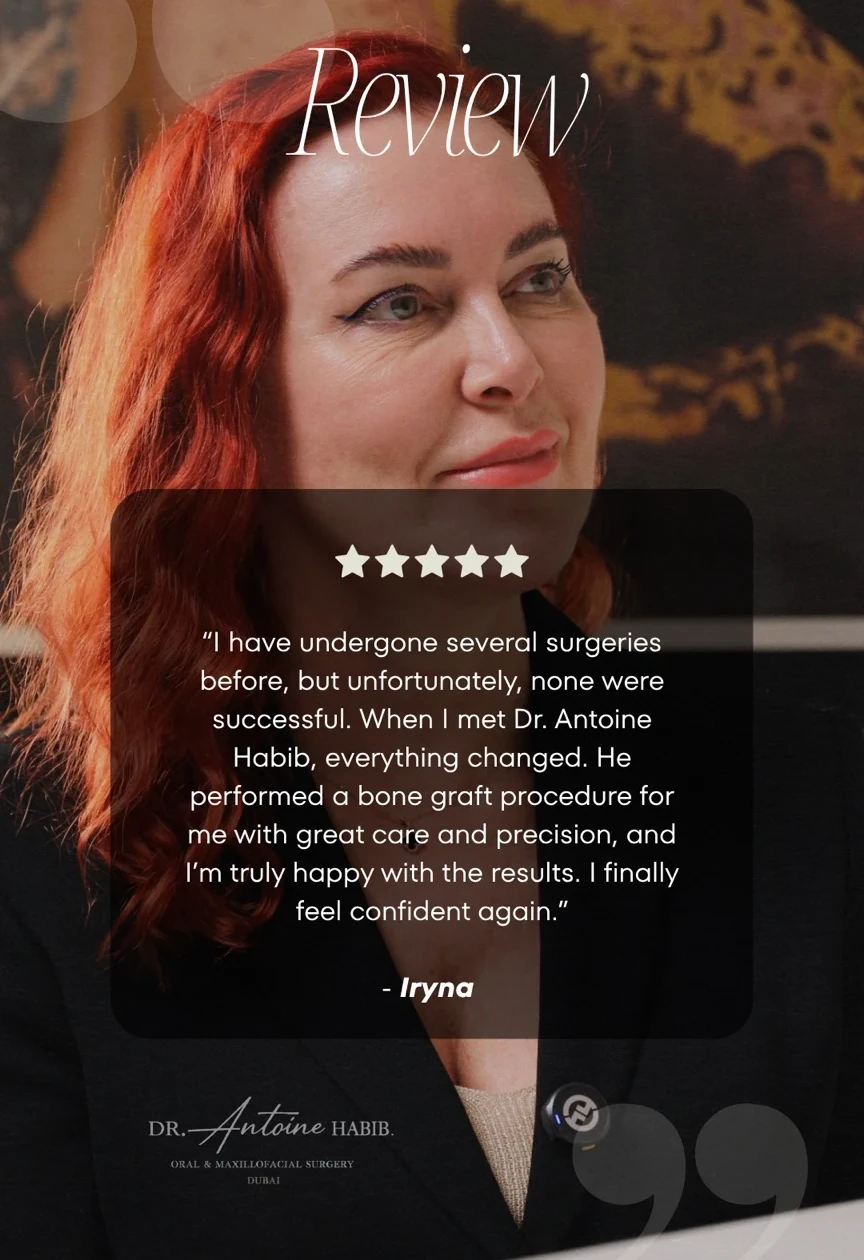
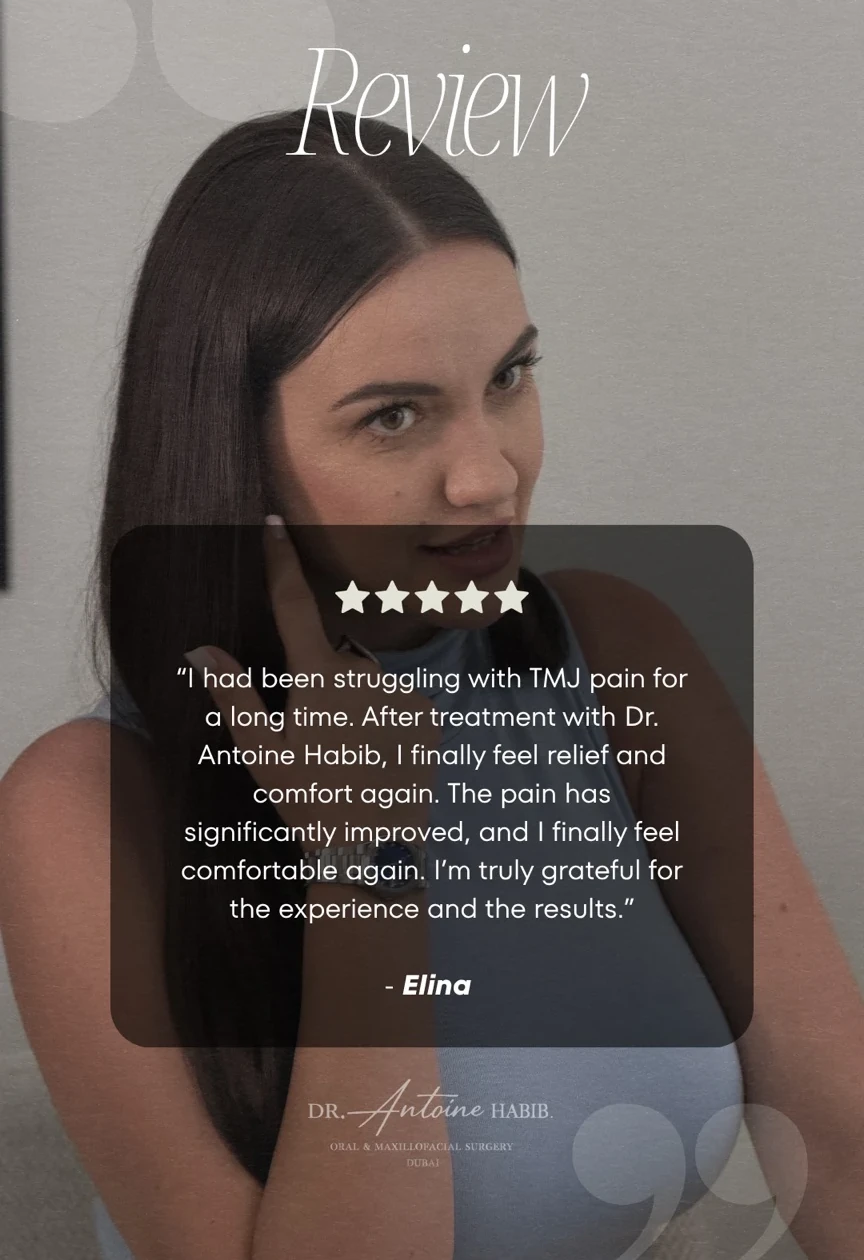
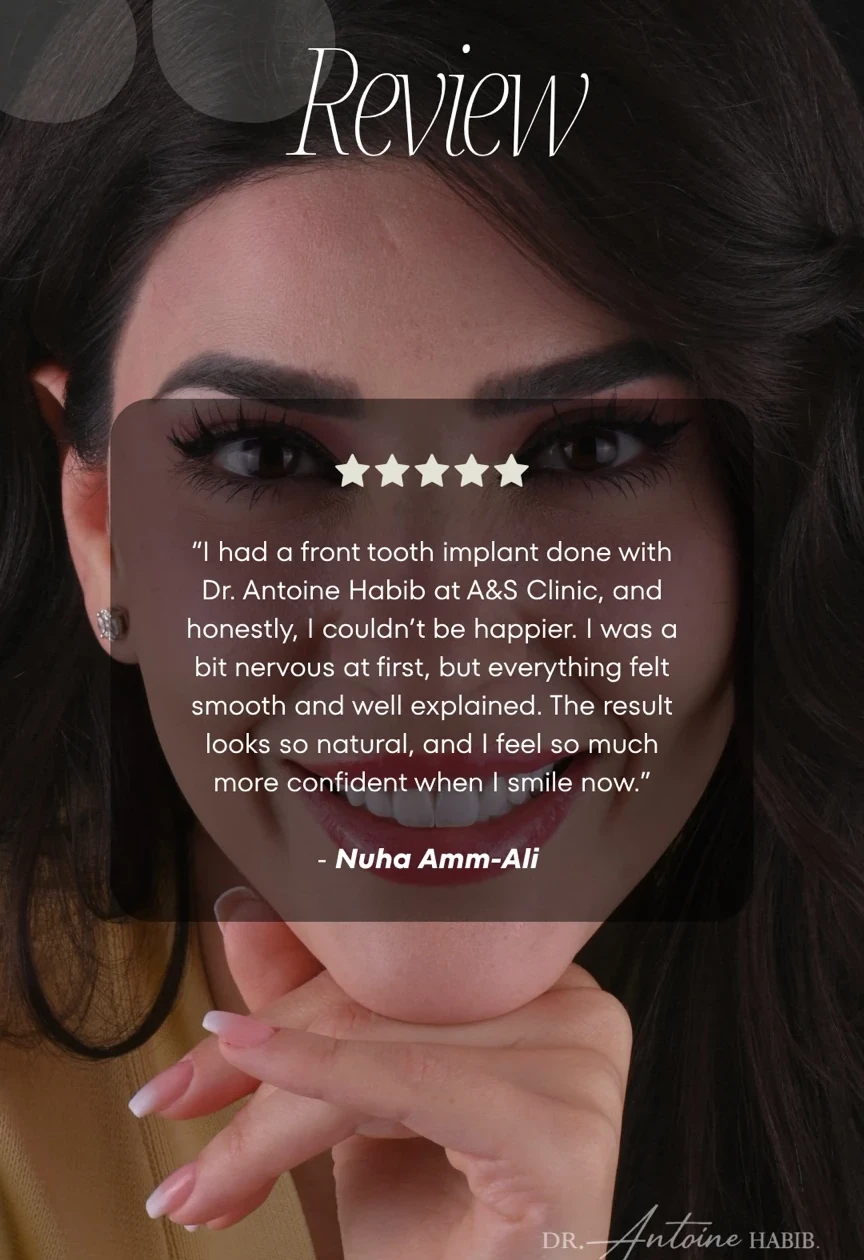
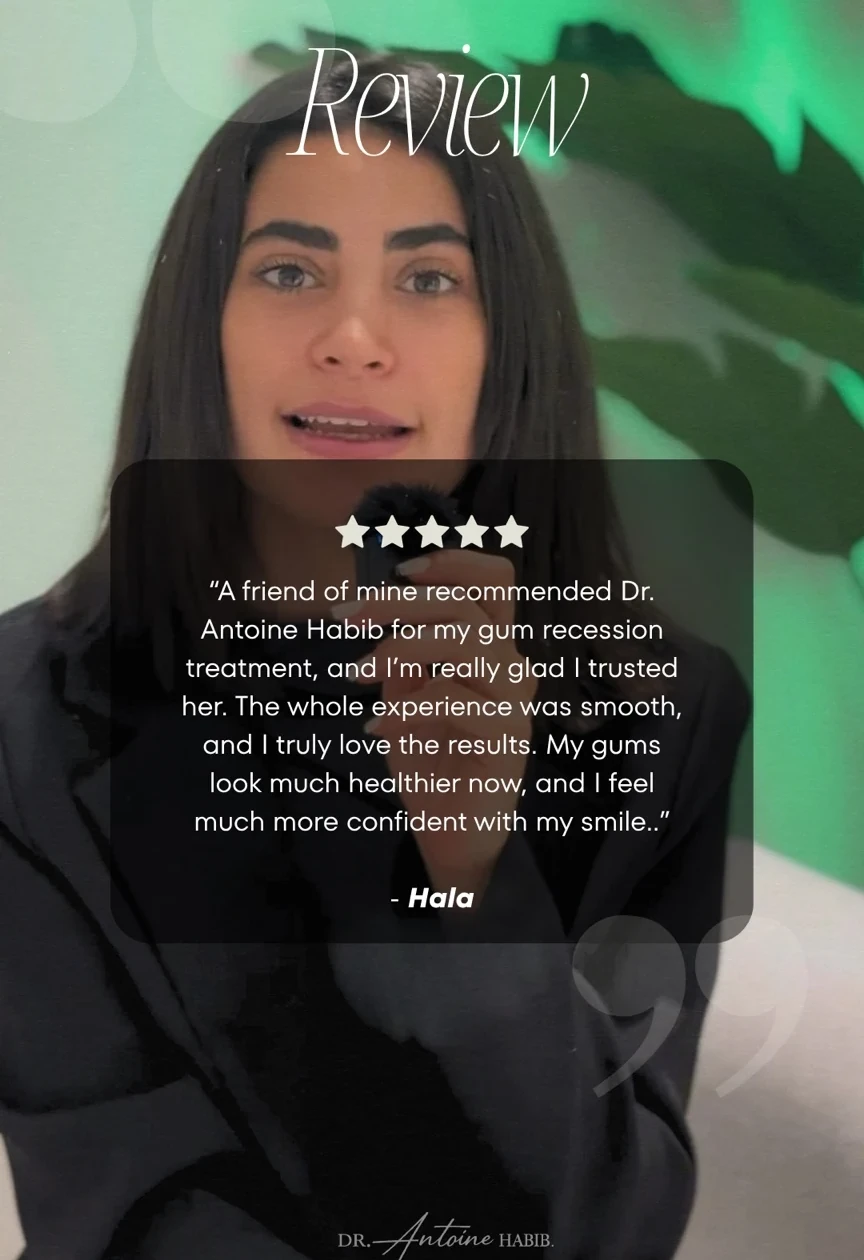
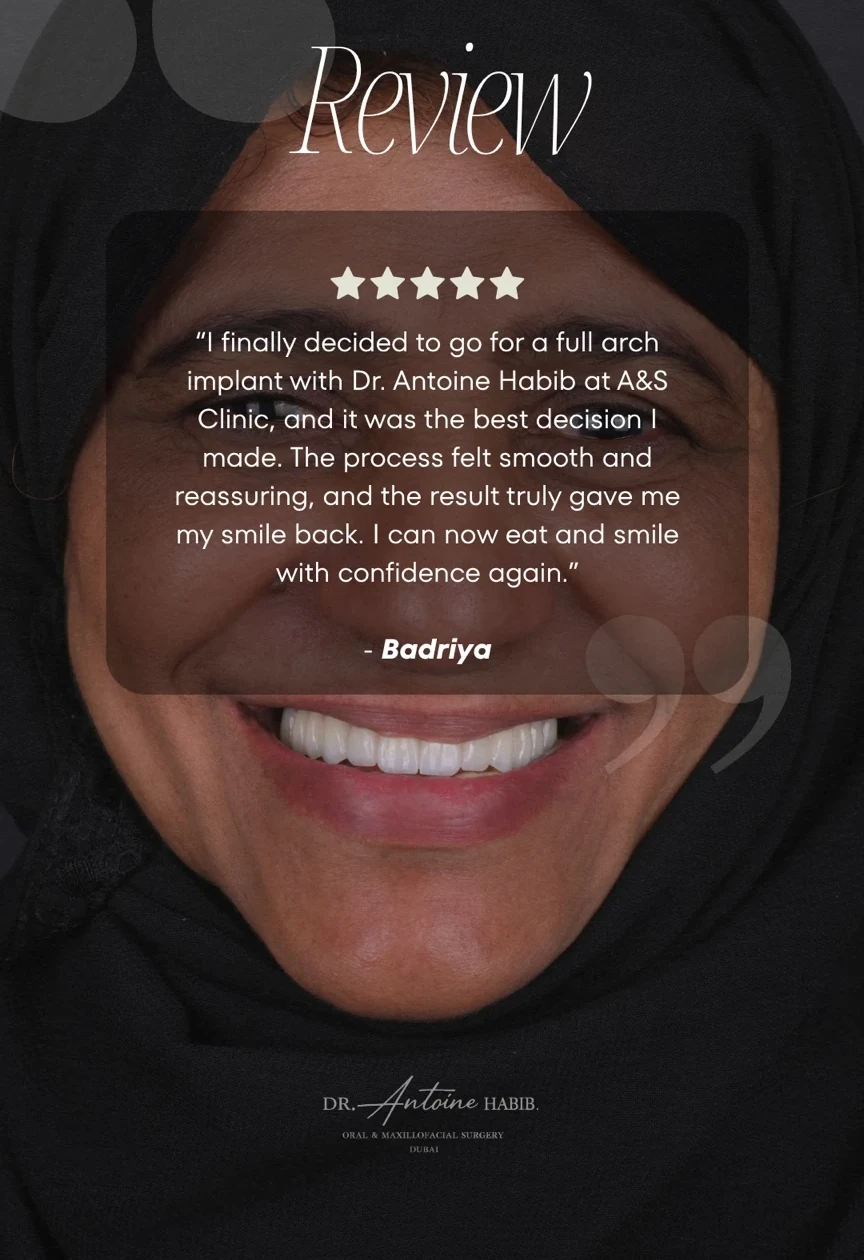
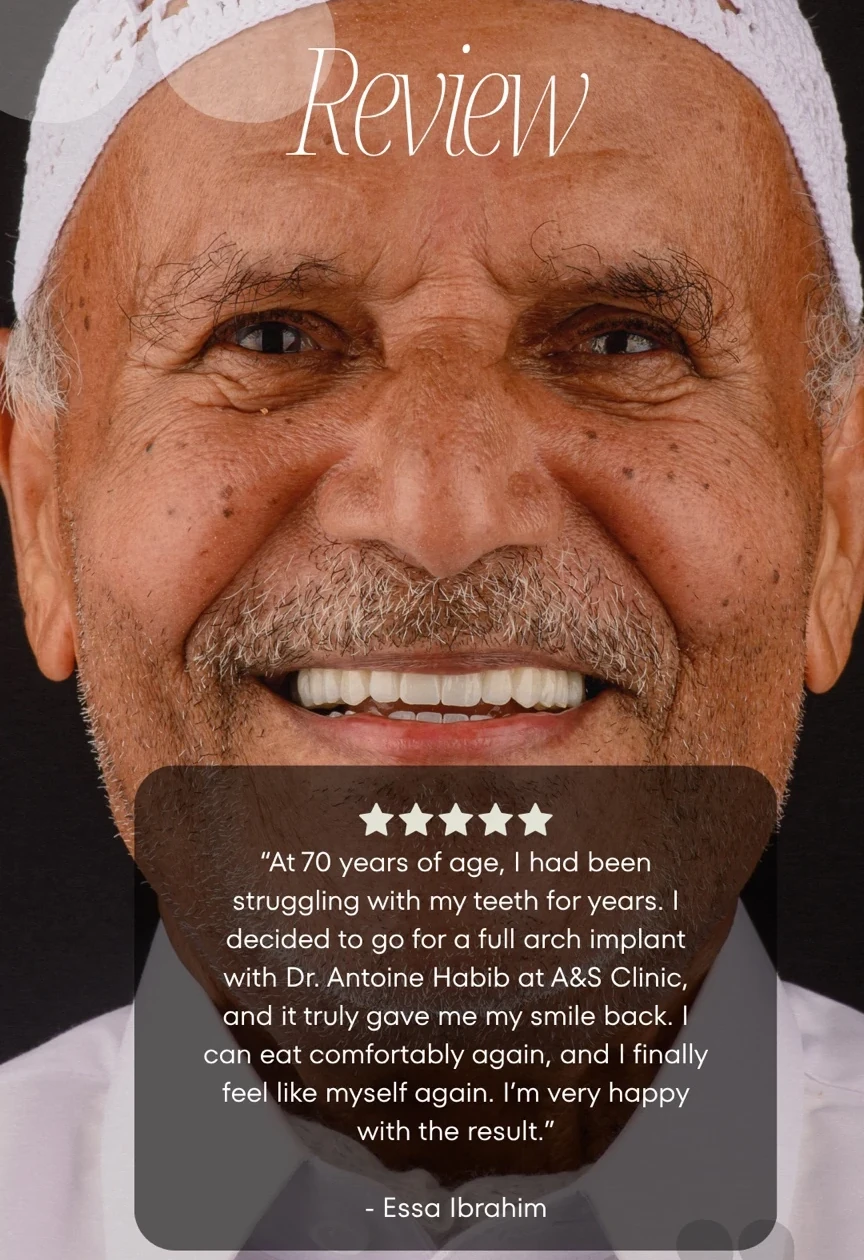
Individual experiences and treatment outcomes vary.
Before Your First Visit
A few answers to help you feel prepared for your consultation.
What does an oral and maxillofacial surgeon treat?
An oral and maxillofacial surgeon assesses and treats conditions affecting the mouth, jaws and related facial structures. Dr. Antoine’s areas of practice include jaw surgery, TMJ and orofacial pain, oral surgery, bone reconstruction and complex implants.
Does every condition need surgery?
No. Treatment depends on the diagnosis, symptoms and your individual needs. Some conditions can be managed without surgery. Surgical options are discussed when they are appropriate, together with their expected benefits, risks and alternatives.
What happens at the first consultation?
Dr. Antoine will discuss your symptoms, medical history and previous treatment, examine the relevant area, and review any available scans or reports. Further imaging or tests may be recommended when needed. You will have the opportunity to discuss the findings and suitable next steps.
Do I need a referral from another doctor?
You can contact the clinic directly to book a consultation. If another doctor or dentist has referred you, please bring the referral and any relevant records so they can be considered during your assessment.
Which scans and reports should I bring?
Bring any relevant CBCT scans, panoramic X-rays, MRI images and reports, previous treatment plans and surgical records, along with your medication list. Where possible, bring the original digital imaging files as well as the reports. You do not need to arrange new scans before speaking with the clinic.
Start with a Clear Assessment.
Discuss your concern and understand your options.
Before and after photographs supplied by Dr. Antoine Habib. Individual outcomes vary; assessment and treatment planning are specific to each patient.