Oral & Maxillofacial Treatments in Dubai
Jaw Surgery · TMJ & Orofacial Pain
Oral Surgery · Dental Implants
Restoring function and facial harmony through carefully planned, individualised care.
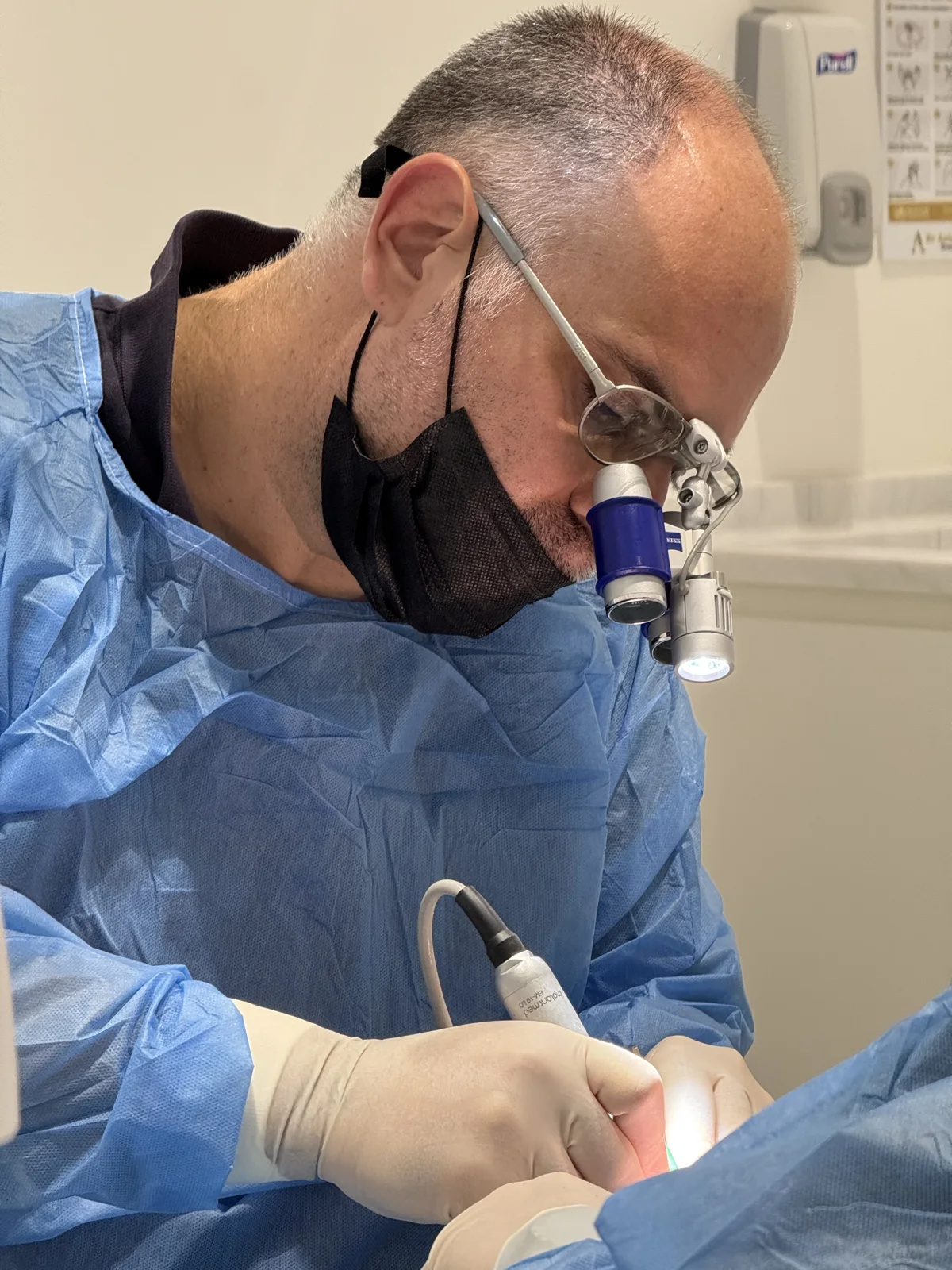
Precision. Function. Facial Harmony.

Jaw & Orthognathic Surgery
Jaw correction, bite alignment and facial asymmetry.
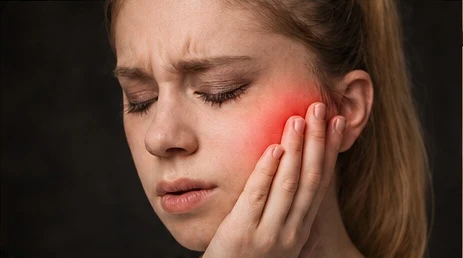
TMJ & Orofacial Pain
Diagnosis-led care, including arthroscopy and surgery when indicated.
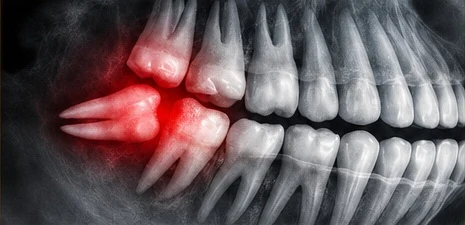
Oral Surgery
Complex wisdom teeth, jaw cysts and other oral surgical conditions.
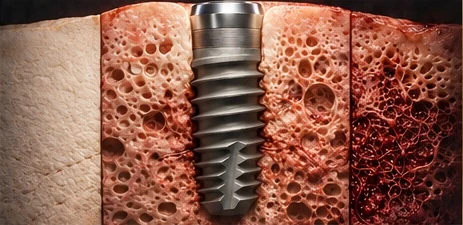
Bone Reconstruction & Complex Implants
Bone grafting, complex implant surgery and revision procedures.
Jaw & Orthognathic Surgery
Jaw correction, bite alignment and facial asymmetry.
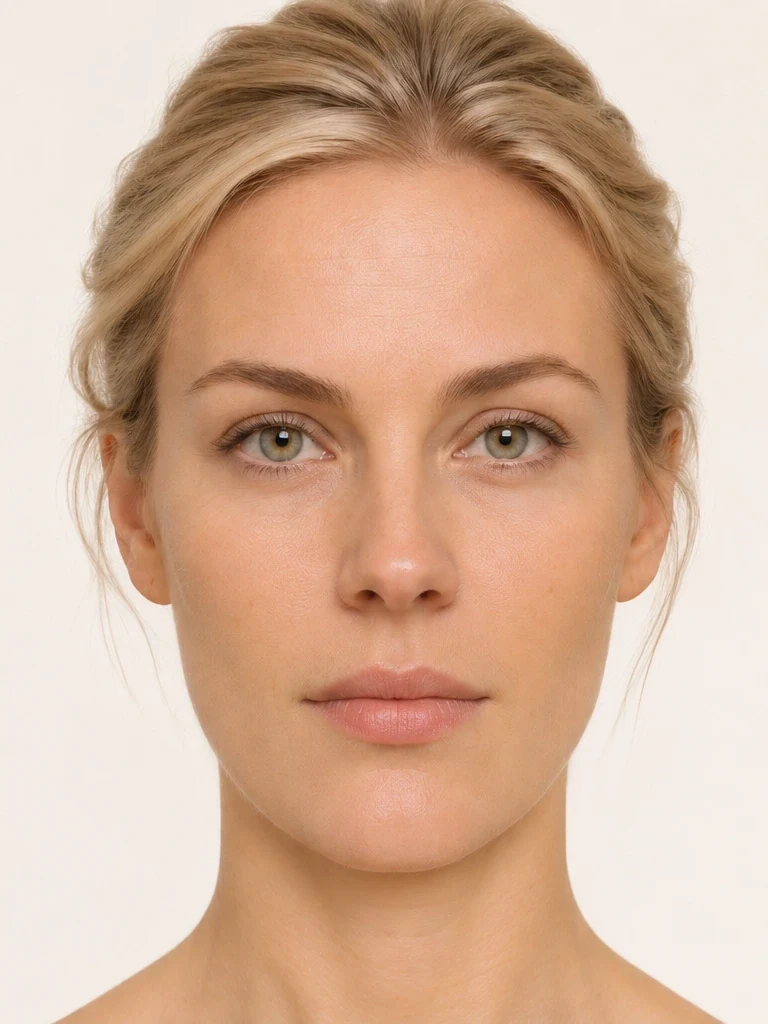
Jaw surgery patient concerns.
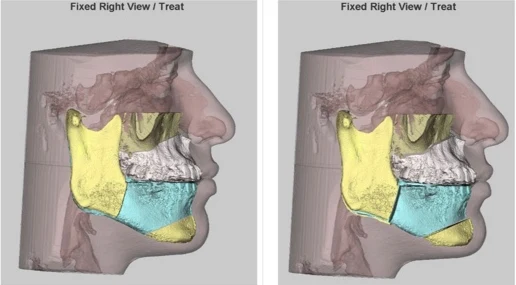
Virtual surgical planning (VSP) helps the surgeon and orthodontist evaluate how proposed jaw movements fit your teeth and face.
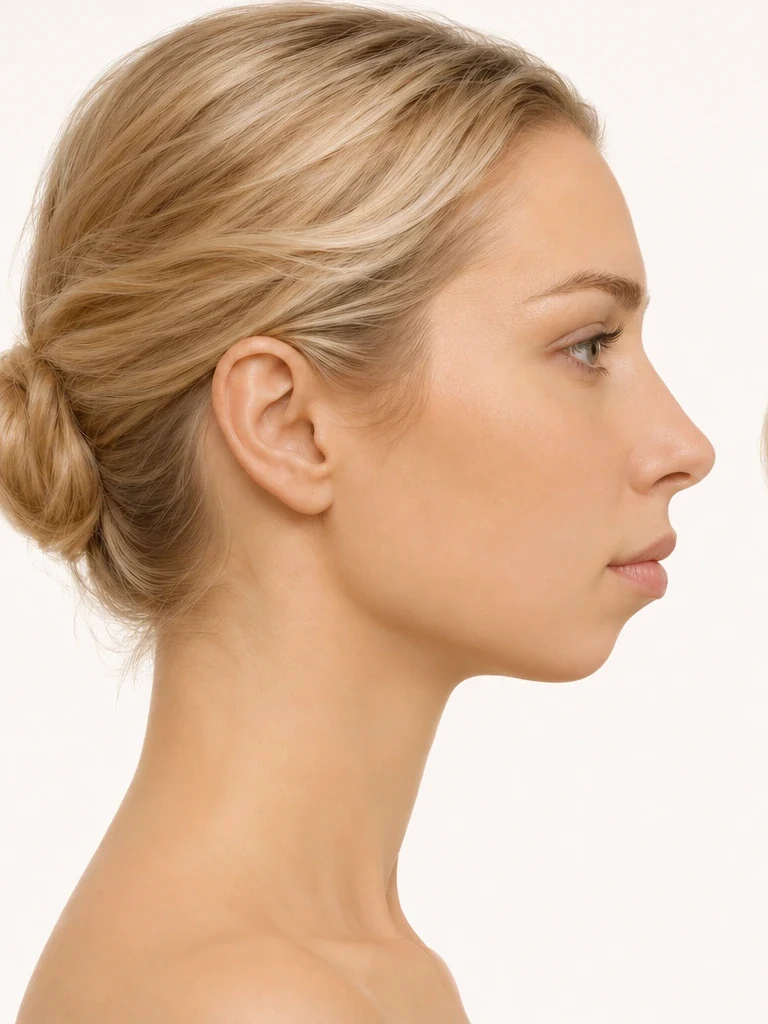
Explore treatment for a recessed, prominent or uneven chin. Learn how genioplasty differs from chin implants and jaw surgery in Dubai.
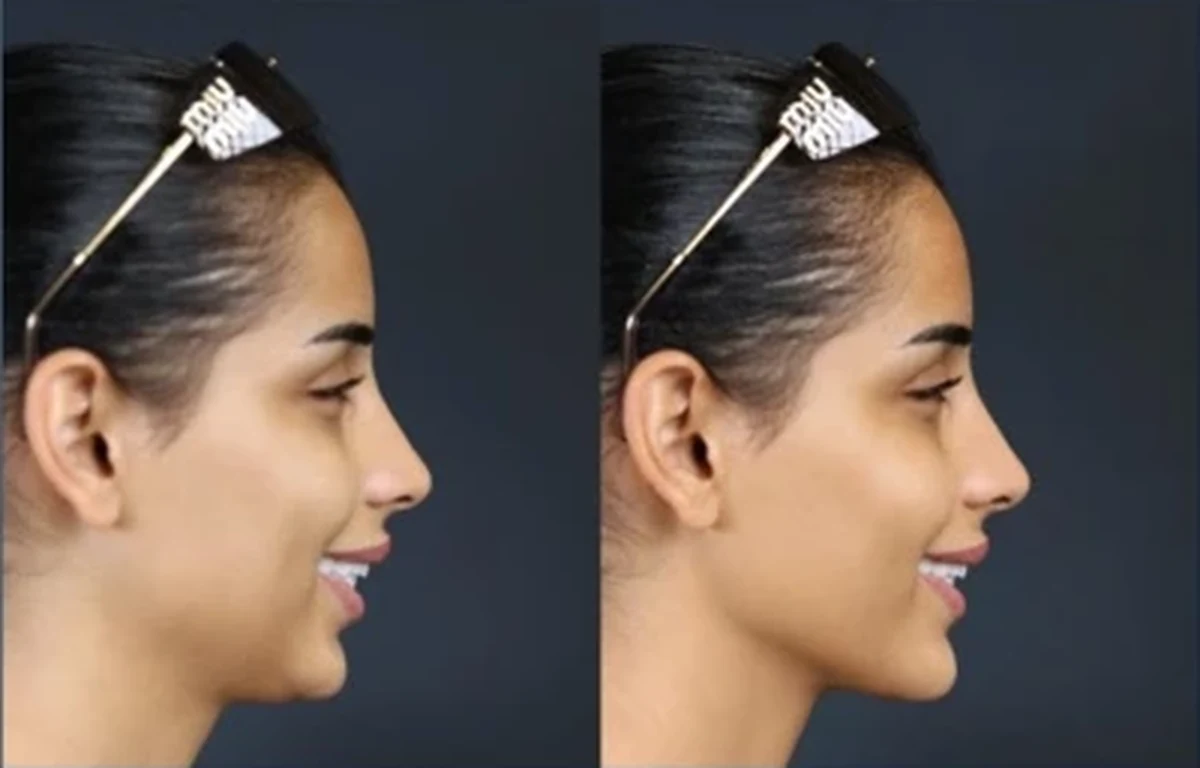
Double jaw surgery, also called bimaxillary surgery, repositions the upper and lower jaws in one operation. Each movement has a specific purpose in the plan.
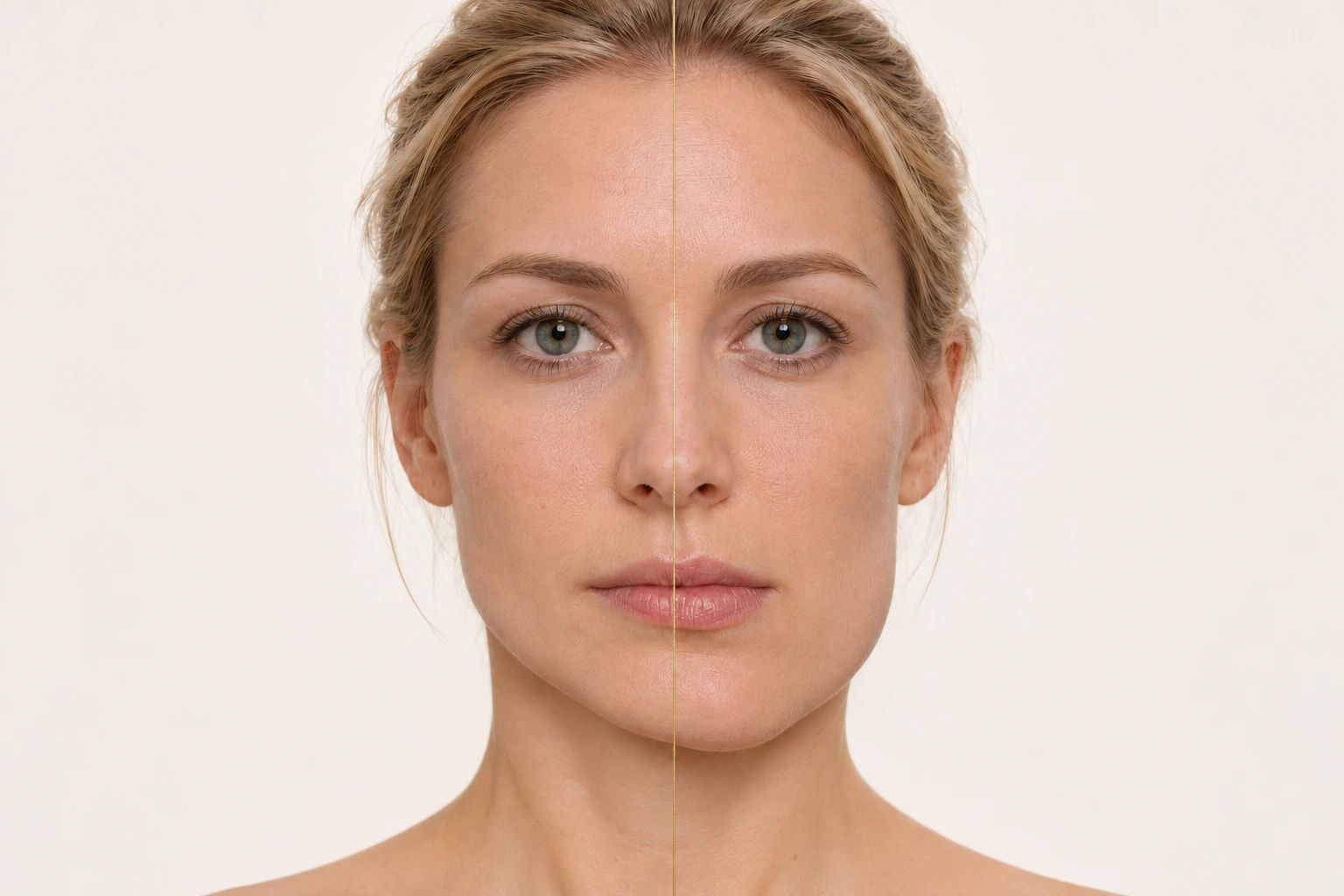
Assessment of an uneven face, off-centre chin or jaw asymmetry in Dubai. Understand the cause and appropriate correction options.
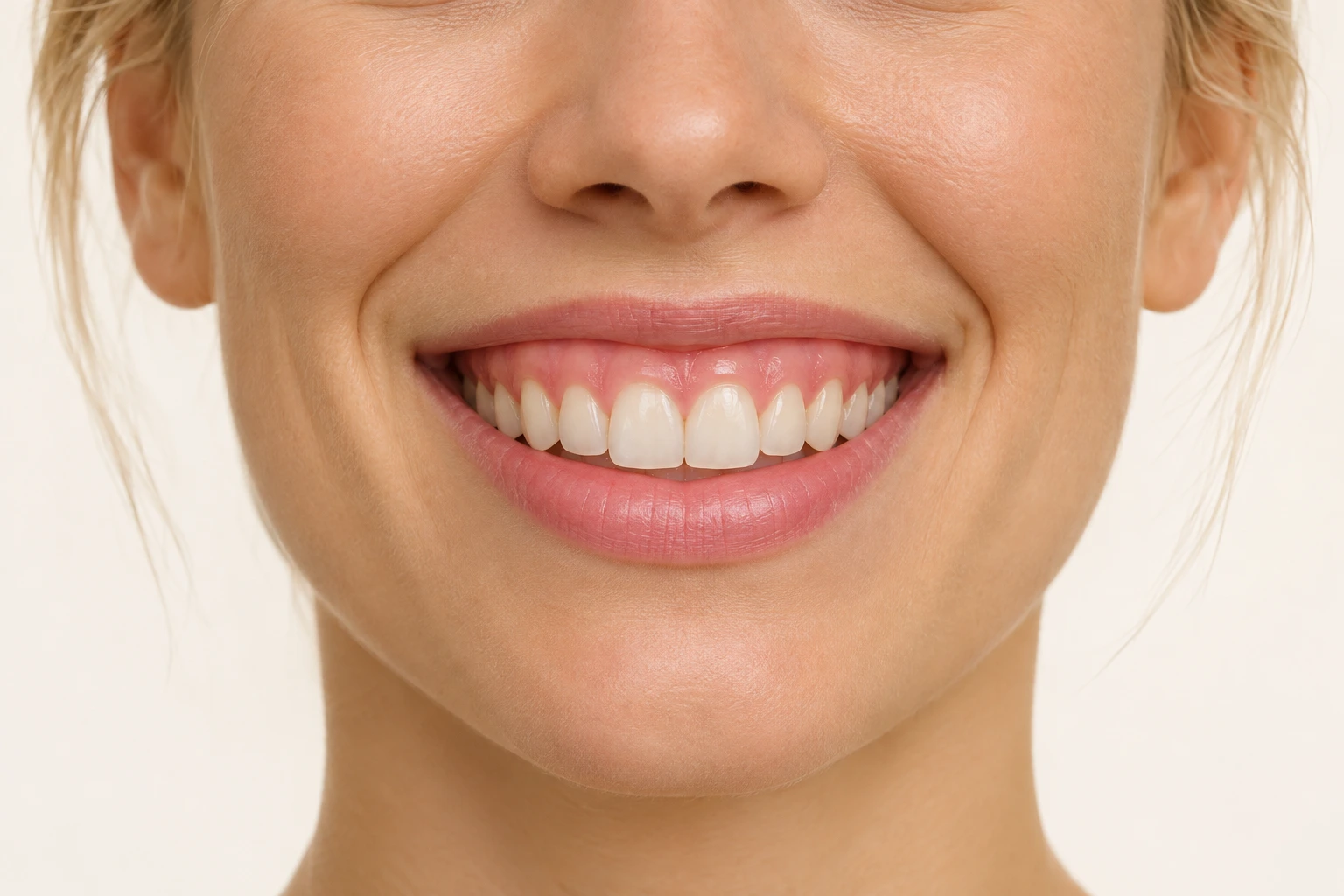
A gummy smile can come from the gums, teeth, lip or upper jaw. Understand the cause and appropriate treatment options in Dubai.
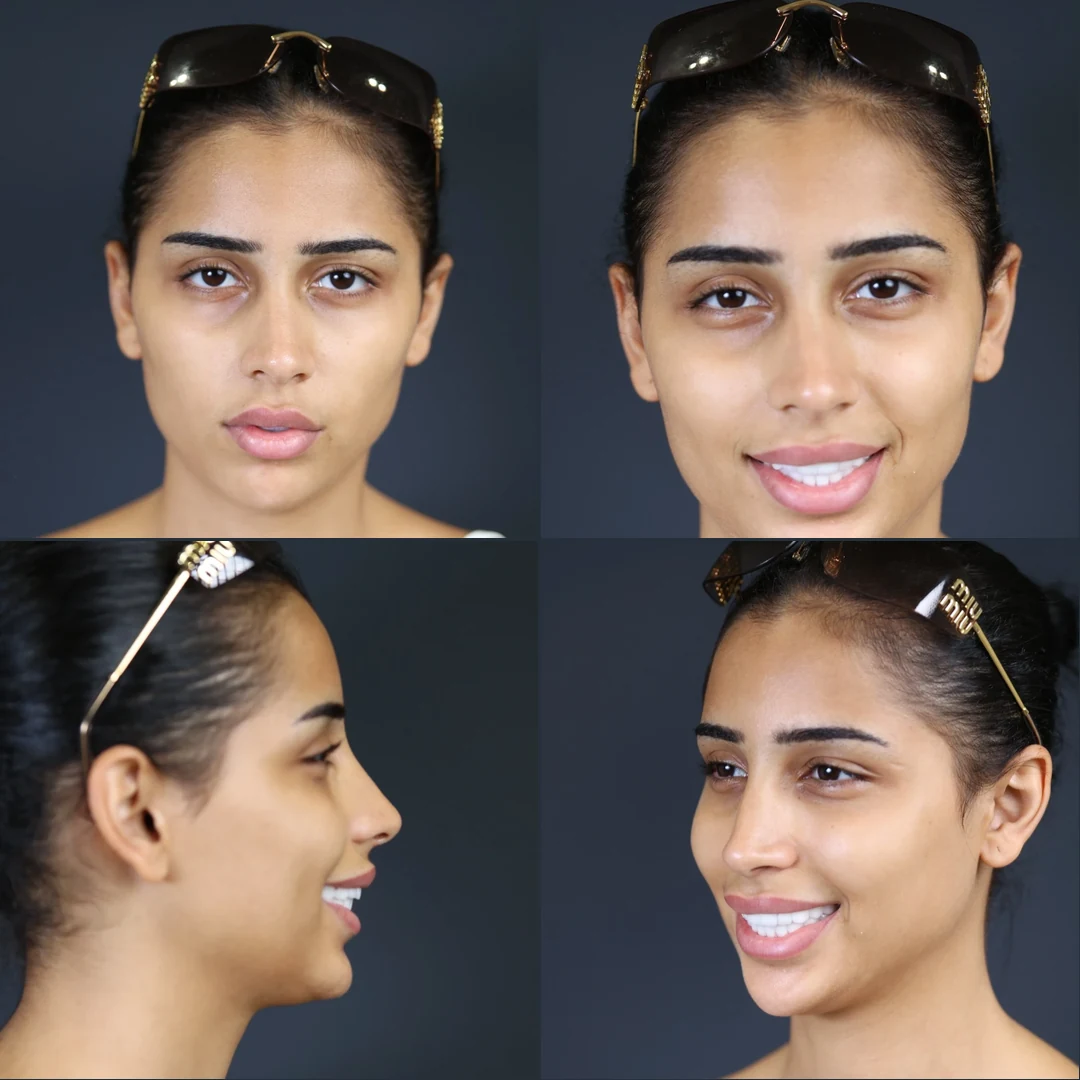
Recovery after orthognathic surgery depends on which procedures you had, your health and the instructions from your surgical team.
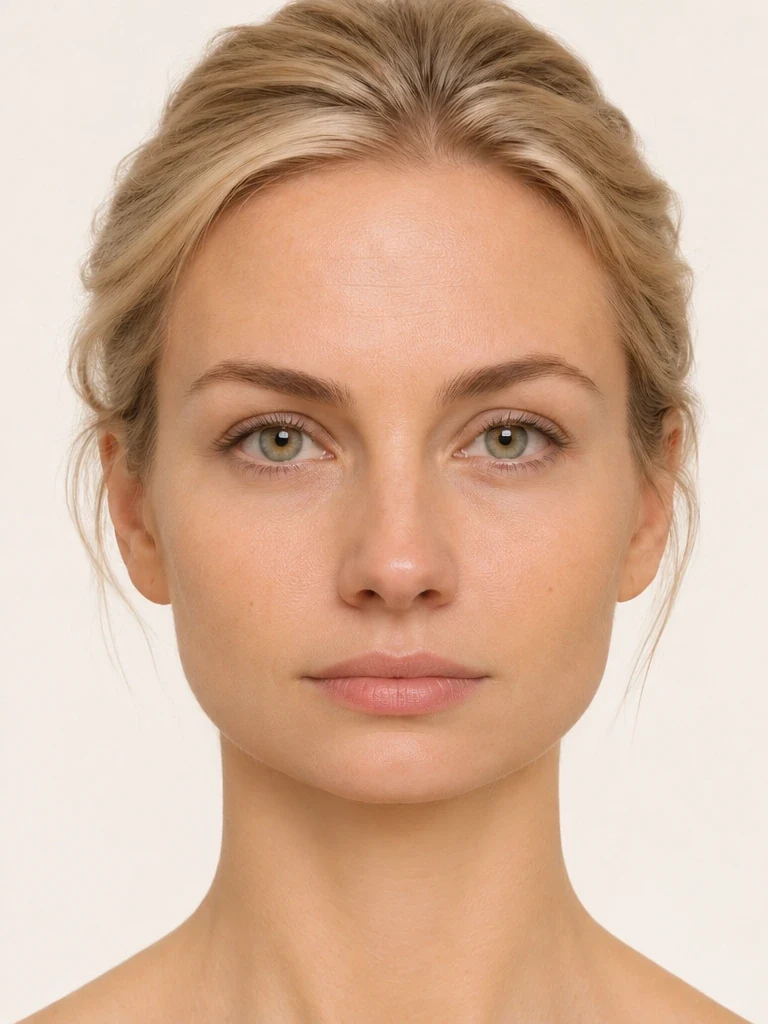
Understand long facial proportions and an open bite. Explore orthodontic and jaw surgery options through assessment in Dubai.
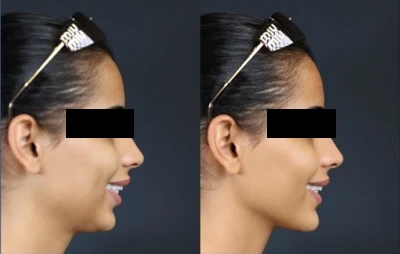
Lower jaw surgery repositions the mandible. A bilateral sagittal split osteotomy (BSSO) is one technique for moving its tooth-bearing part.
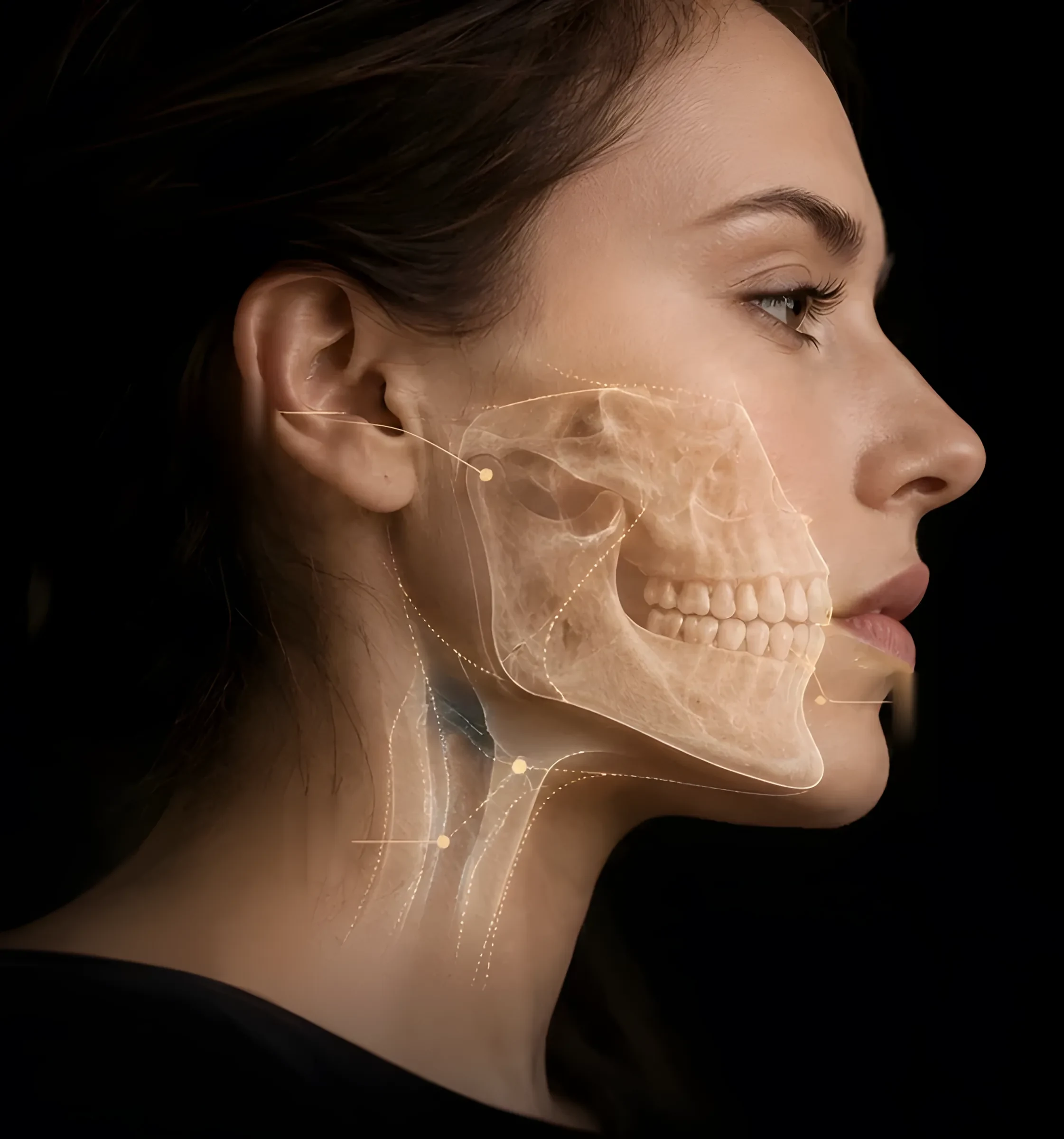
When orthodontics alone cannot address the position of the jaw bones, a combined surgical and orthodontic plan may be considered.
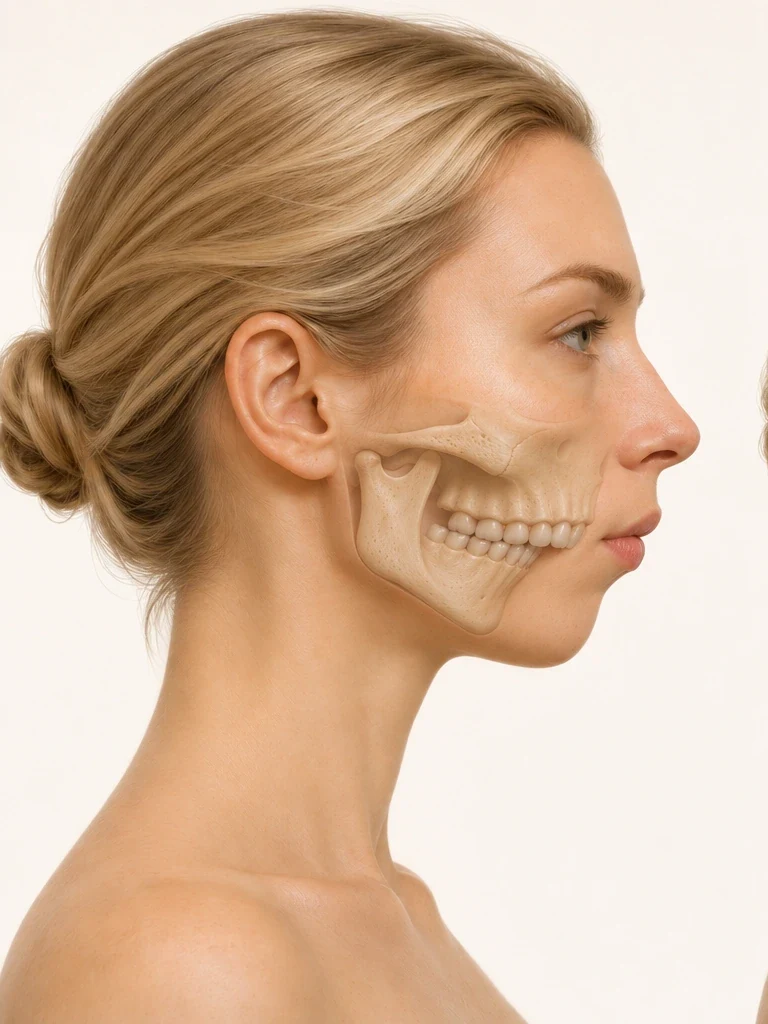
Understand overbite, overjet and a recessed lower jaw. Explore orthodontic and surgical options with Dr. Antoine Habib in Dubai.
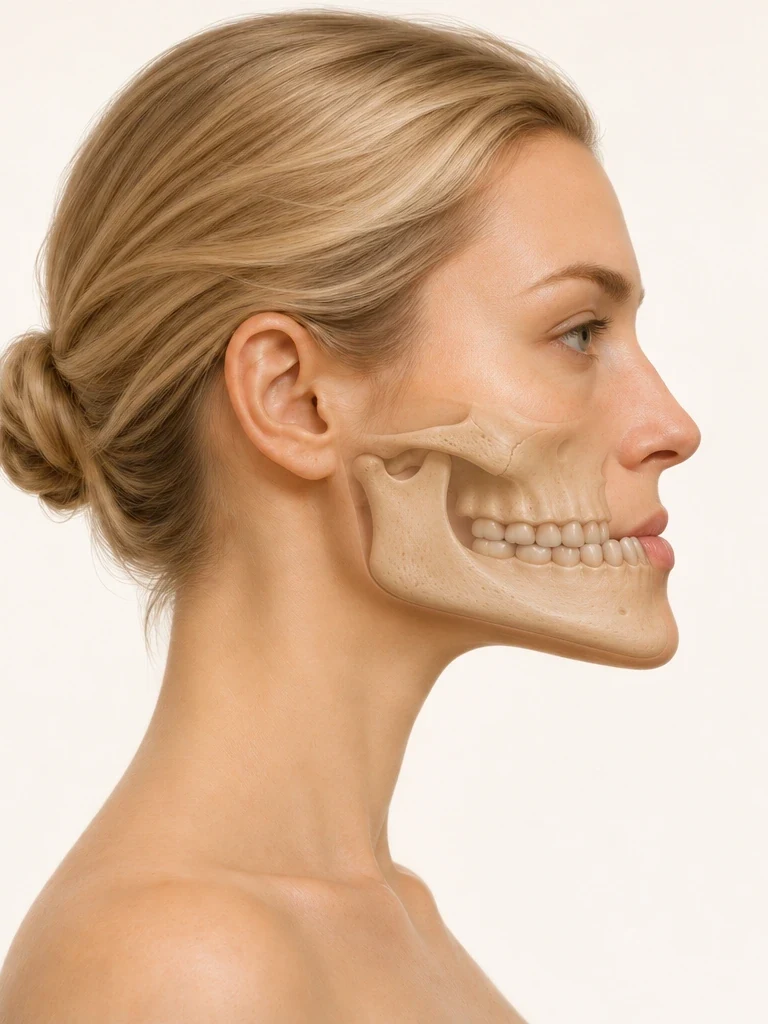
An underbite may involve the upper jaw, lower jaw or both. Understand diagnosis, braces and jaw surgery options with Dr. Antoine Habib in Dubai.
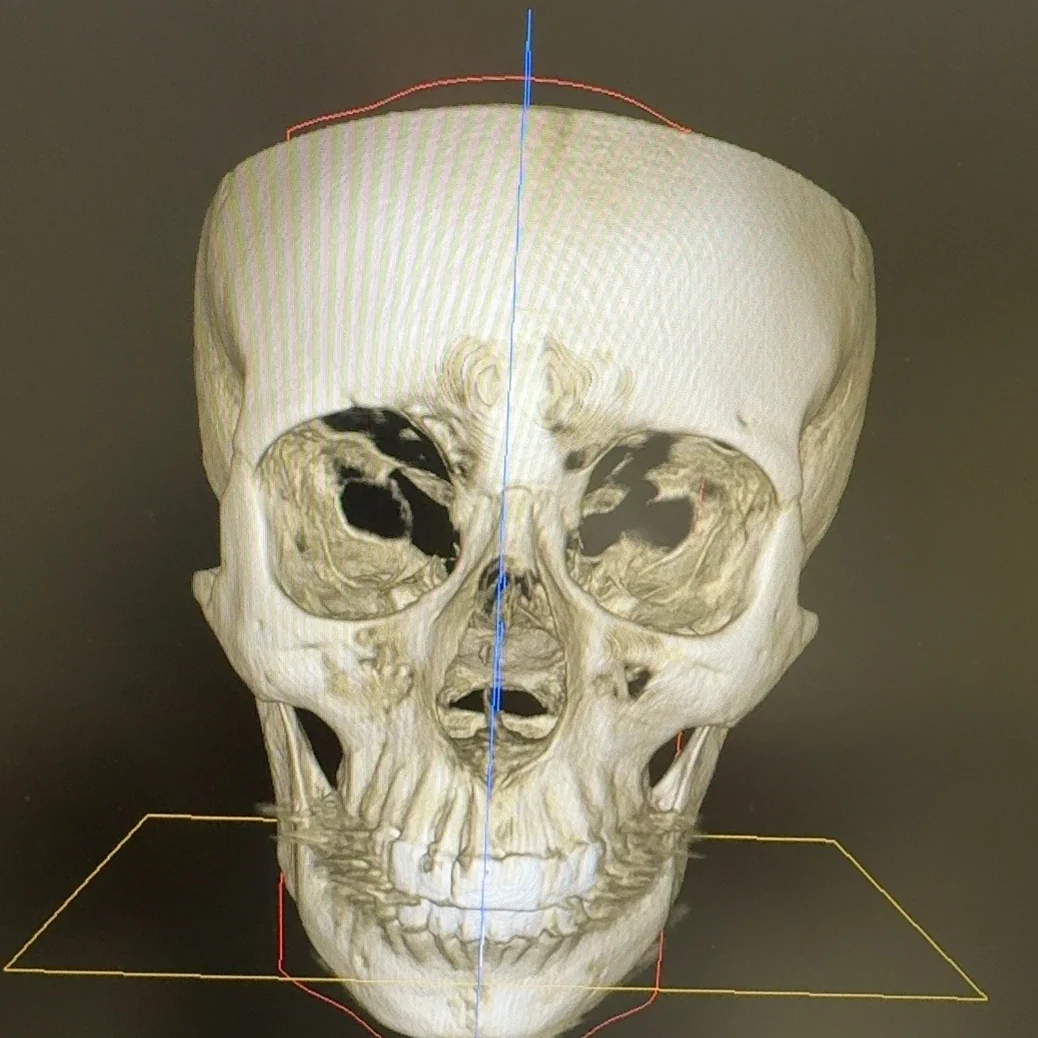
Upper jaw surgery repositions the maxilla, the bone supporting the upper teeth. Le Fort I osteotomy is one way to make this correction.
TMJ & Orofacial Pain
Diagnosis-led care, including arthroscopy and surgery when indicated.
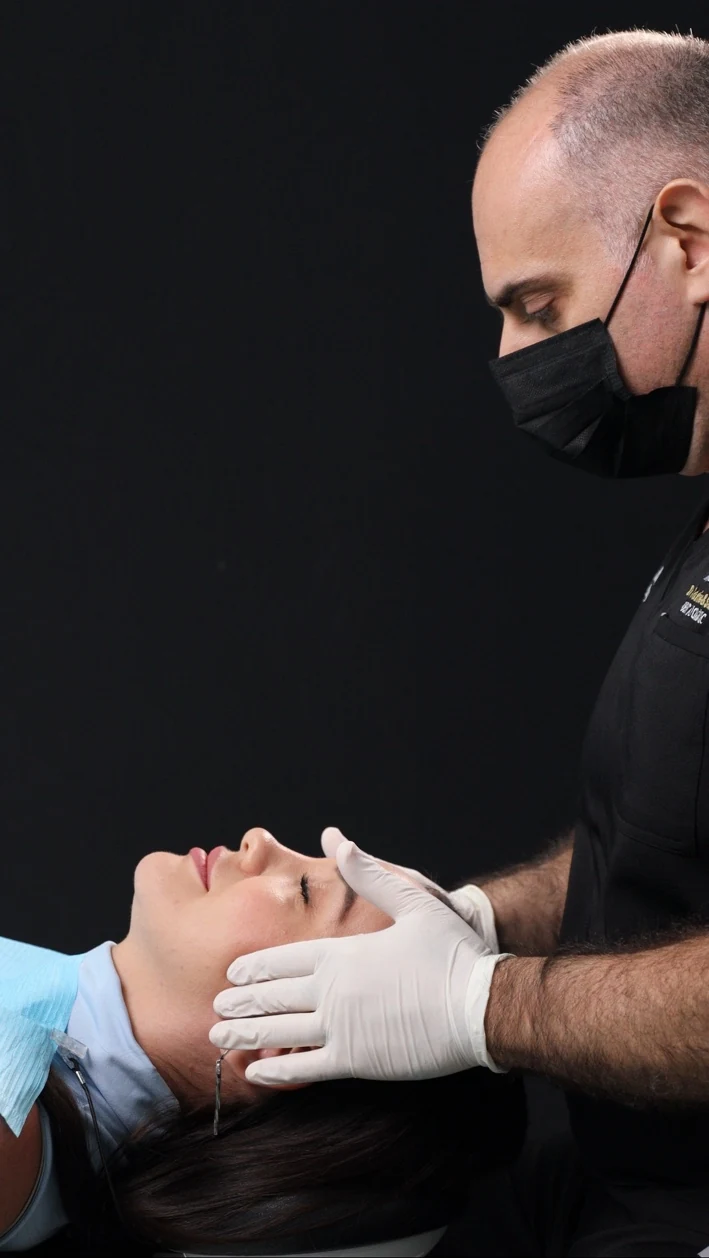
Botulinum toxin reduces activity in injected chewing muscles. Its role depends on whether pain comes from those muscles and what other treatment has been tried.
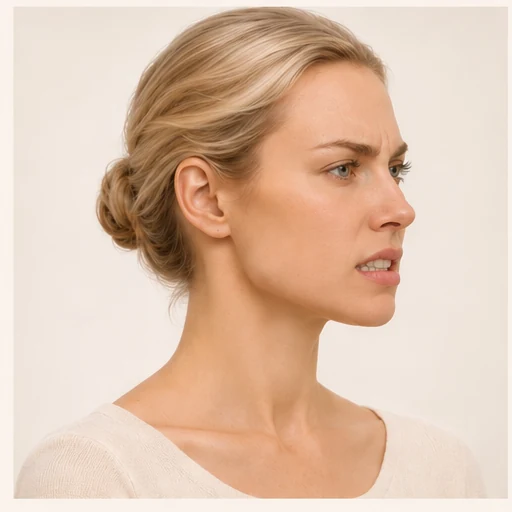
Daytime clenching and sleep grinding can feel similar in the morning but may need different approaches.
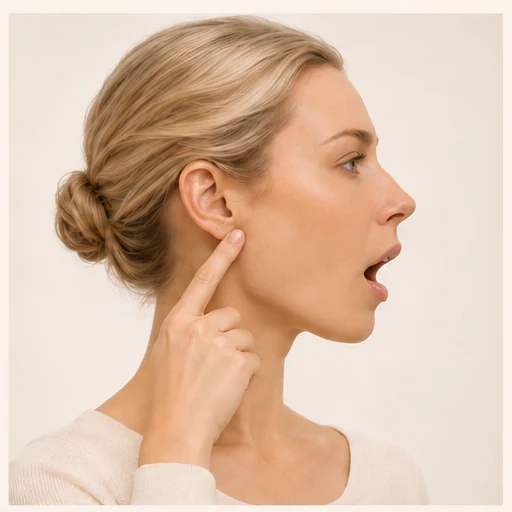
A click when you chew or open your mouth is common. Pain, locking and loss of movement matter more when deciding whether to treat it.

A jaw that cannot open fully and a jaw stuck open need different assessments. Tell us which movement you cannot make and when it started.
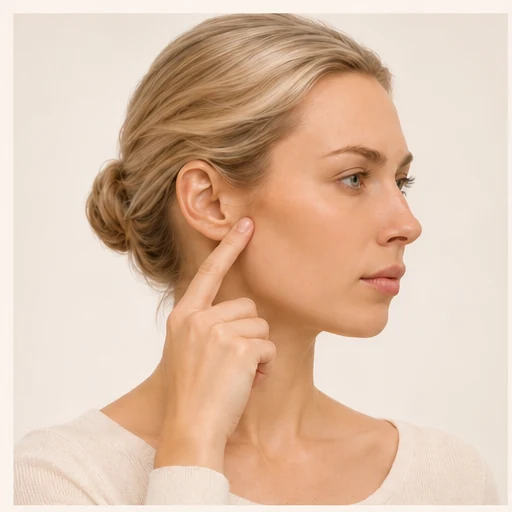
Pain just in front of the ear can come from the jaw joint, the chewing muscles, a tooth or the ear itself.
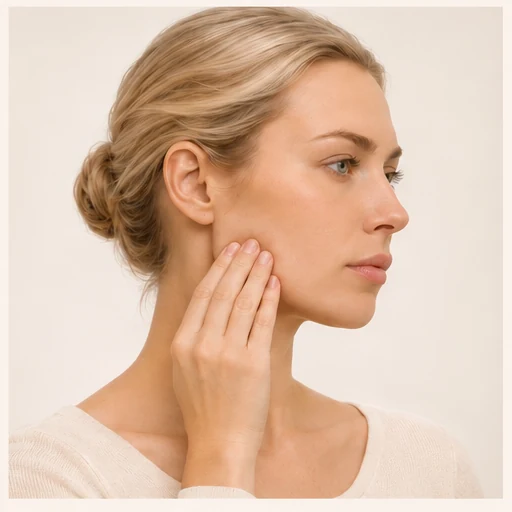
Facial pain can come from teeth, joints, muscles, nerves or headache disorders. The pattern of the pain helps guide the examination.
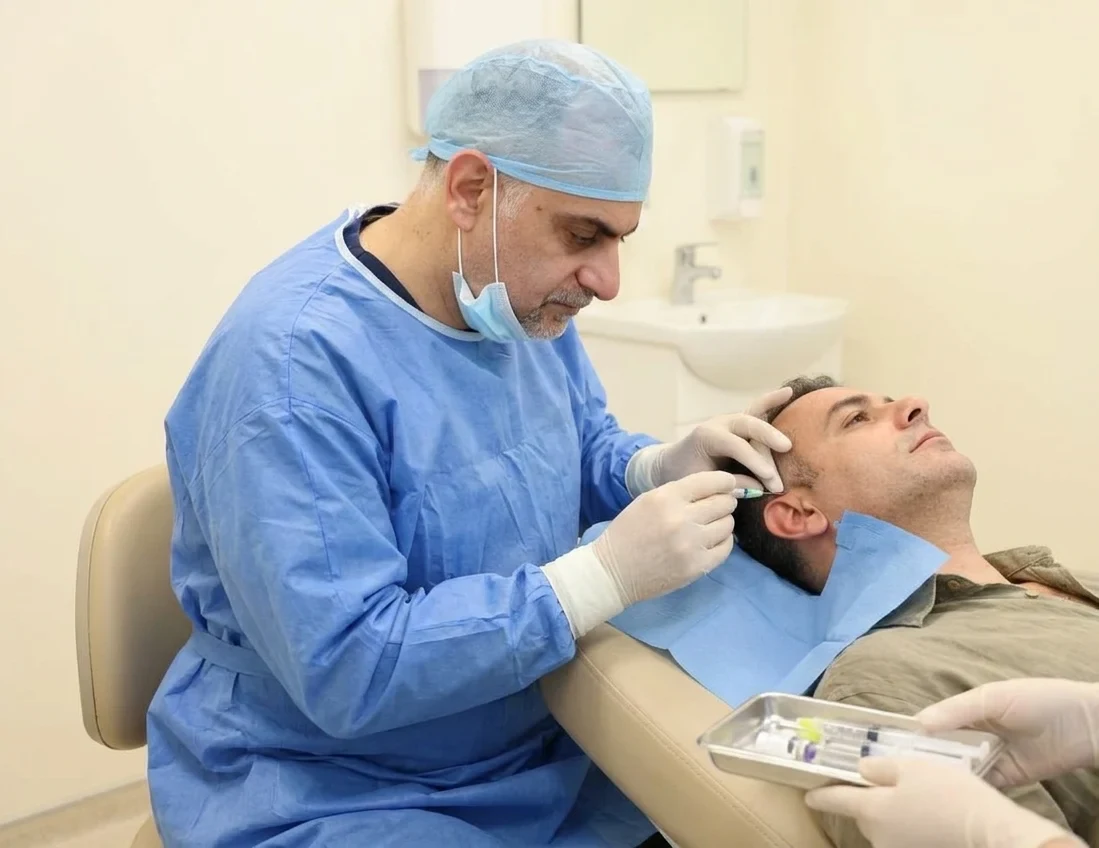
Arthrocentesis uses needles to wash the jaw joint. It may be discussed for selected patients with a diagnosed joint problem, pain and restricted function.
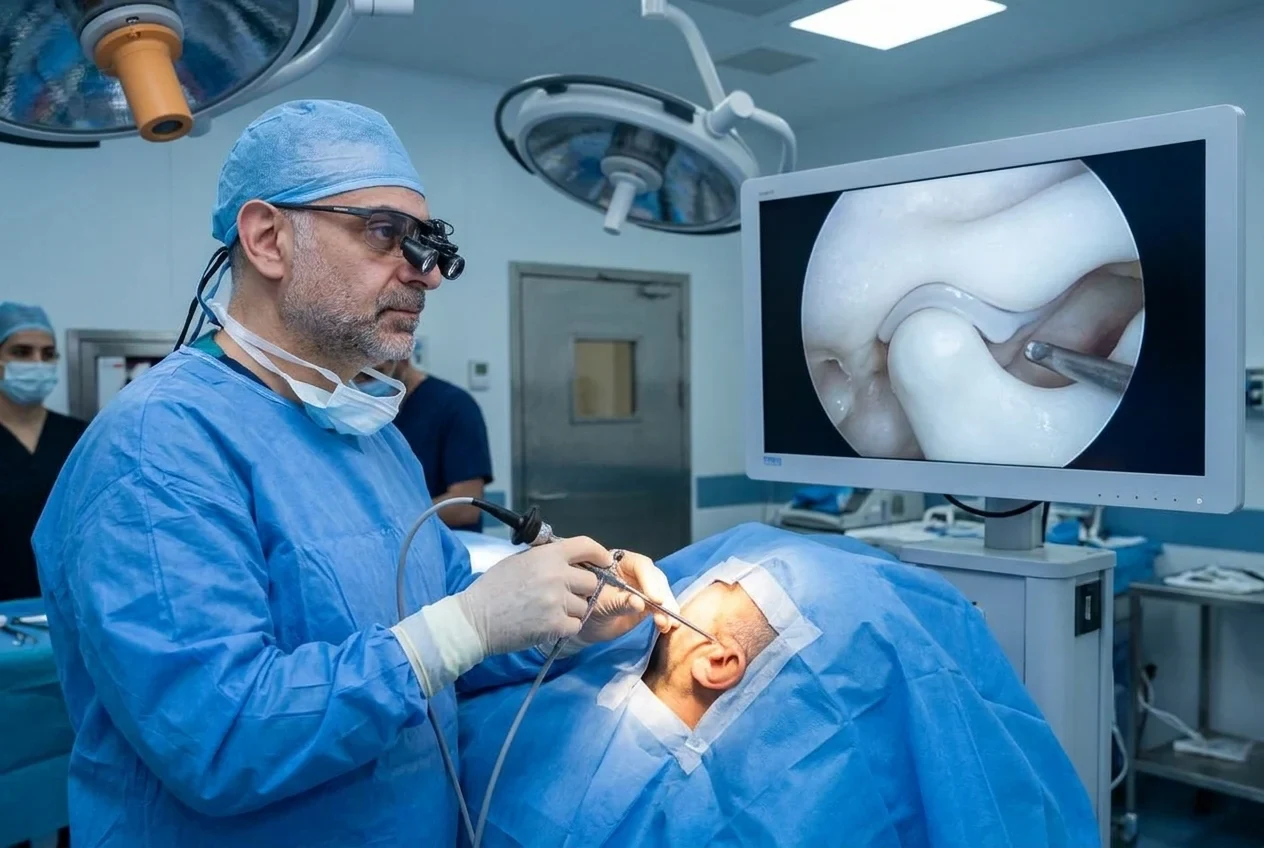
TMJ arthroscopy uses a small camera to assess the inside of the joint. The surgeon may also carry out selected treatment during the same procedure.

A TMJ assessment aims to identify the source of pain or restricted movement and how it affects daily life.
Many jaw muscle and joint symptoms can be managed with reversible care matched to the diagnosis.
A night guard can protect teeth from grinding damage. A splint prescribed during TMJ care should have a clear goal and a review plan.
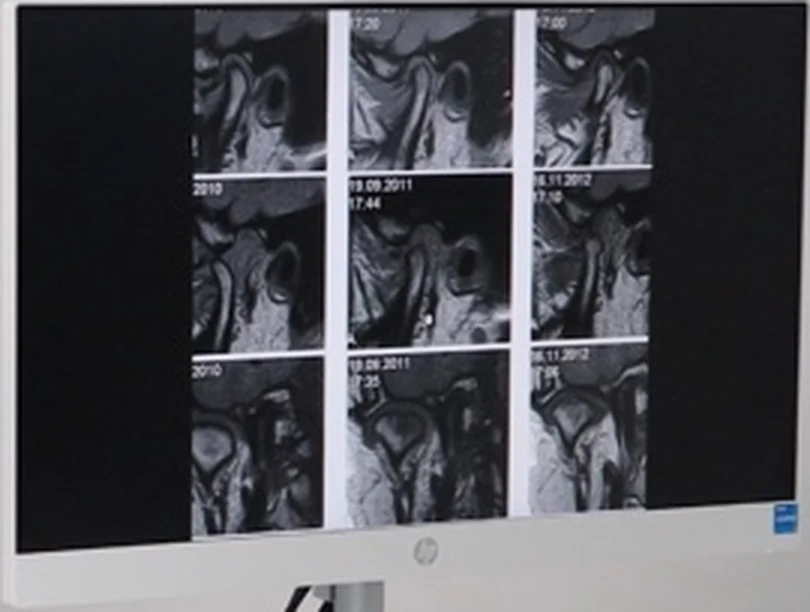
Surgery is considered for selected jaw joint conditions. The decision depends on the diagnosis, symptoms, loss of function and previous care.
Oral Surgery
Complex wisdom teeth, jaw cysts and other oral surgical conditions.
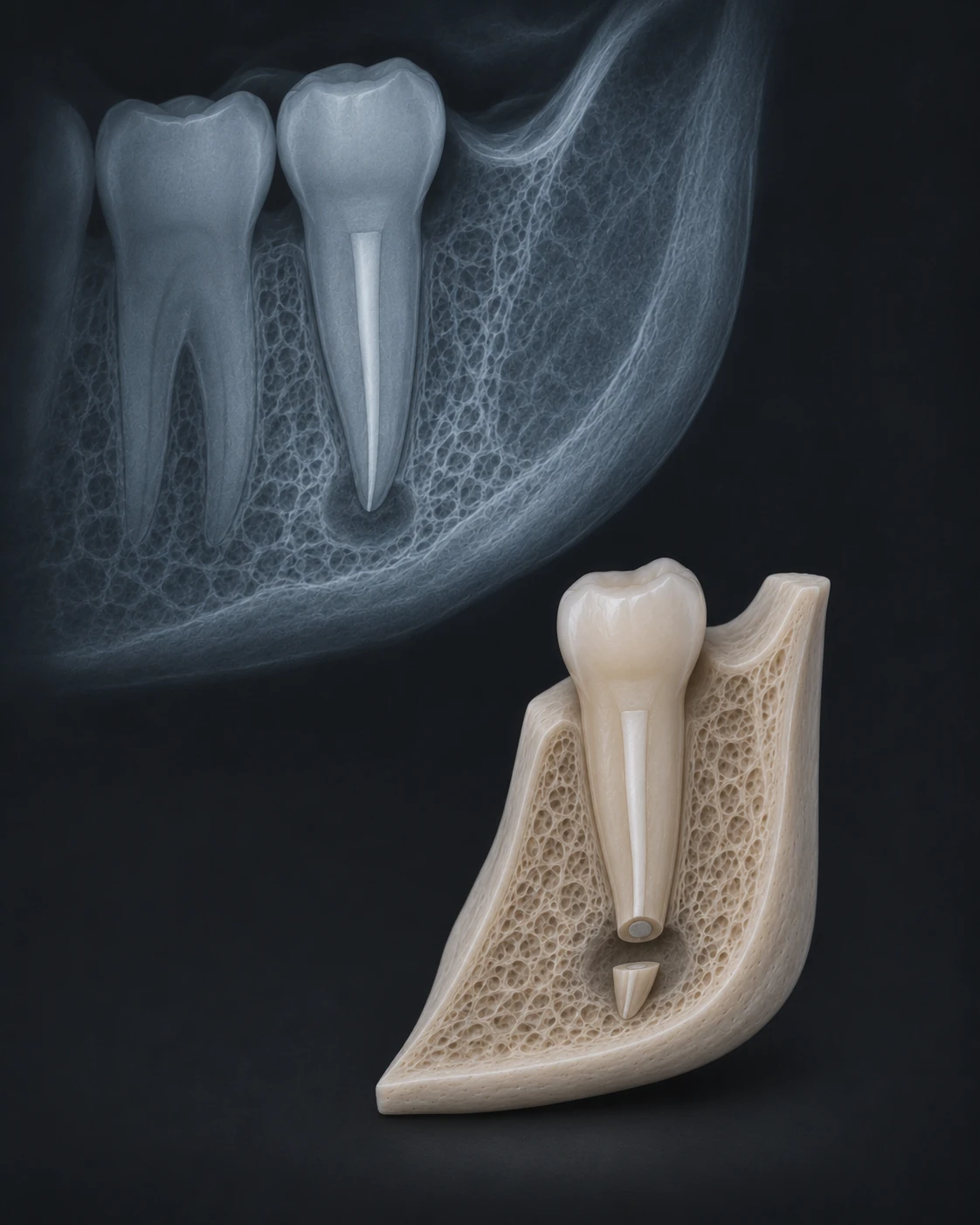
Apicoectomy is surgery at the tip of a tooth root. It may be considered when disease persists around a root-treated tooth that can still be restored.
Coronectomy removes the crown of a selected lower wisdom tooth while leaving its roots where they are, usually when full removal carries a higher nerve risk.
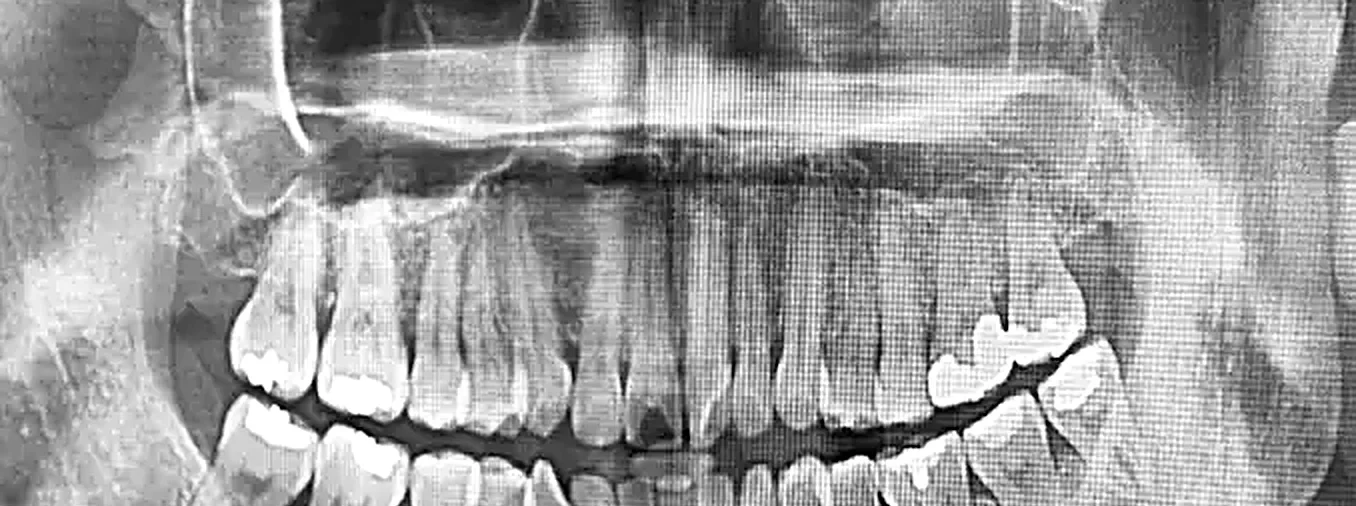
A dentigerous cyst forms around the crown of an unerupted tooth. A similar-looking area on an X-ray can have other explanations, so imaging and pathology have complementary roles.
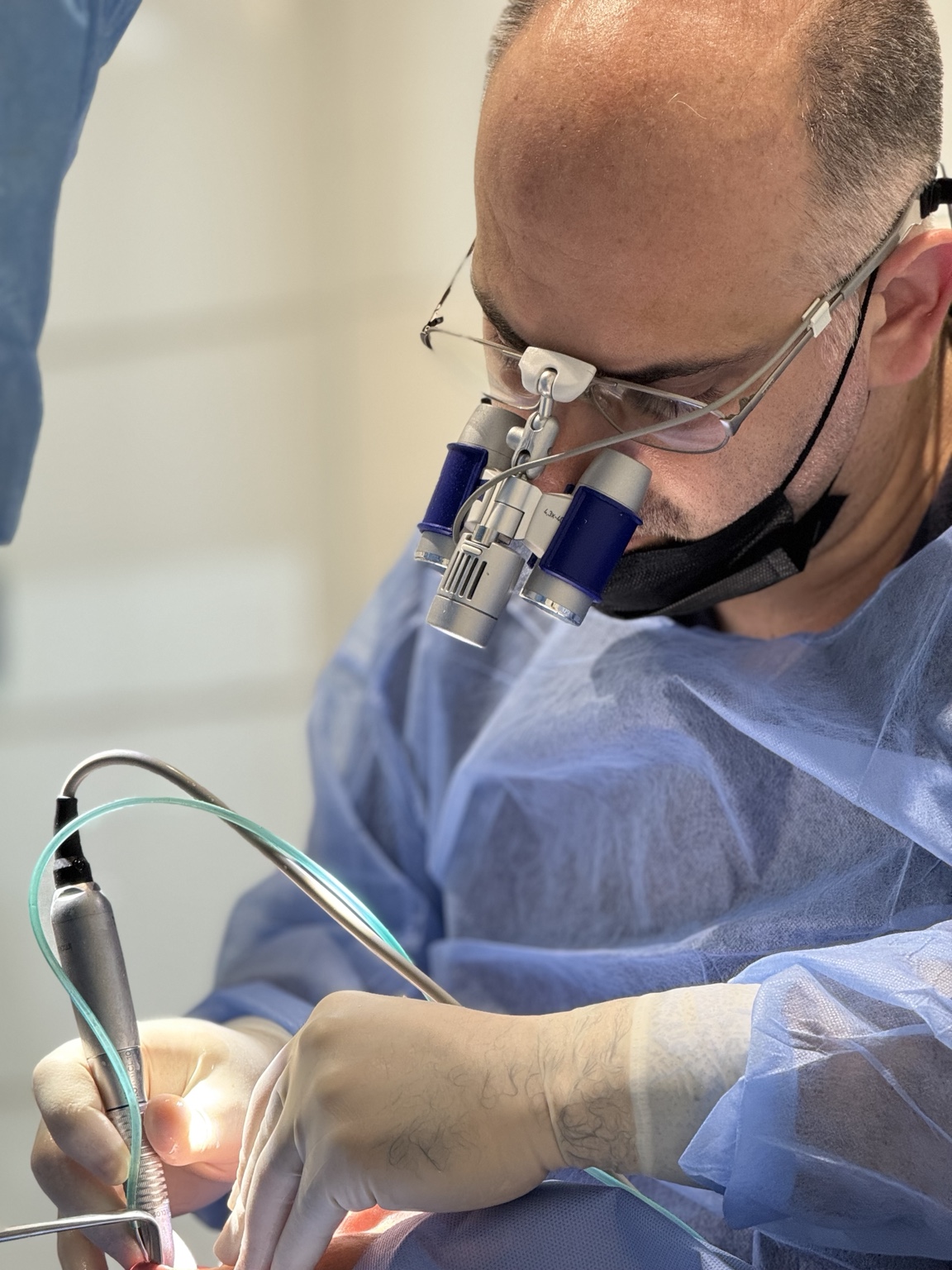
Dry socket is one possible cause of increasing pain a few days after an extraction. The pattern of symptoms matters more than the colour of the socket.

An impacted canine is a tooth that has not erupted into its expected position. The surgeon and orthodontist decide together whether it can be guided into the arch.
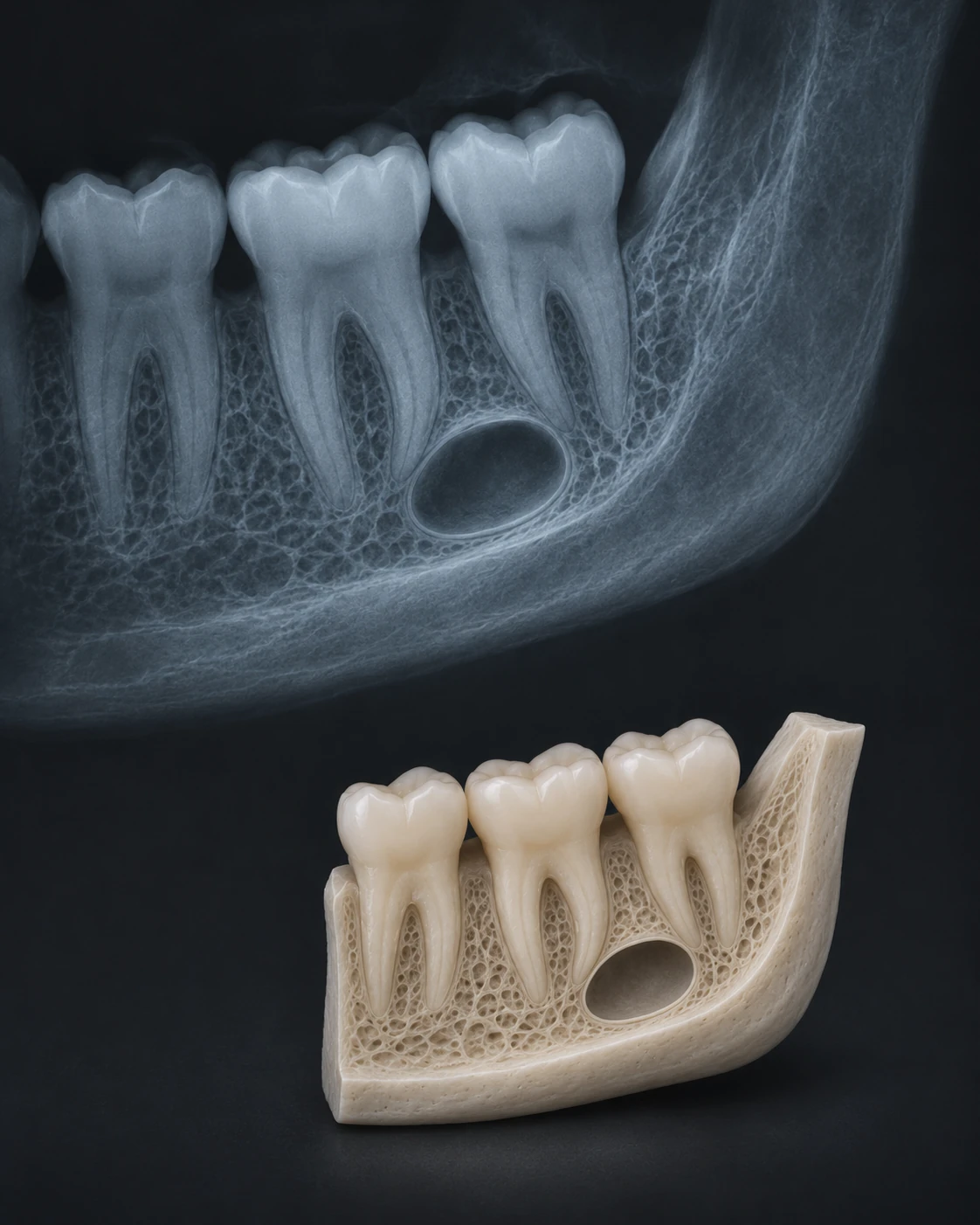
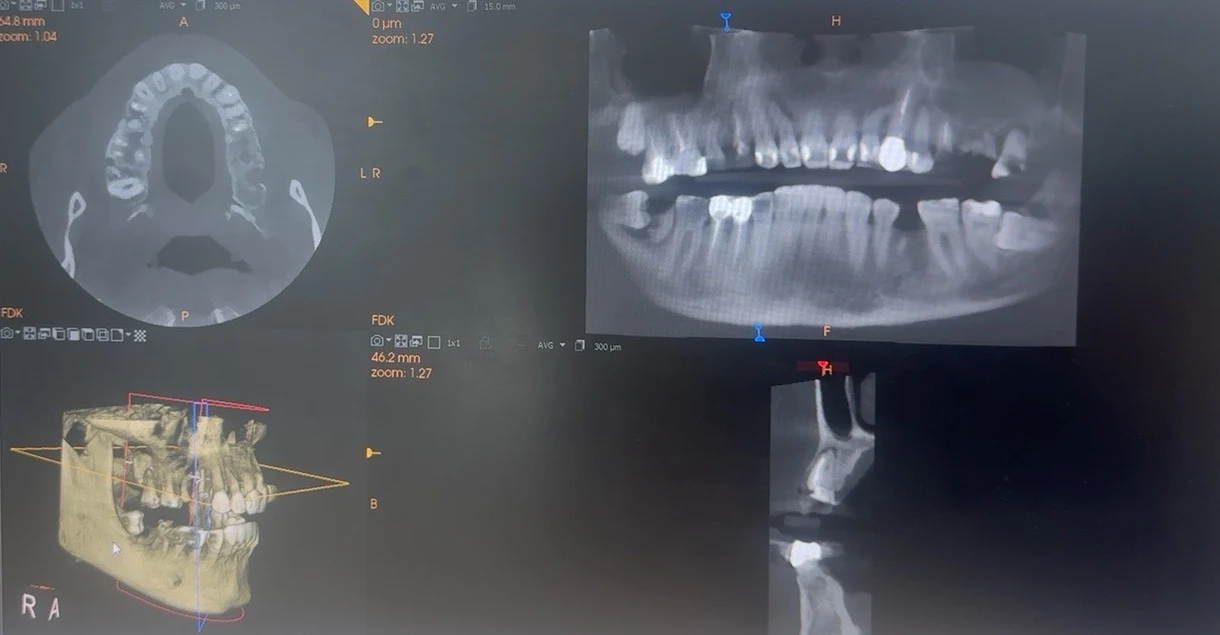
A jaw cyst may be discovered on an X-ray or investigated because of swelling or tooth symptoms. Imaging helps define the area, and tissue examination may be needed to establish the diagnosis.
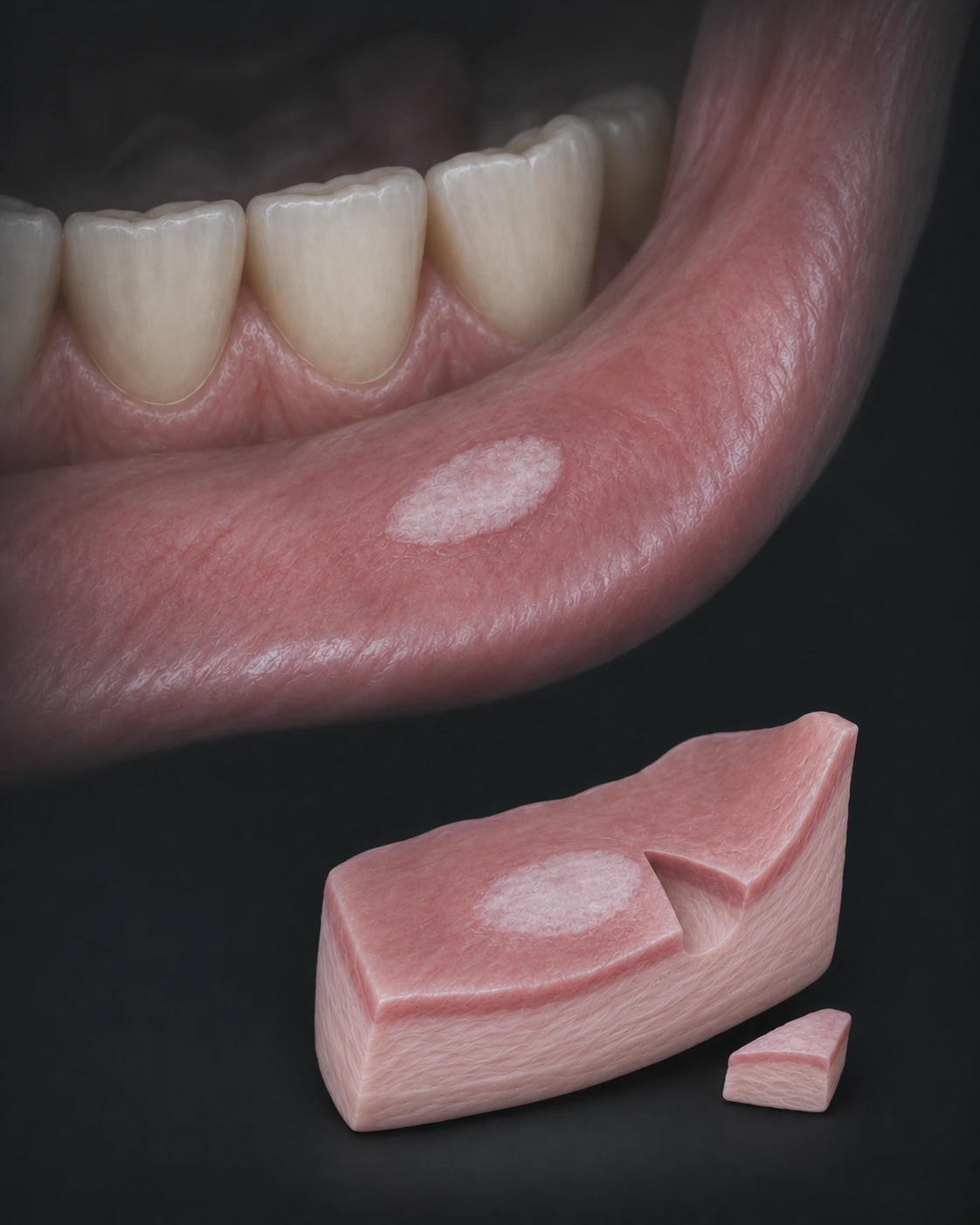
A persistent ulcer, lump or unusual patch inside the mouth deserves an examination. A biopsy can help clarify the diagnosis when the appearance alone is insufficient.
A sore caused by a minor injury can heal as the irritation settles. If an ulcer persists, changes or keeps returning, note when it began and arrange assessment as appropriate.
An itemised estimate should show the assessment, the planned procedure and any additional costs. A simple extraction, retained root removal and impacted wisdom tooth surgery can involve different work.
The socket needs time to heal. Your written instructions take account of how the tooth was removed, any stitches and your medical history.
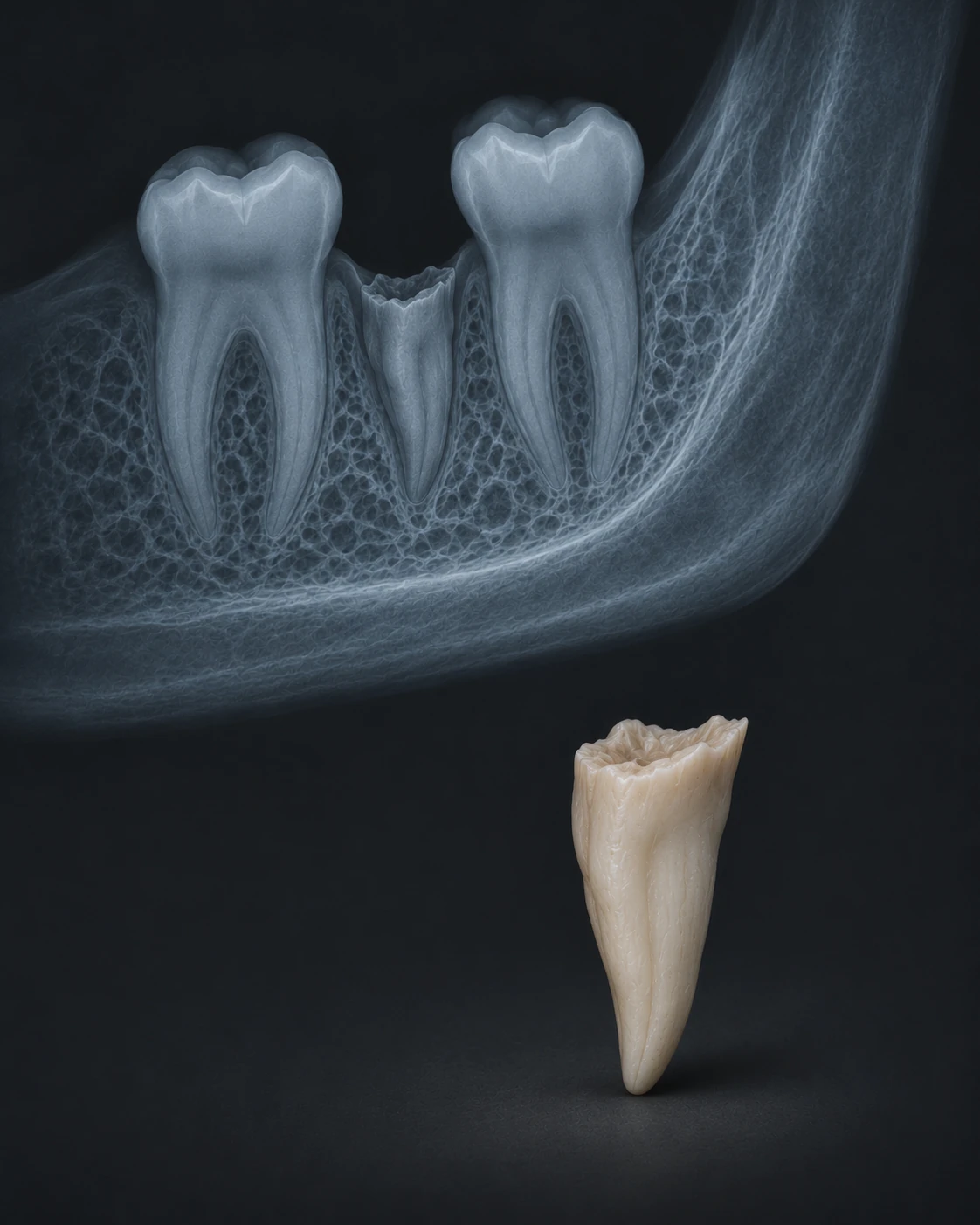
A badly broken tooth or a root left below the gum may need a different approach from a tooth that can be grasped easily. We first check whether the tooth can be saved and whether removal is necessary.
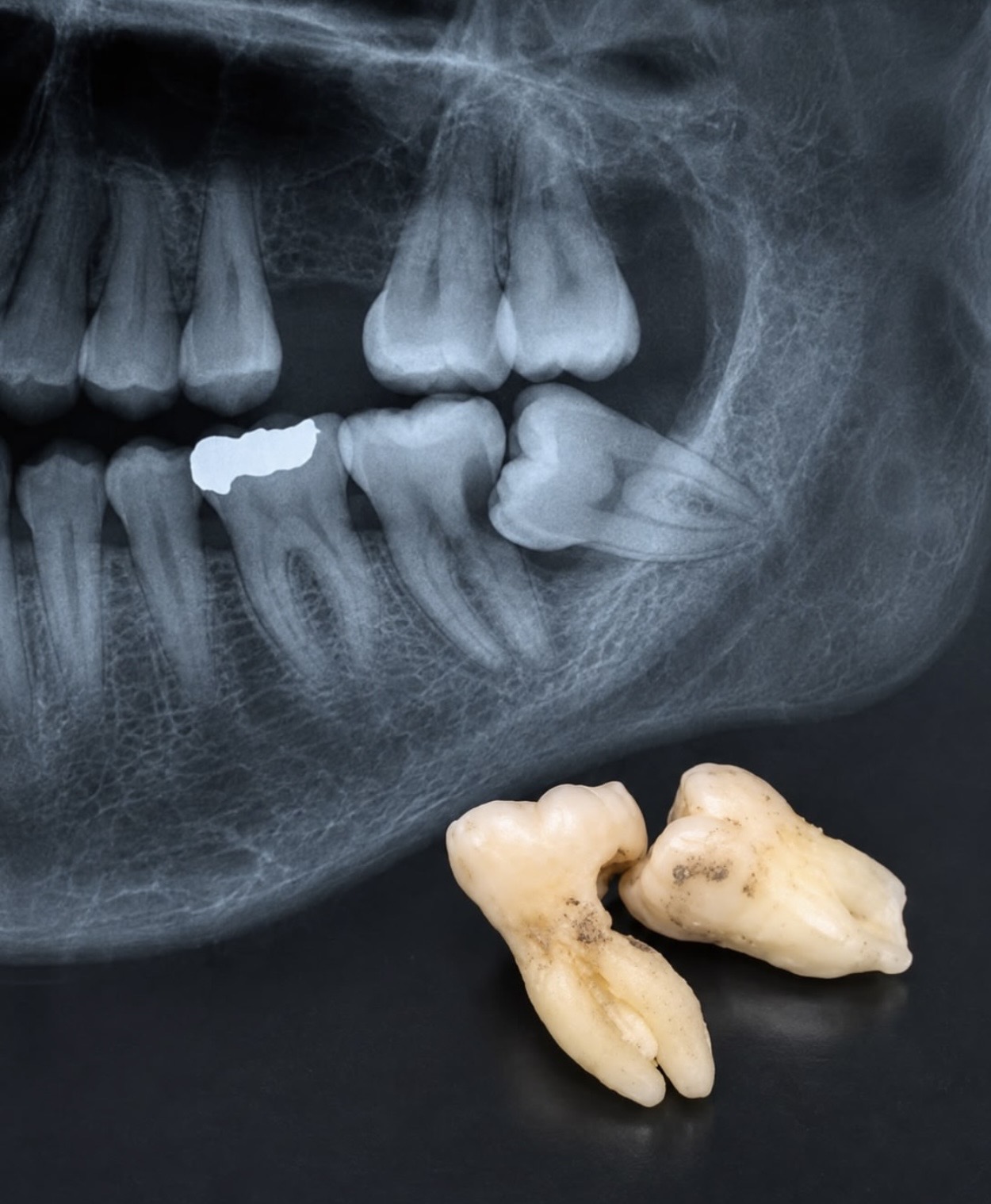
An impacted wisdom tooth may cause pain, swelling around the gum or damage to the tooth in front. An assessment helps decide whether removal, monitoring or another option is appropriate.
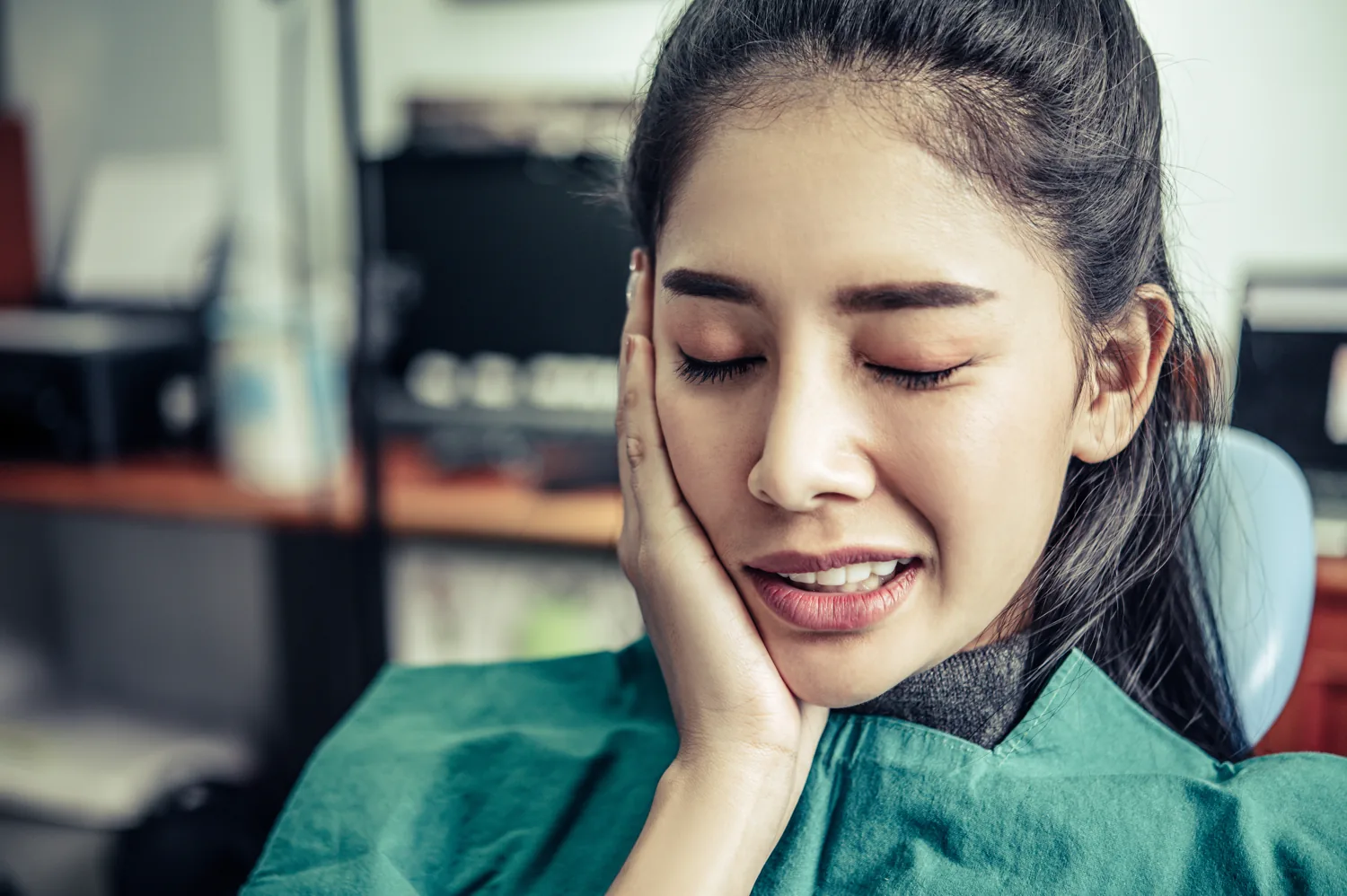
Swelling or tenderness around a partially erupted wisdom tooth may come from inflammation around the gum. Other problems, including decay in the tooth in front, can also cause pain in this area.
Bone Reconstruction & Complex Implants
Bone grafting, complex implant surgery and revision procedures.
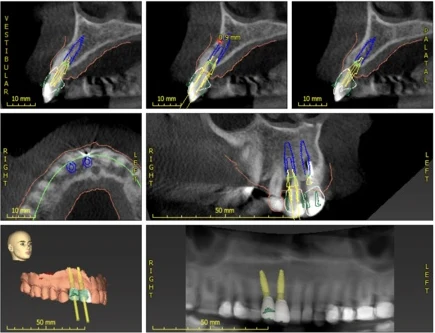
Digital planning starts with the desired replacement tooth and checks whether the jaw can support it in that position.
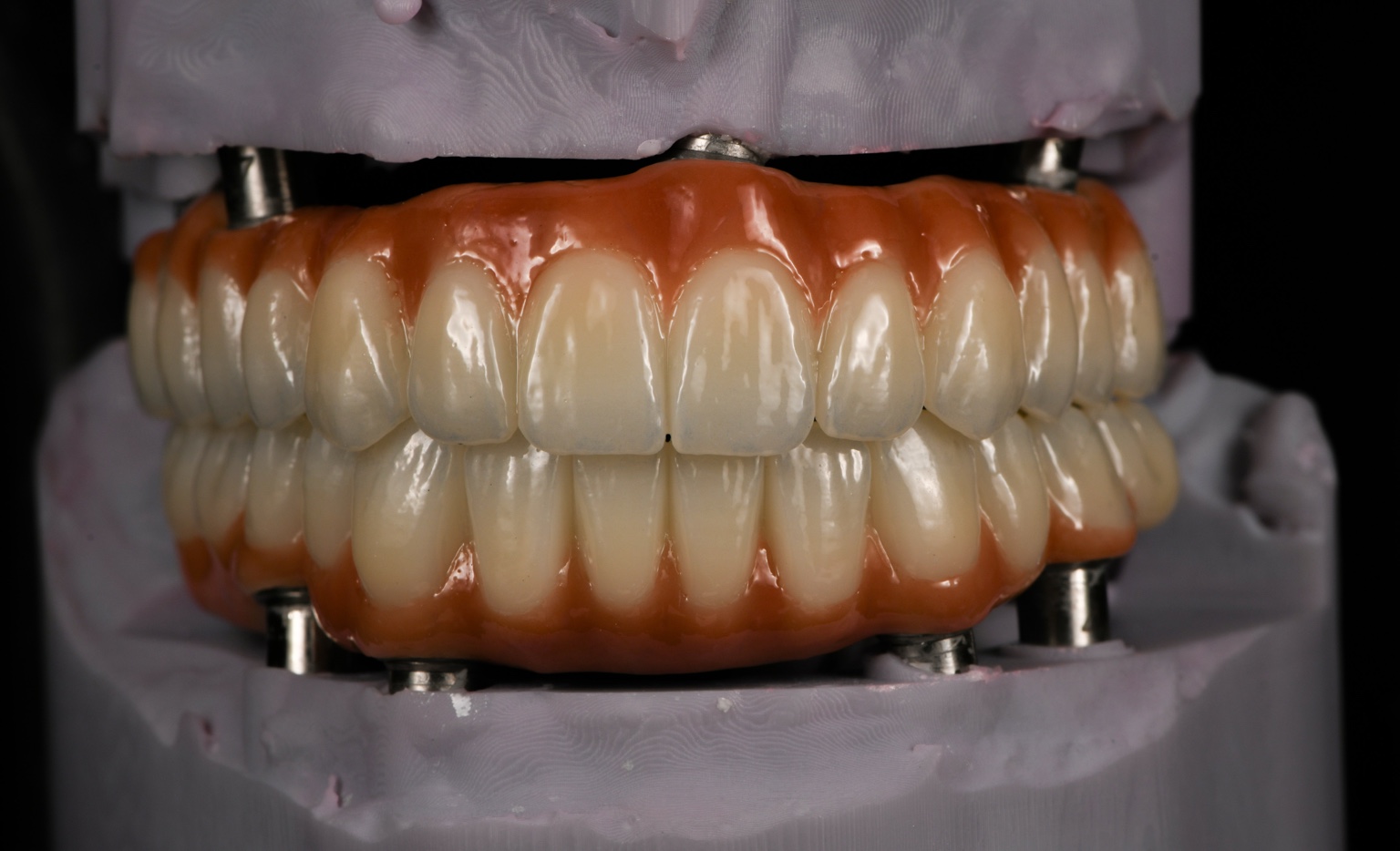
Four or six implants can support a full-arch bridge in selected cases. The plan depends on where the supports can go and how they work together.
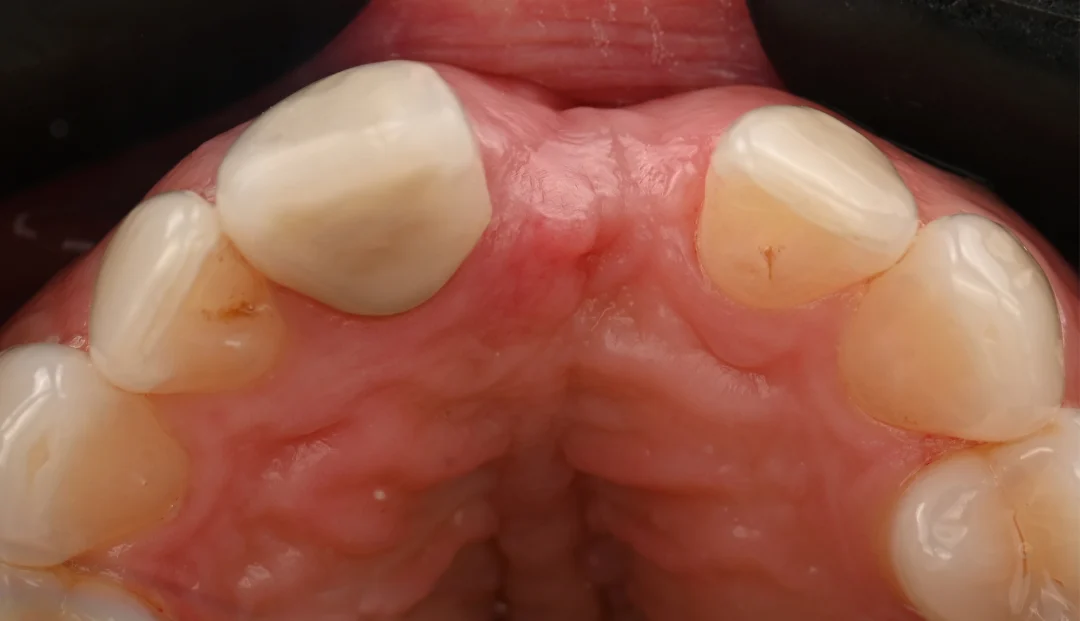
A bone graft can rebuild part of the ridge so that the planned implant has support in the position needed for the final tooth.
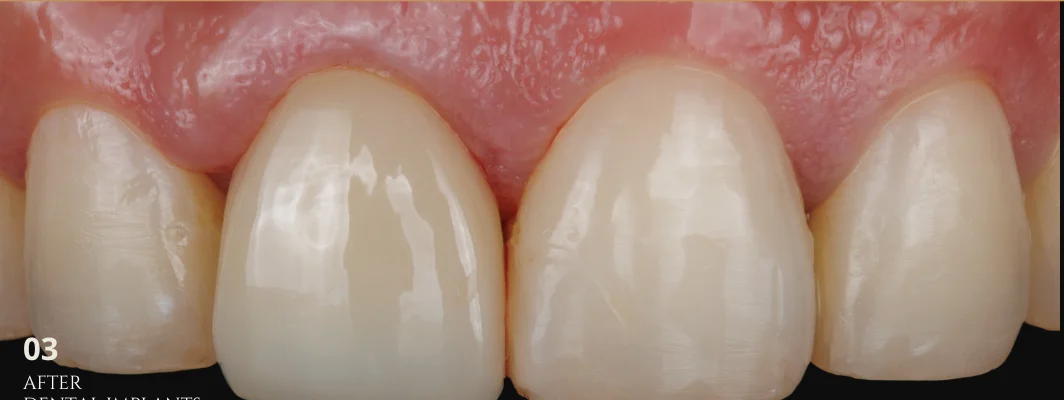
A useful estimate shows which parts of treatment are included, from assessment and surgery through the final teeth and follow-up.
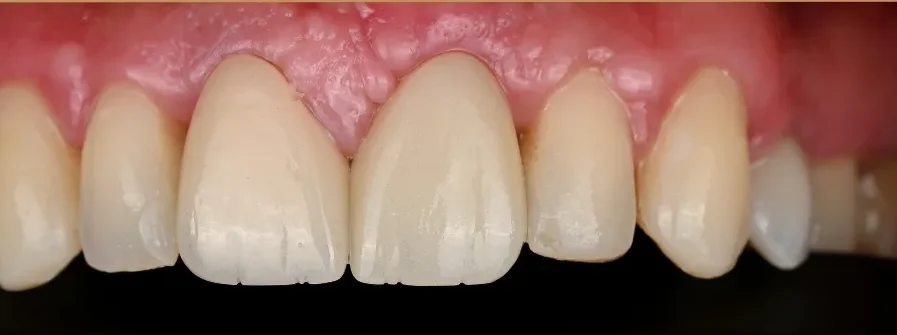
Early healing is about comfort and wound care. Later visits assess implant integration and readiness for the final teeth.
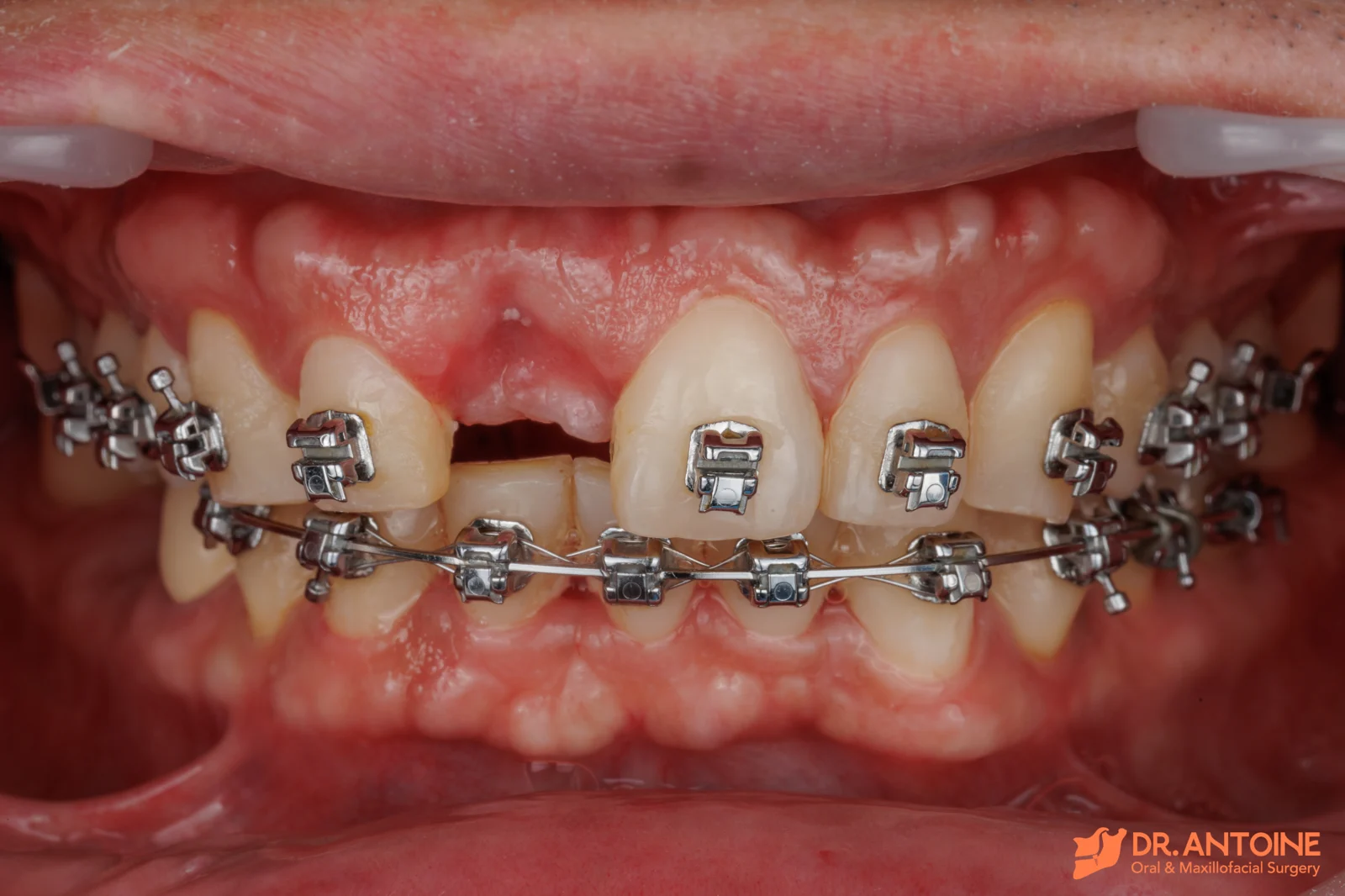
Pain, swelling or movement around an implant needs an assessment. A loose crown or screw can feel like a loose implant, but the treatment is different.
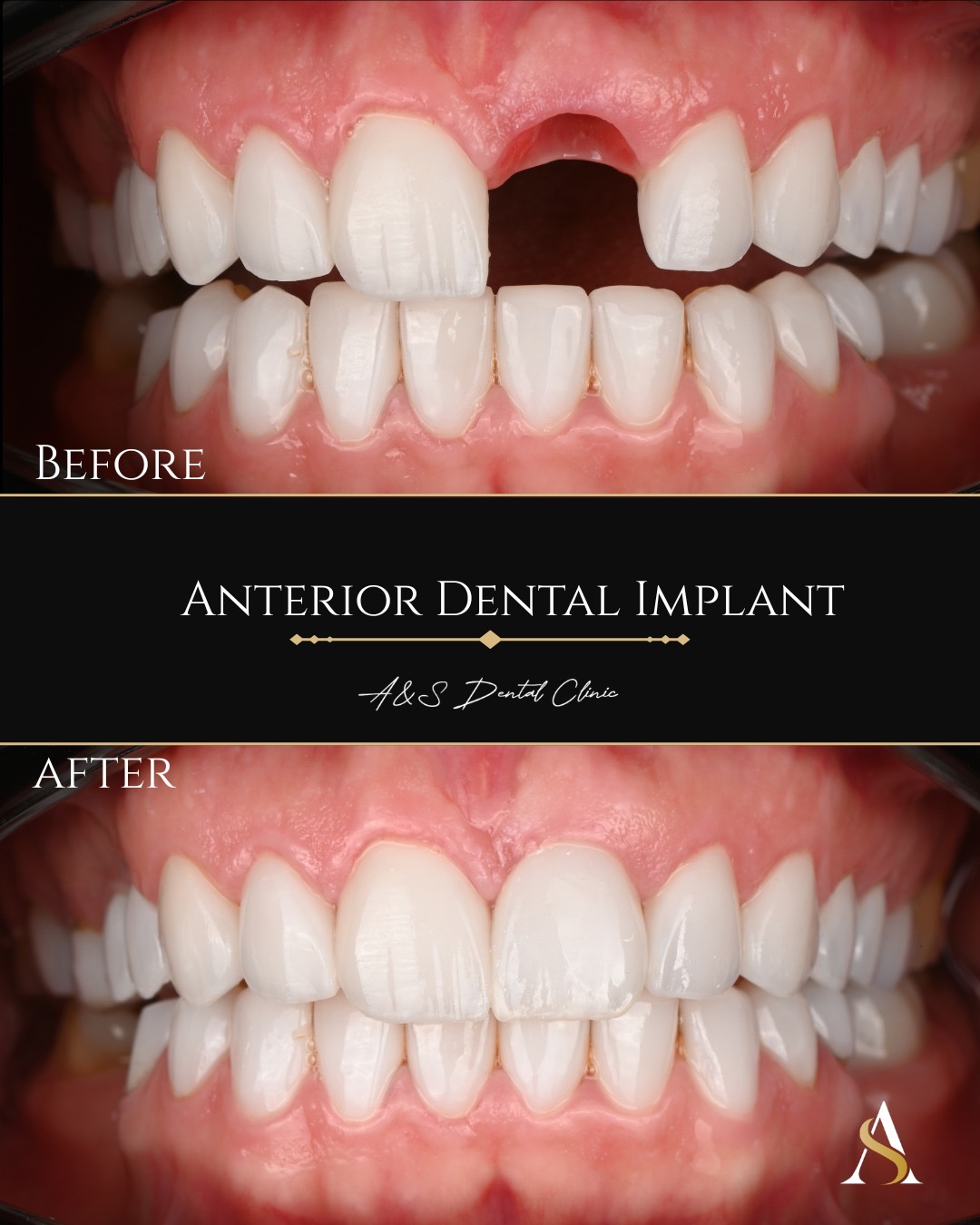
A front tooth implant needs to fit the smile as well as the bite. Planning begins with the position of the future tooth, the bone supporting it and the shape of the gums.
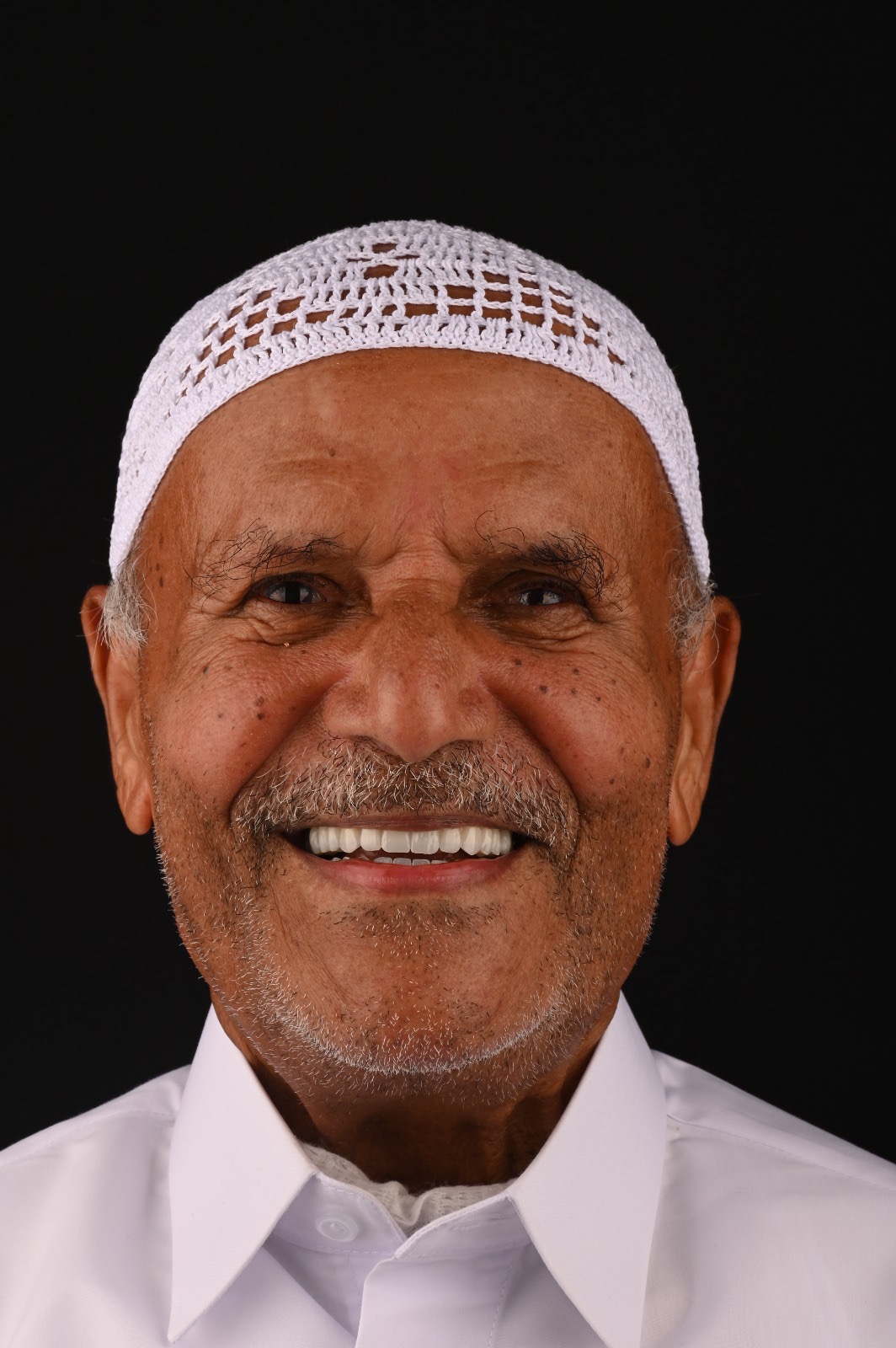
When most teeth are missing or failing, compare which teeth can be kept, how the replacement is supported and whether it is fixed or removable.
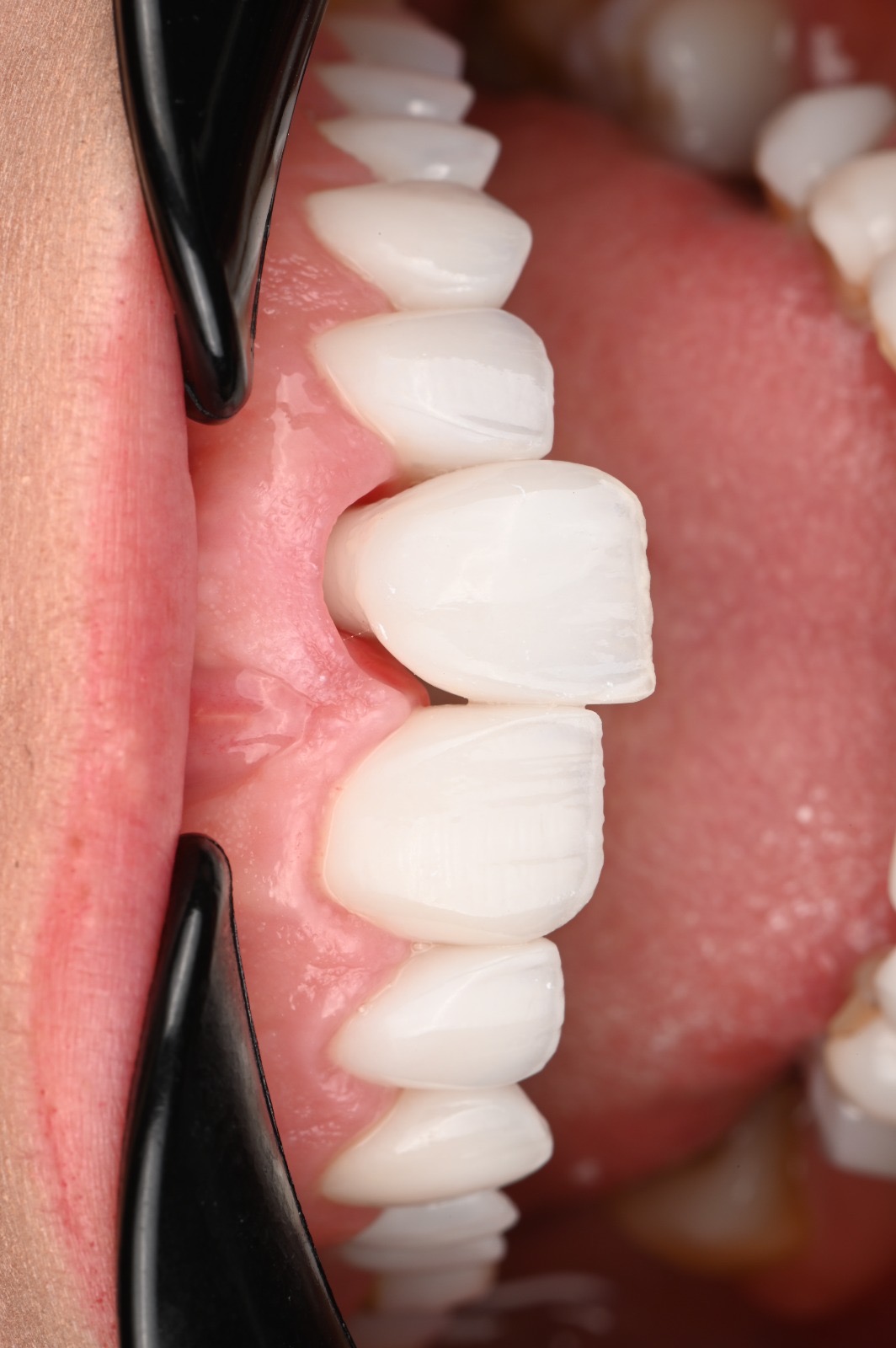
Same-day placement means inserting an implant at extraction. Receiving a temporary tooth on that implant is a separate decision.
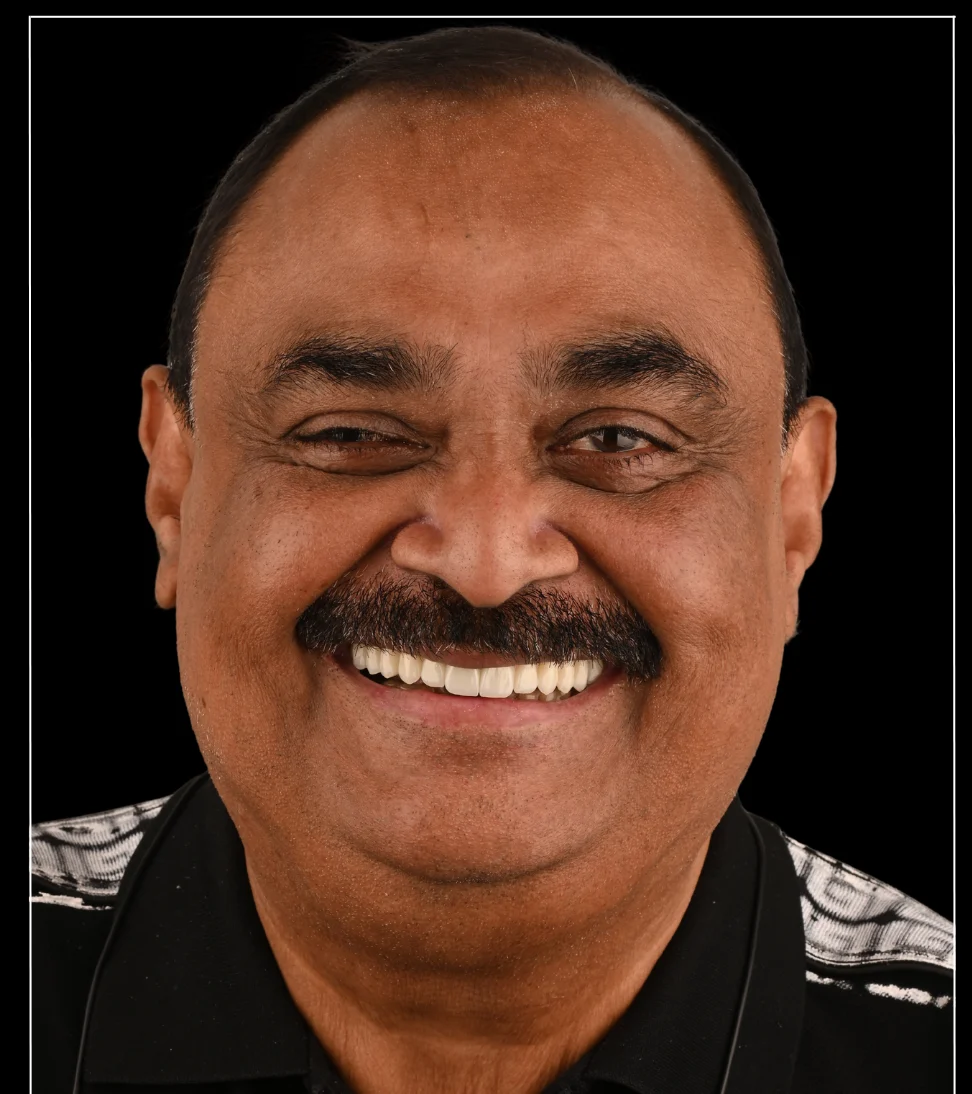
An implant overdenture is a removable denture that clips onto implants. It can be considered when a conventional denture moves or a removable option suits your needs.
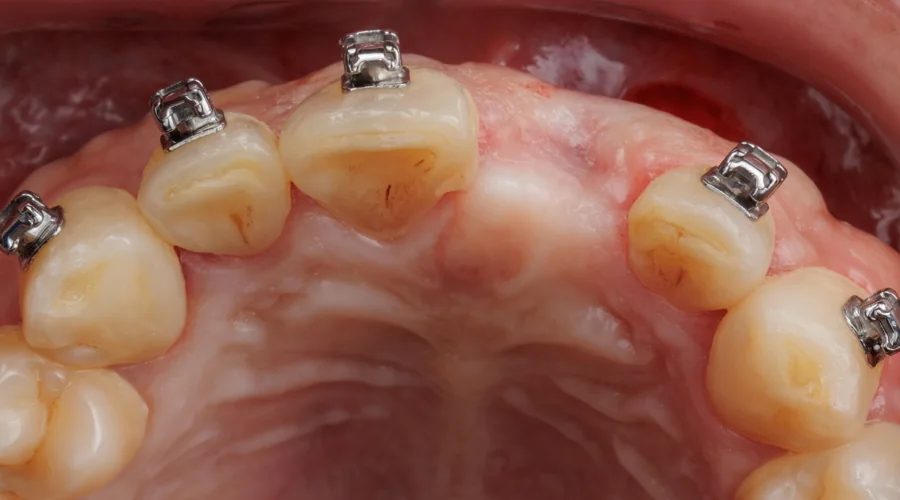
Ridge augmentation reconstructs a jaw ridge that is too narrow or too short to support implants in the planned positions.
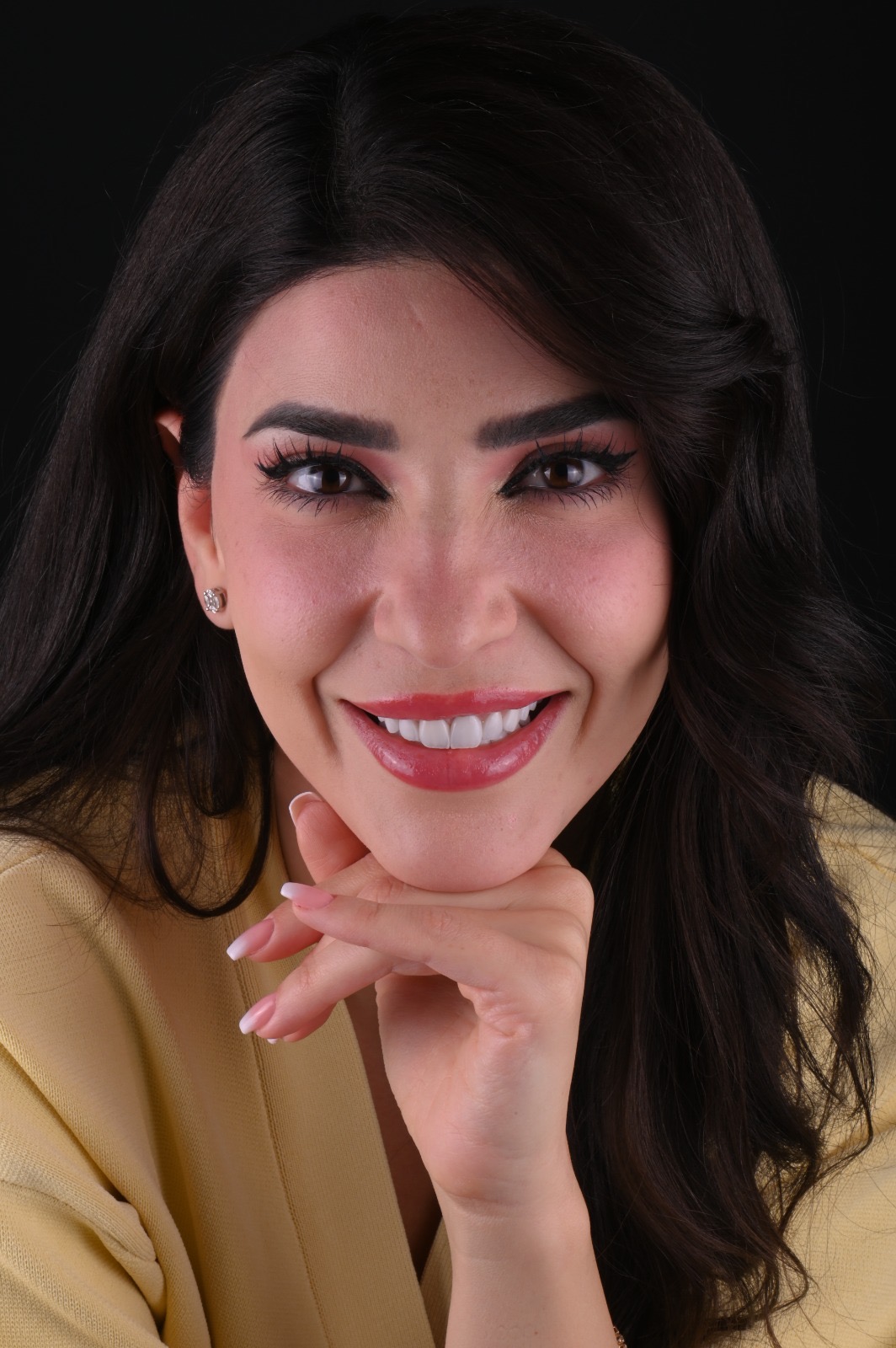
A single crown, implant bridge or another replacement may suit a gap. The most useful comparison starts with the teeth you still have.
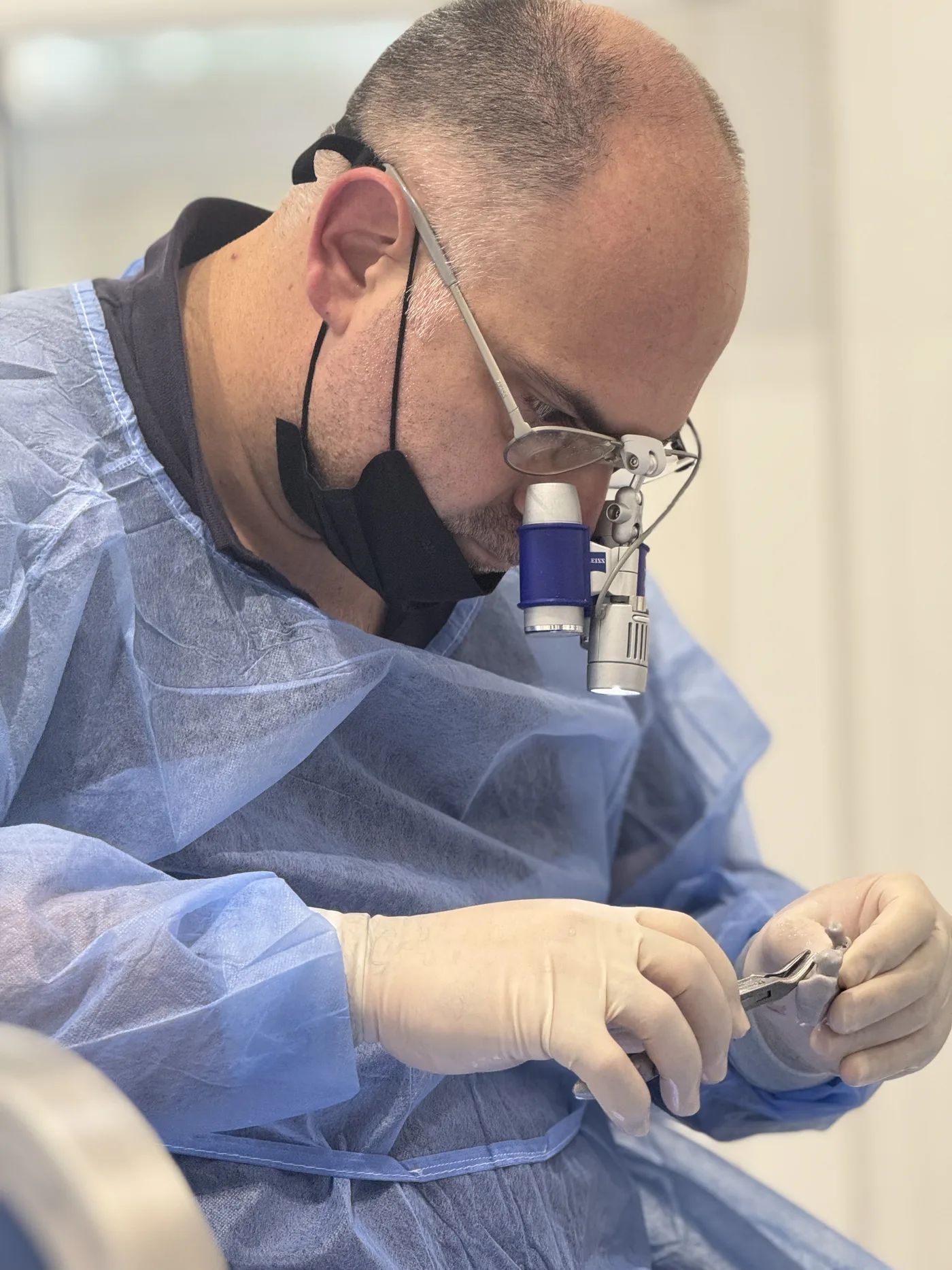
A sinus lift can create additional bone height for an implant in the back of the upper jaw, where the maxillary sinus sits above the tooth roots.
Zygomatic implants gain support in the cheekbone in selected patients whose upper jaw has too little bone for a conventional full-arch plan.
Before and after photographs supplied by Dr. Antoine Habib. Individual outcomes vary; assessment and treatment planning are specific to each patient.