Dental Implants in Dubai
From a single tooth to a complete smile.
Dental implants and personalised reconstruction of bone and soft tissues, planned around your final teeth.
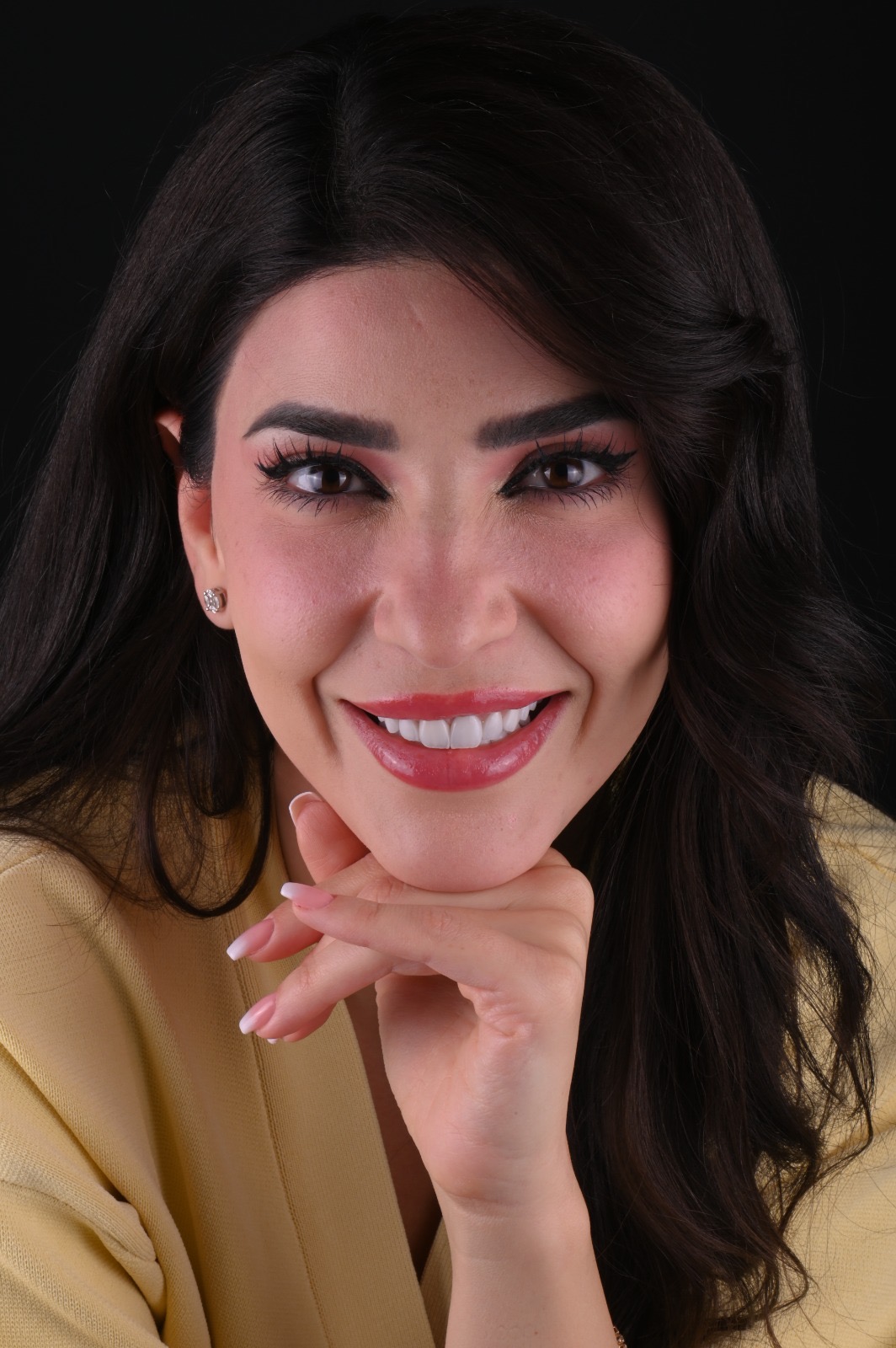
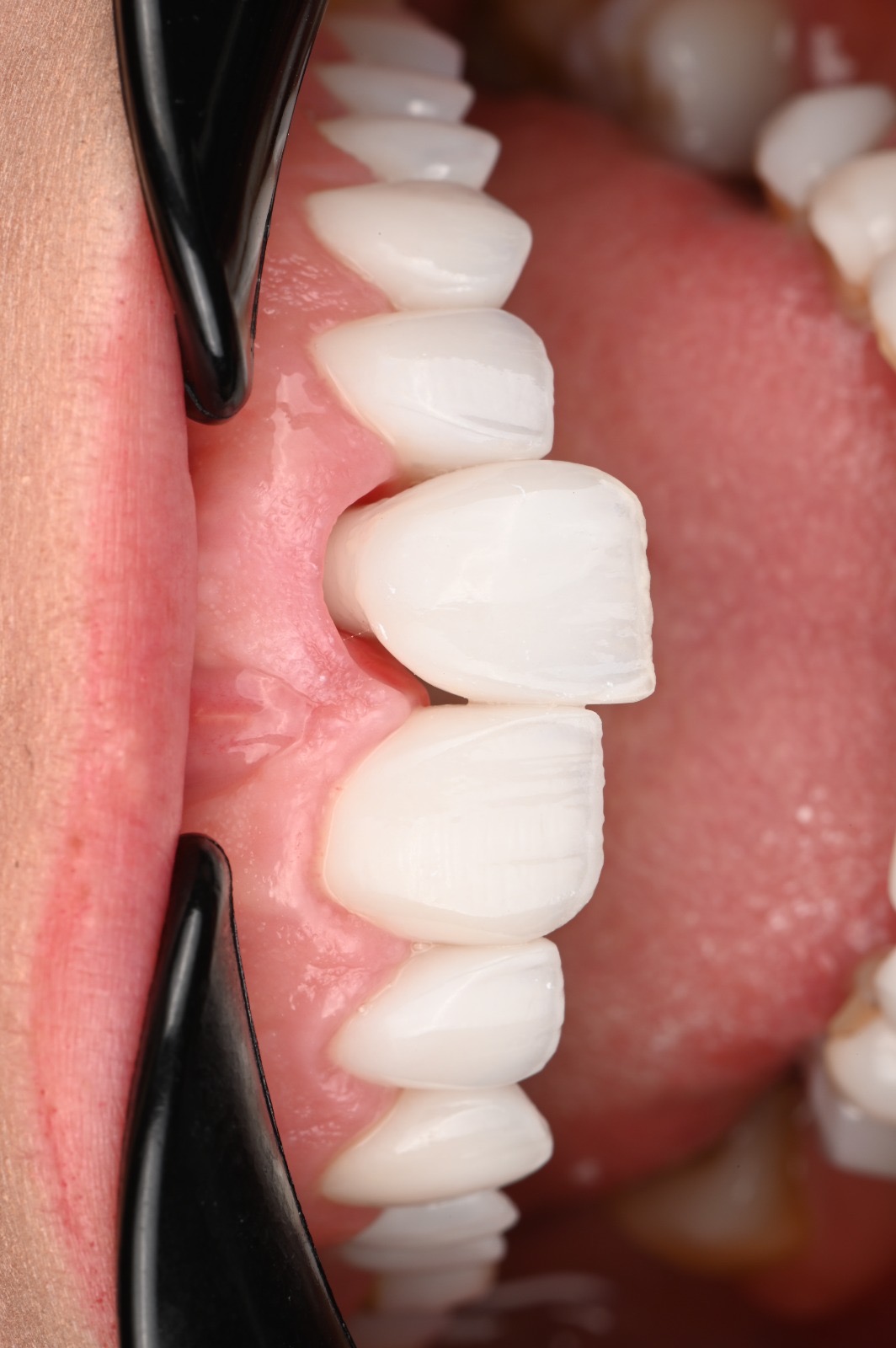
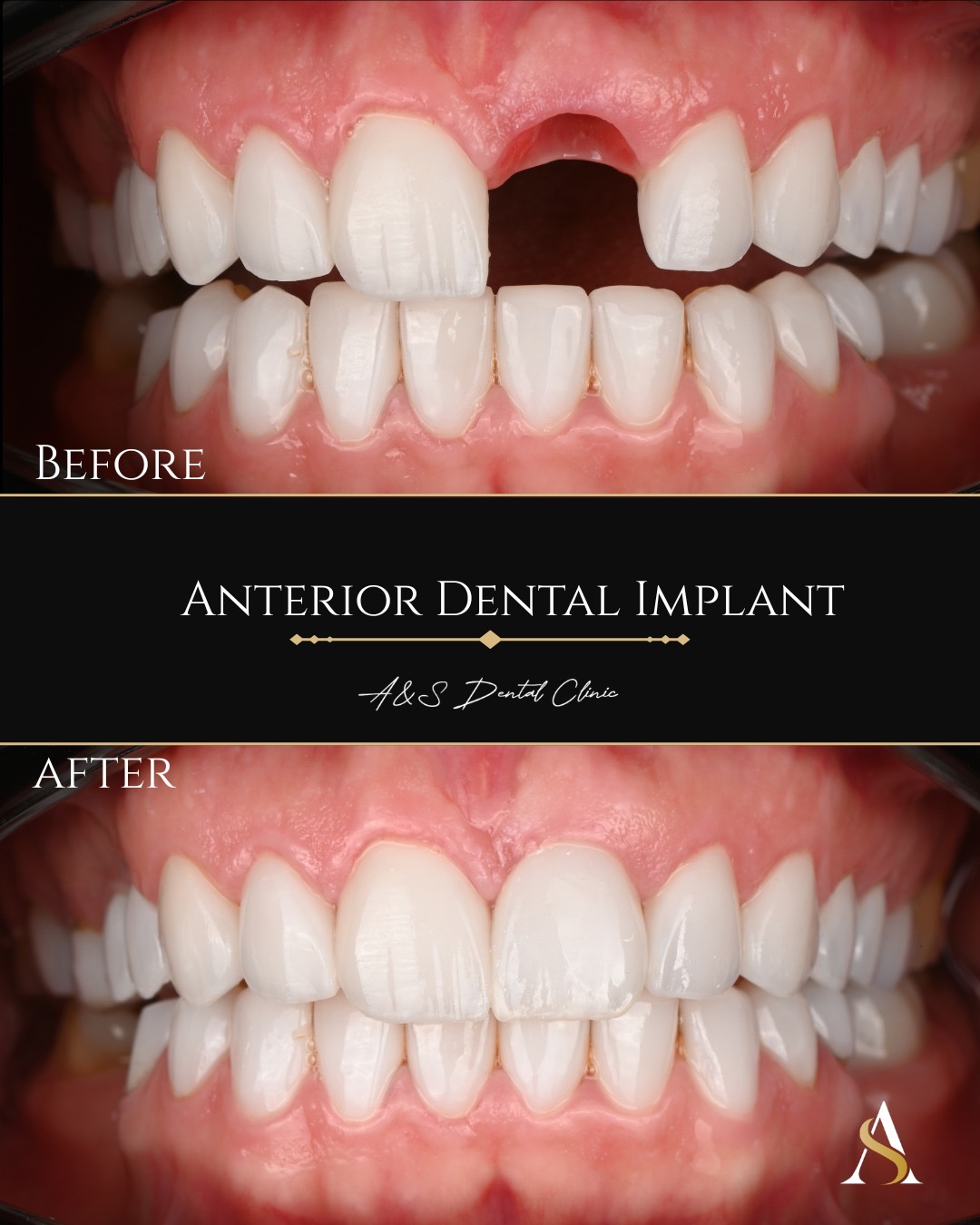
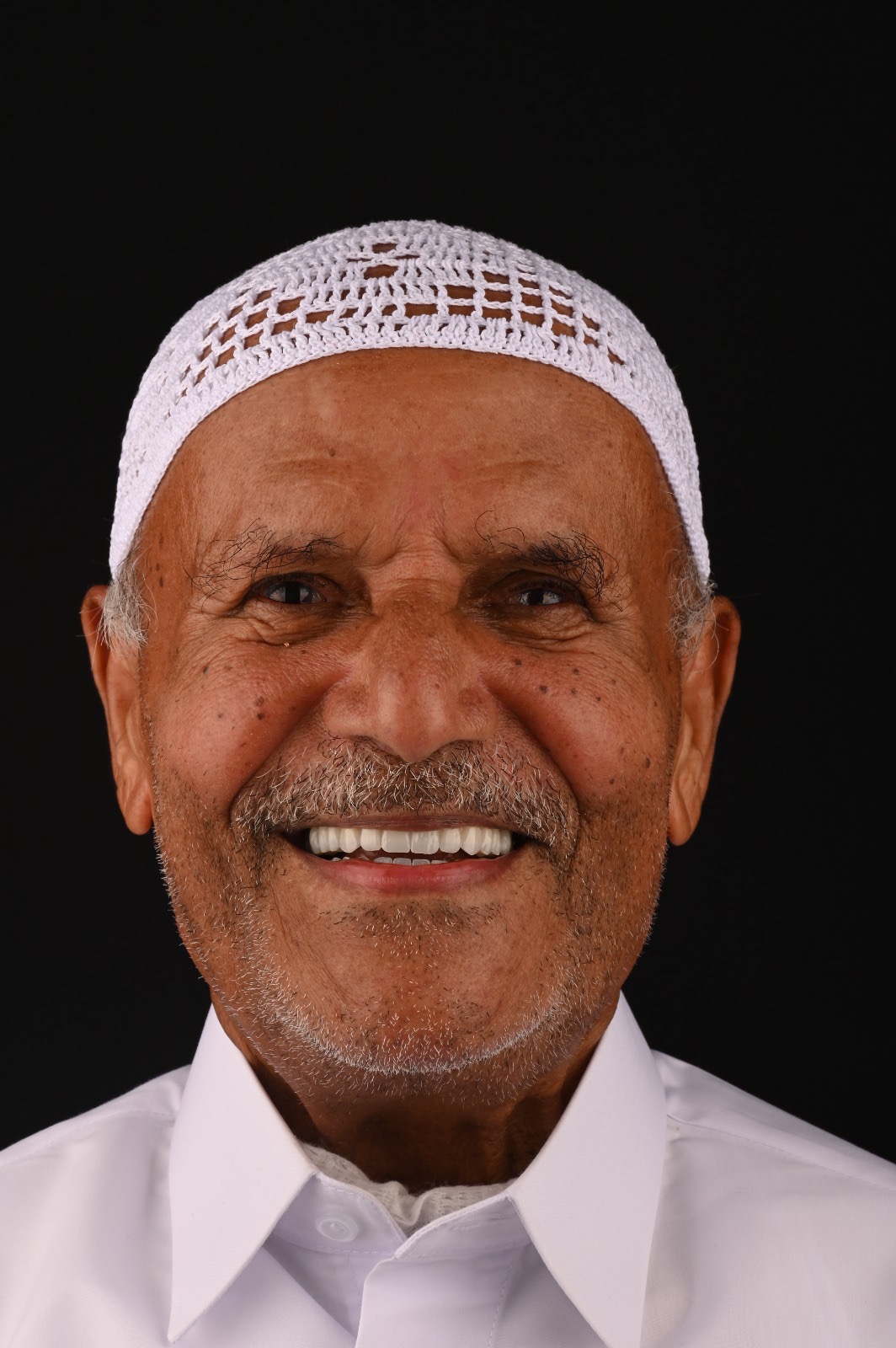
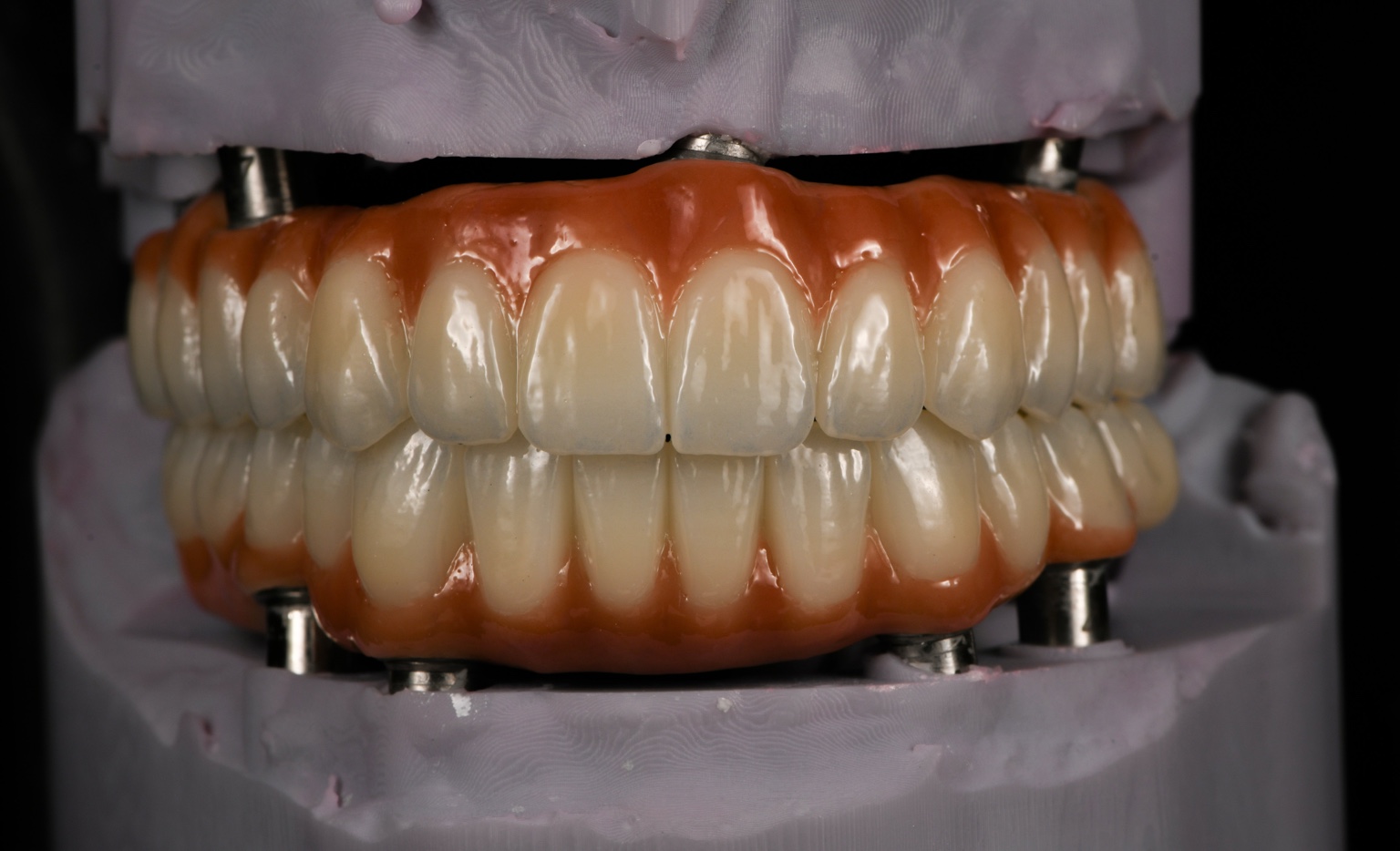
Clinical photography from Dr. Antoine’s cases · Individual results vary.
Which sounds like you?
You do not need to know the name of a procedure. Start with the problem you want to solve.
My front tooth needs replacing.
A plan that considers your smile, gum line and surrounding teeth.
I am missing one or several teeth.
Explore fixed tooth replacement tailored to your gaps and bite.
My teeth are failing. My denture moves.
Understand the options for replacing a complete arch of teeth.
I was told there is not enough bone.
Assess whether reconstruction or another implant approach is suitable.
Something is wrong with my implant.
Start with the cause, then discuss the next steps.
I need implants near the sinus.
Assess available bone and whether a sinus lift is needed.
Function. Gum harmony. A natural smile.
Every case starts with a different challenge. The final teeth guide the treatment plan.
Attention to the front tooth.
The patient’s smile, the implant crown and the surrounding gum: three views of one anterior implant case.
A complete smile, considered as a whole.
One full-arch case: the patient’s smile alongside the upper and lower implant restorations.
Clinical photographs supplied by Dr. Antoine Habib. Results are individual and do not guarantee a similar outcome. Tap a photograph to view it in full.
We plan the teeth. Then the surgery.
Your assessment connects the final restoration with the condition of your bone, gums and bite. See how 3D implant planning connects the scan to the final teeth.
Listen and examine
Your concerns, medical history, previous treatment, teeth and gums.
See the anatomy
CBCT imaging when indicated, with photographs and a digital tooth scan as needed.
Design the final teeth
Consider appearance, bite, space, cleaning access and the supporting tissues.
Agree on the sequence
Review the options, healing stages, temporary teeth, costs and relevant risks.
Different problems. Individual solutions.
Some cases need implants alone. Others need bone or soft tissue reconstruction. Open an option to learn more.
Front tooth implants
Planning focuses on the visible tooth and gum line. The timing of extraction, implant placement and tissue reconstruction depends on your anatomy and clinical findings.
Read about front tooth implant planning.
Full-arch rehabilitation
Fixed implant-supported teeth can replace a complete arch in suitable cases. Implant number, restorative materials and the possibility of immediate temporary teeth are assessed individually.
Read about full mouth dental implants.
Compare All-on-4 and All-on-6 or see how snap-in dentures differ from fixed bridges.
Sinus lift
When bone beneath the upper jaw sinus is insufficient, a sinus augmentation may be considered. The approach and timing depend on your scan and clinical assessment.
Read about sinus lift options.
Single & multiple implants
An implant crown or implant-supported bridge can replace missing teeth. The number and position of implants depend on the planned restoration and available support.
Read about single and multiple tooth implants.
Bone reconstruction
Bone augmentation may rebuild the width or height needed for the planned implant position. It may be performed before or with implant placement, depending on the defect.
Read about dental bone grafting.
For larger defects, read about ridge augmentation. For severe upper jaw bone loss, compare reconstruction with zygomatic implants.
Implant complications & reconstruction
We assess the cause of pain, movement, tissue loss or an unsatisfactory result. Management may involve treating inflammation, revising the restoration, reconstruction or implant removal.
Read about failing implants and peri-implantitis.
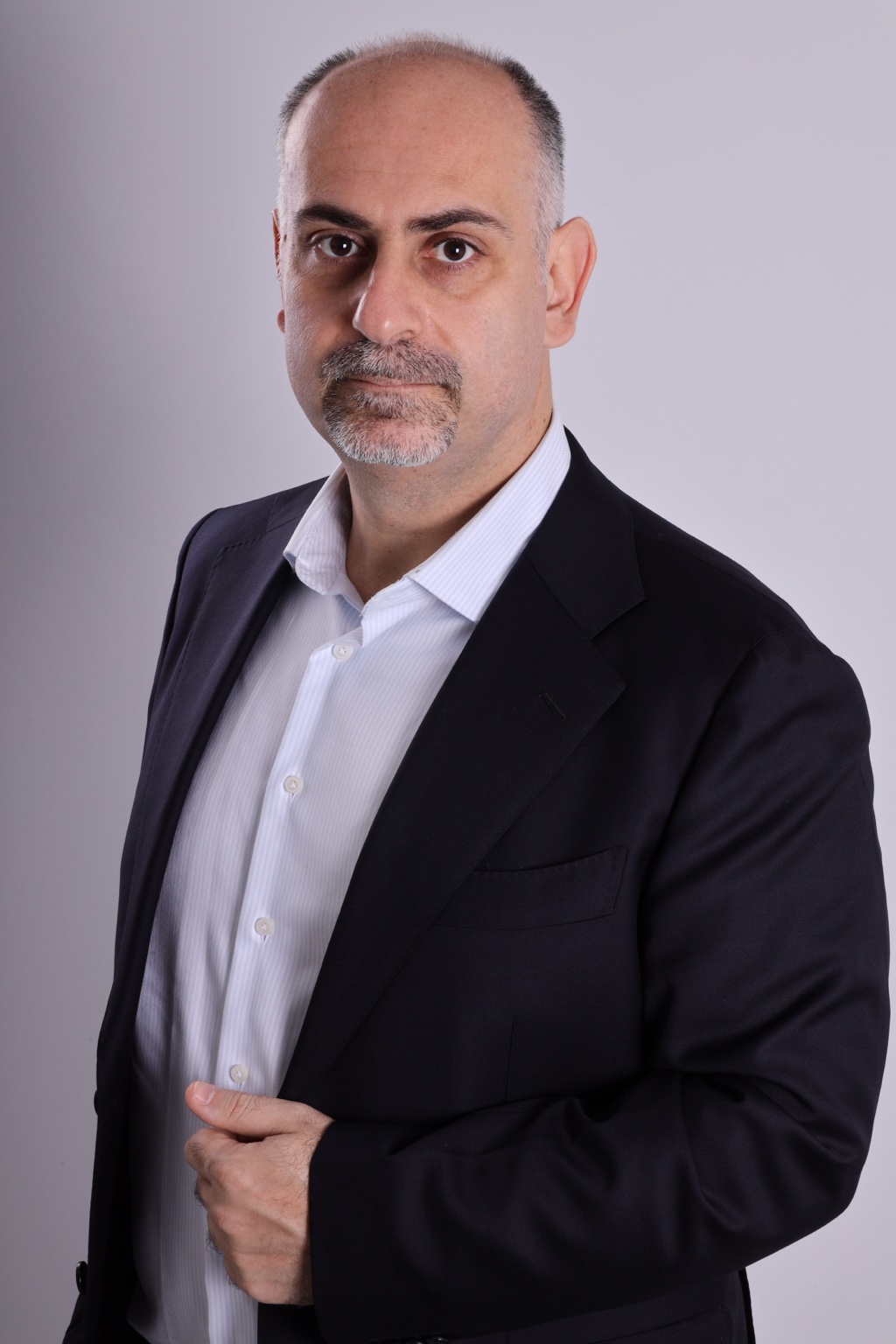
Dr. Antoine Habib
Oral & Maxillofacial Surgeon, Dubai
A surgical approach that considers the bone, soft tissues and final teeth together, with particular focus on anterior implants and reconstructive cases.
Beyond the implant
Assessment of the foundations as well as the tooth being replaced.
A clear sequence
Understand the stages and alternatives before starting treatment.
Individual decisions
Reconstruction is considered where needed for your treatment plan.
Know what comes next.
Consultation & planning
Understand your condition and agree on the proposed treatment.
Your surgical stage
Implant placement and any required reconstruction, together or in stages.
Final teeth & maintenance
Fit the planned teeth and establish cleaning and follow-up care.
The number of stages and treatment duration vary with the clinical situation.
Dental Implants: Common Questions
Do I always need a bone graft?
No. This depends on the amount and shape of the available bone and the position required for the final tooth. Your examination and imaging help determine the need.
Can I have an implant immediately after extraction?
Sometimes. Immediate placement depends on factors including the socket, infection, available bone and whether the implant can be stabilised in a suitable position.
Will I be without teeth during treatment?
Temporary tooth options can be discussed during planning. A fixed temporary tooth is not suitable in every case; a removable option may be more appropriate during healing.
How long does treatment take?
Timing depends on healing, implant stability and whether reconstruction is needed. A staged bone graft can add several months. Your timeline is discussed after assessment.
Is the procedure painful?
Anaesthesia is used during treatment. Postoperative soreness and swelling vary with the procedure; pain control and aftercare are planned for your situation.
Can a failing implant be saved?
Some problems can be managed without removing the implant. Others require removal and reconstruction. Identifying the cause comes first.
What determines the cost?
The number of implants, type of final teeth, need for bone or gum reconstruction and temporary restorations all affect the total. An itemised plan follows your assessment.
What are the main risks?
Risks include infection, implant or graft failure, gum changes and damage to nearby structures. Your anatomy, health and proposed procedure determine which risks need particular discussion.
In their own words.

Nuha Amm-Ali
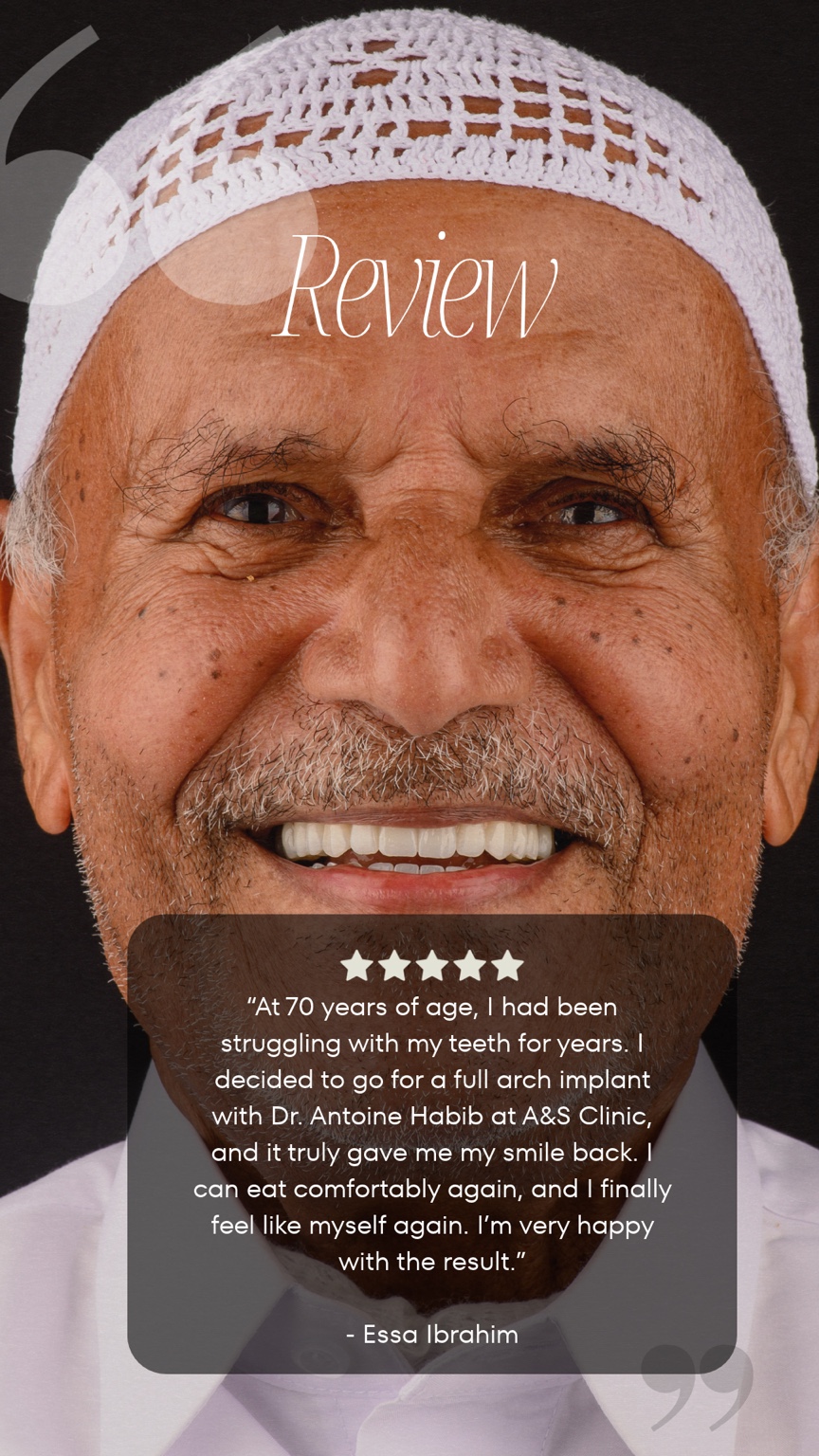
Essa Ibrahim
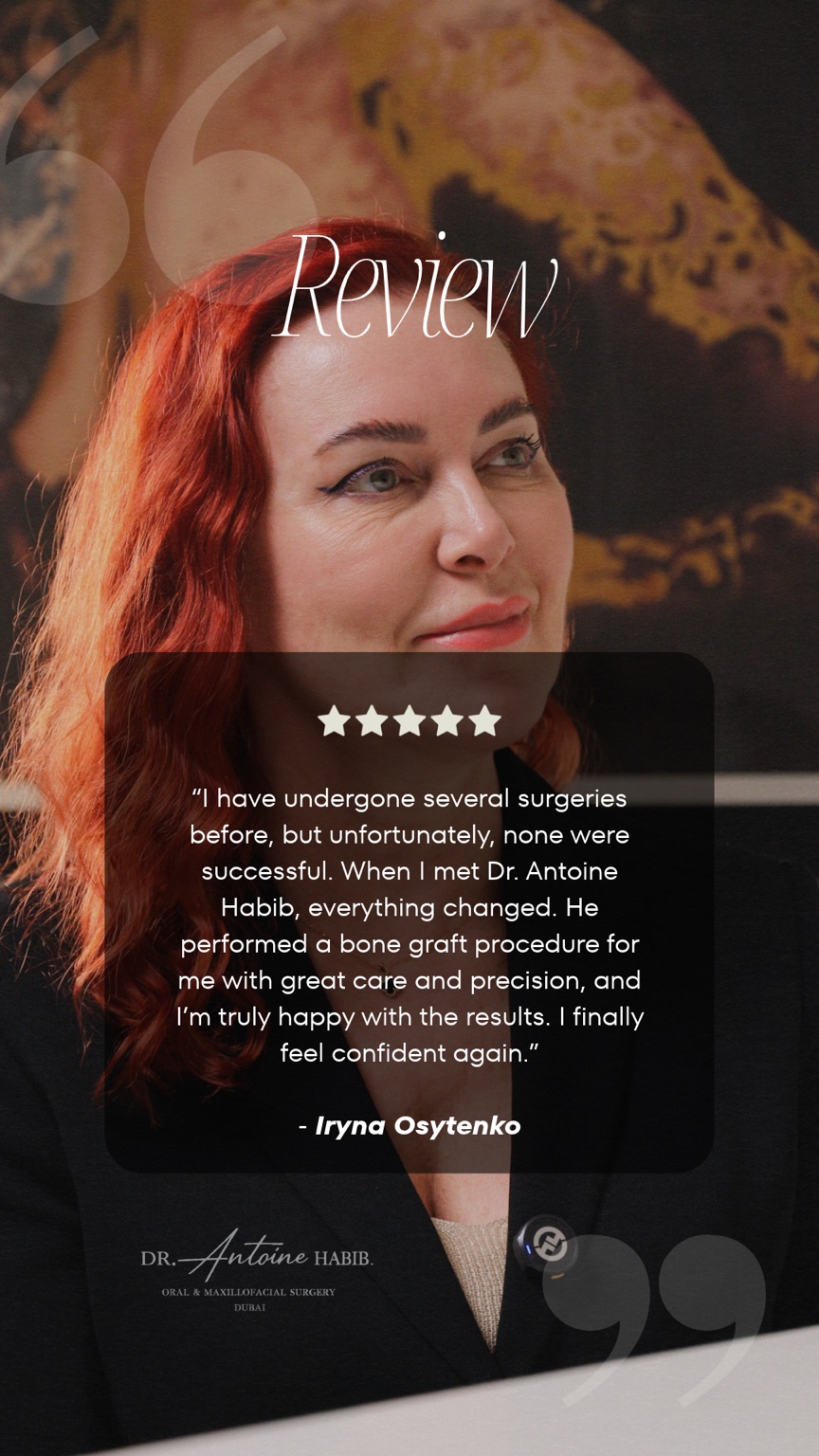
Iryna Osytenko
Let’s understand your case.
Arrange a consultation with Dr. Antoine to discuss your concerns, available records and treatment options.
Dr. Antoine & Salma Dental Clinic
Villa 4, Al Wasl Road, Al Manara, Dubai
+971 56 648 1481