Home / Jaw Surgery
Jaw Surgery in Dubai
Orthognathic Surgery
Personalised surgical planning to improve jaw alignment, bite function and facial balance, with Dr. Antoine Habib, Oral & Maxillofacial Surgeon.
Dr. Antoine Habib · Oral & Maxillofacial Surgeon · Dubai
What Would You Like to Correct?
Explore common concerns with jaw position, facial balance and your bite. Start with what feels most familiar to you.
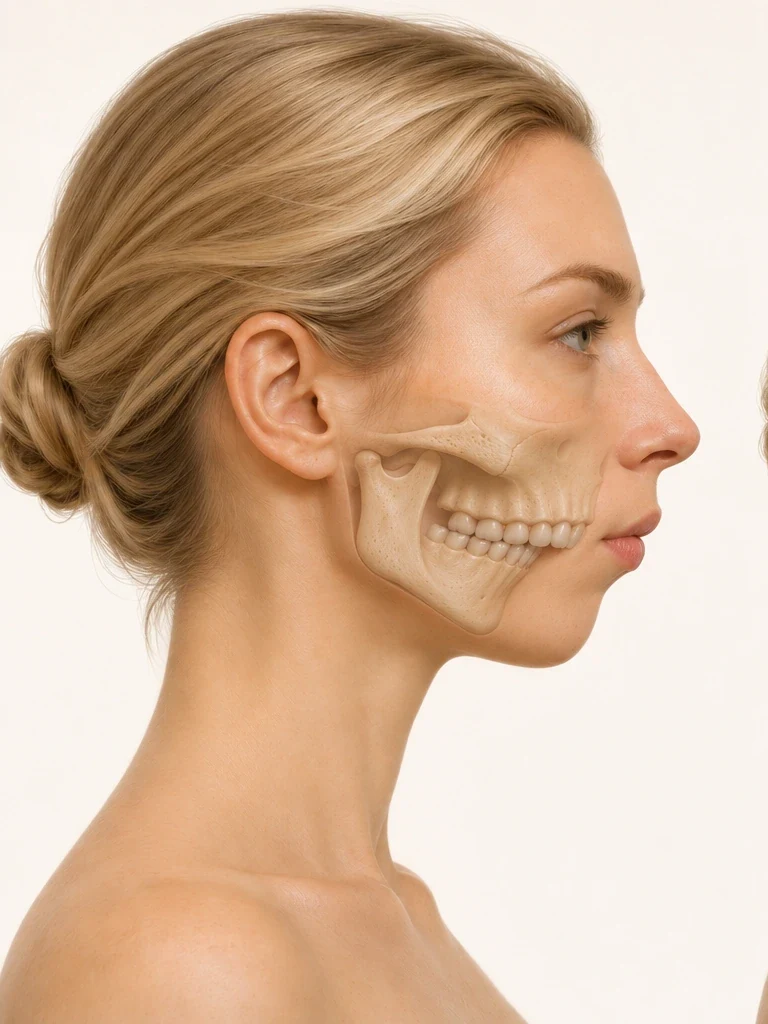
Recessed Lower Jaw
When your lower jaw sits back, affecting your profile and bite.
Overbite and recessed jaw
↗
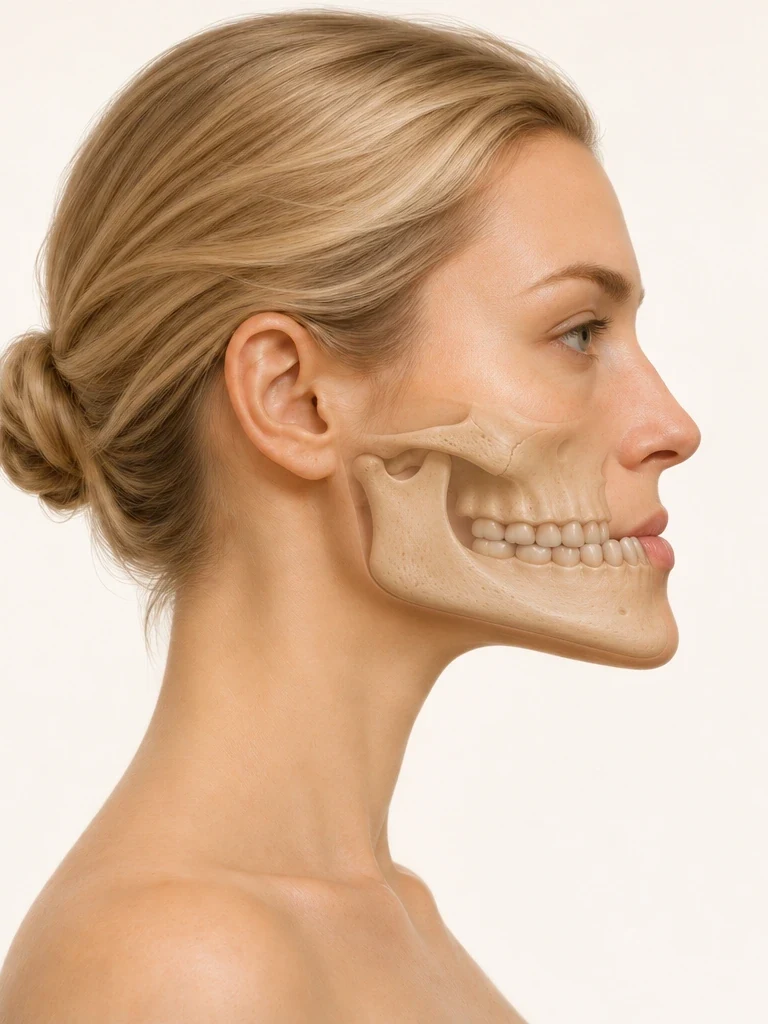
Protruding Lower Jaw
When your lower jaw projects forward in relation to your upper jaw.
Underbite and protruding jaw
↗
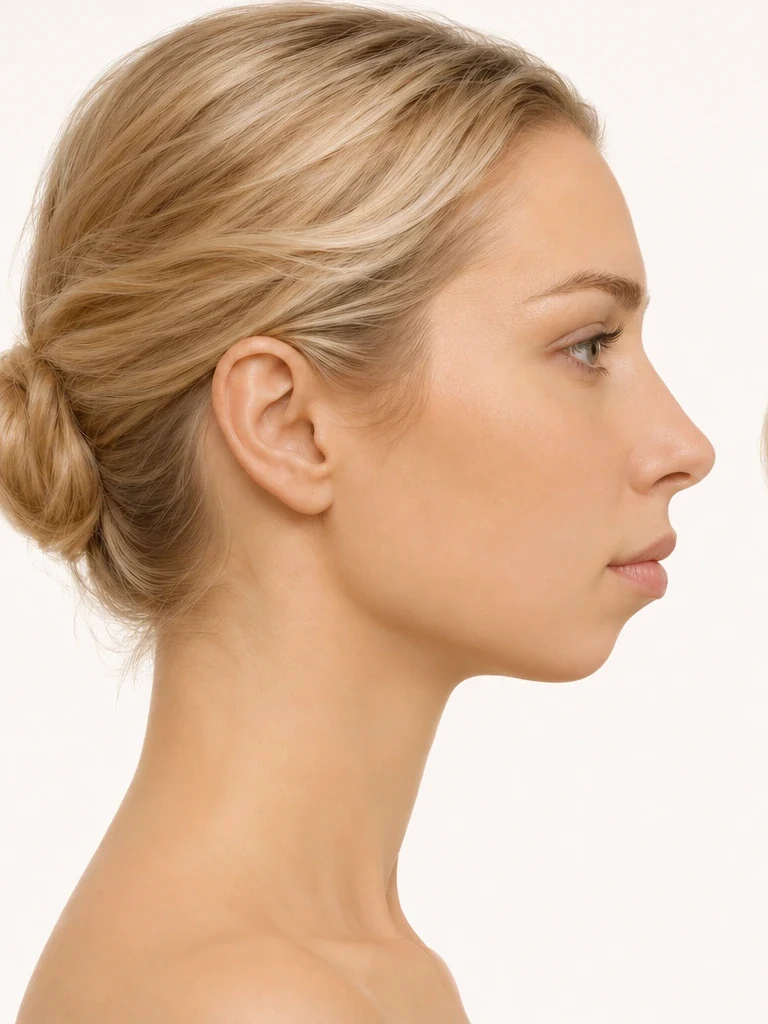
Recessed Chin
When your chin sits back and your profile lacks projection.
Weak or recessed chin
↗
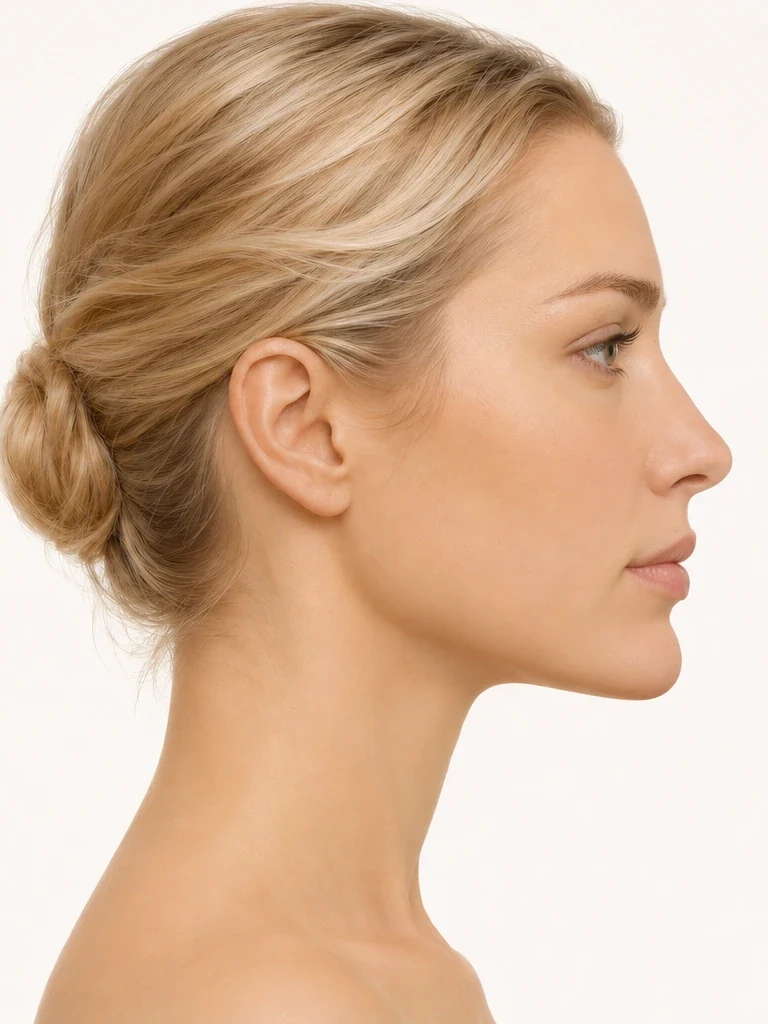
Prominent Chin
When your chin projects further forward than you would like.
Prominent chin and chin reduction
↗
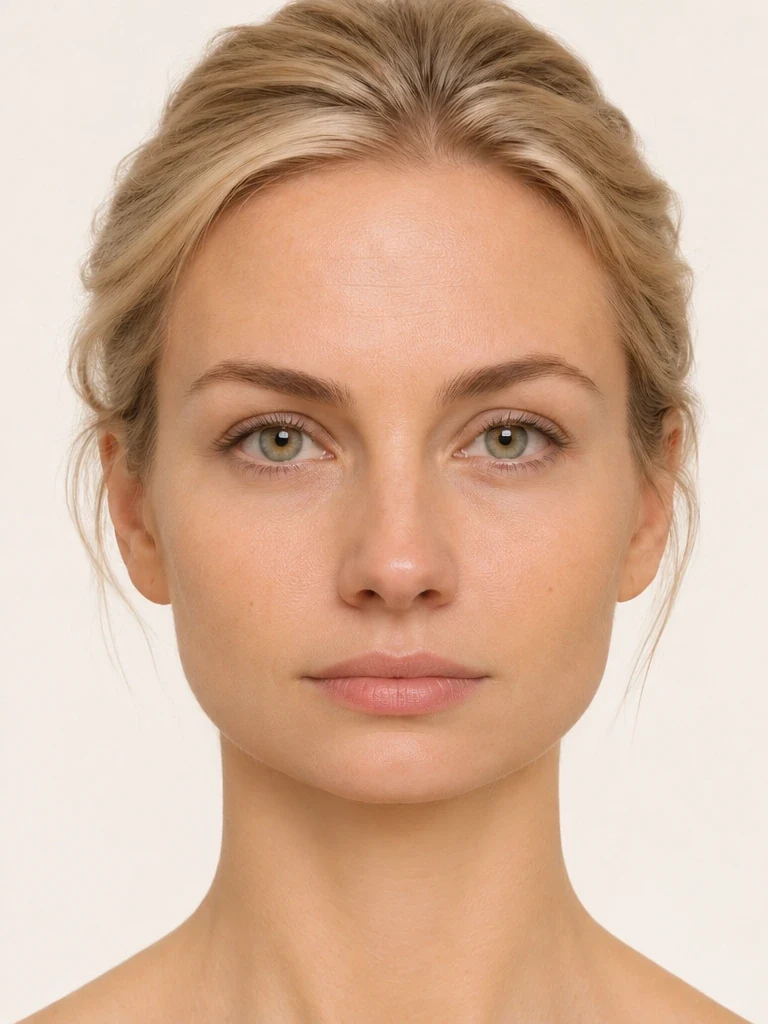
Long Face
When the lower part of your face appears longer than balanced proportions.
Long face and open bite
↗
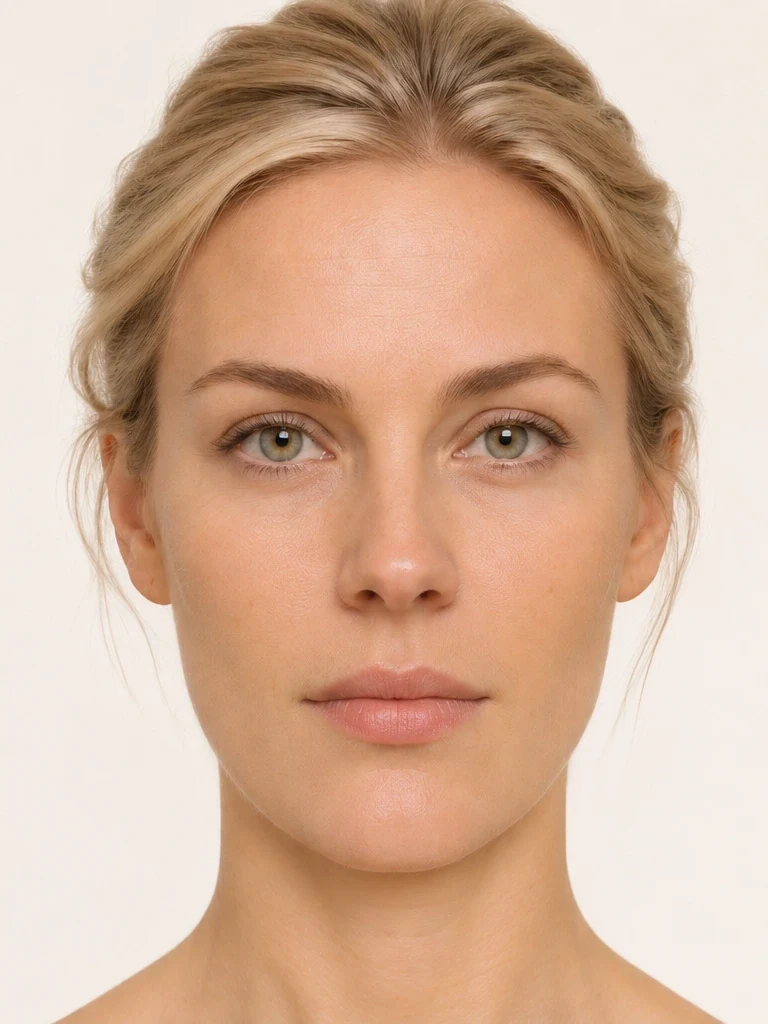
Short Face
When the lower part of your face appears short or compressed.
Short face and deep bite
↗
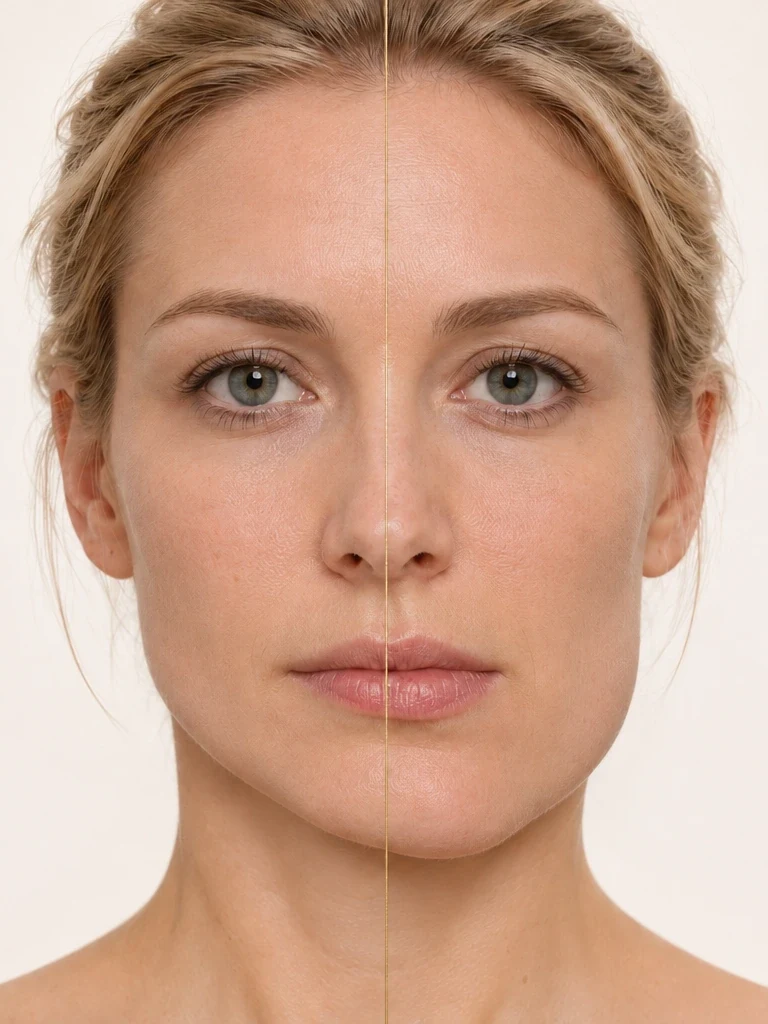
Facial Asymmetry
When your chin or jaw appears off-centre, or the two sides look uneven.
Uneven face and jaw asymmetry
↗
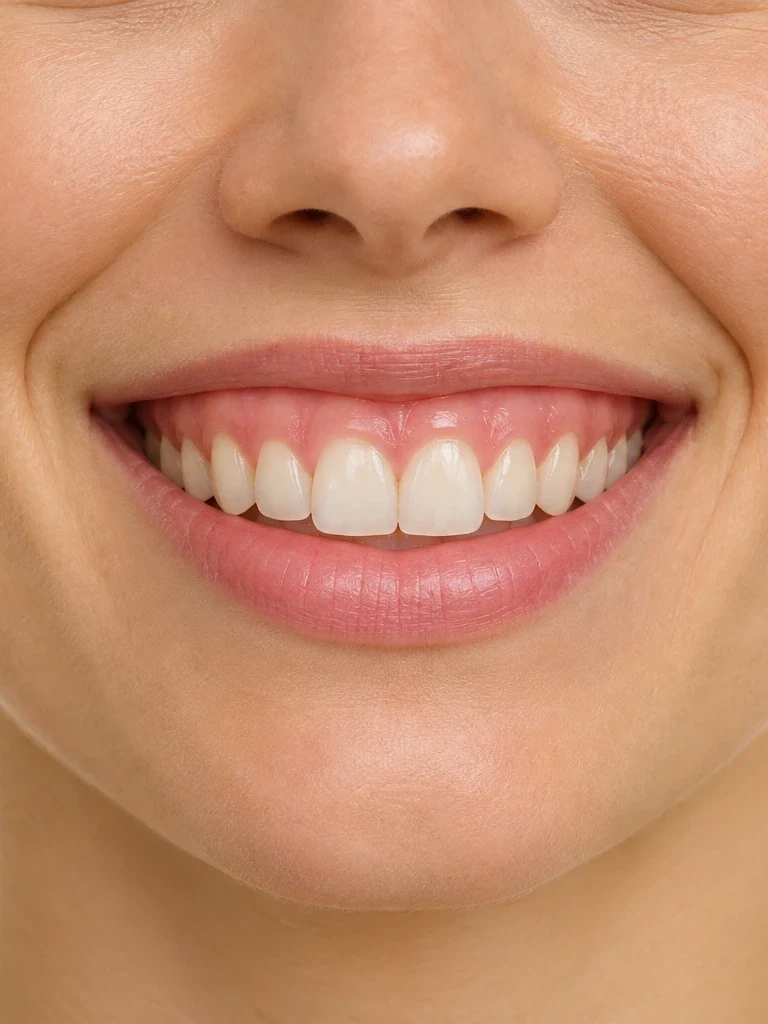
Gummy Smile
When more gum shows than you would like when smiling.
Gummy smile treatment
↗
Similar appearances can have different causes. A consultation identifies which jaw, or combination of factors, is involved.
Illustrative images help explain different concerns. Individual diagnosis determines the appropriate treatment.
Recessed Lower Jaw
When your lower jaw sits back, affecting your profile and bite.
This is a preview of the navigation. The dedicated page will explain possible causes, treatment options and the assessment process.
Protruding Lower Jaw
When your lower jaw projects forward in relation to your upper jaw.
This is a preview of the navigation. The dedicated page will explain possible causes, treatment options and the assessment process.
Recessed Chin
When your chin sits back and your profile lacks projection.
This is a preview of the navigation. The dedicated page will explain possible causes, treatment options and the assessment process.
Prominent Chin
When your chin projects further forward than you would like.
This is a preview of the navigation. The dedicated page will explain possible causes, treatment options and the assessment process.
Long Face
When the lower part of your face appears longer than balanced proportions.
This is a preview of the navigation. The dedicated page will explain possible causes, treatment options and the assessment process.
Short Face
When the lower part of your face appears short or compressed.
This is a preview of the navigation. The dedicated page will explain possible causes, treatment options and the assessment process.
Facial Asymmetry
When your chin or jaw appears off-centre, or the two sides look uneven.
This is a preview of the navigation. The dedicated page will explain possible causes, treatment options and the assessment process.
Gummy Smile
When more gum shows than you would like when smiling.
This is a preview of the navigation. The dedicated page will explain possible causes, treatment options and the assessment process.
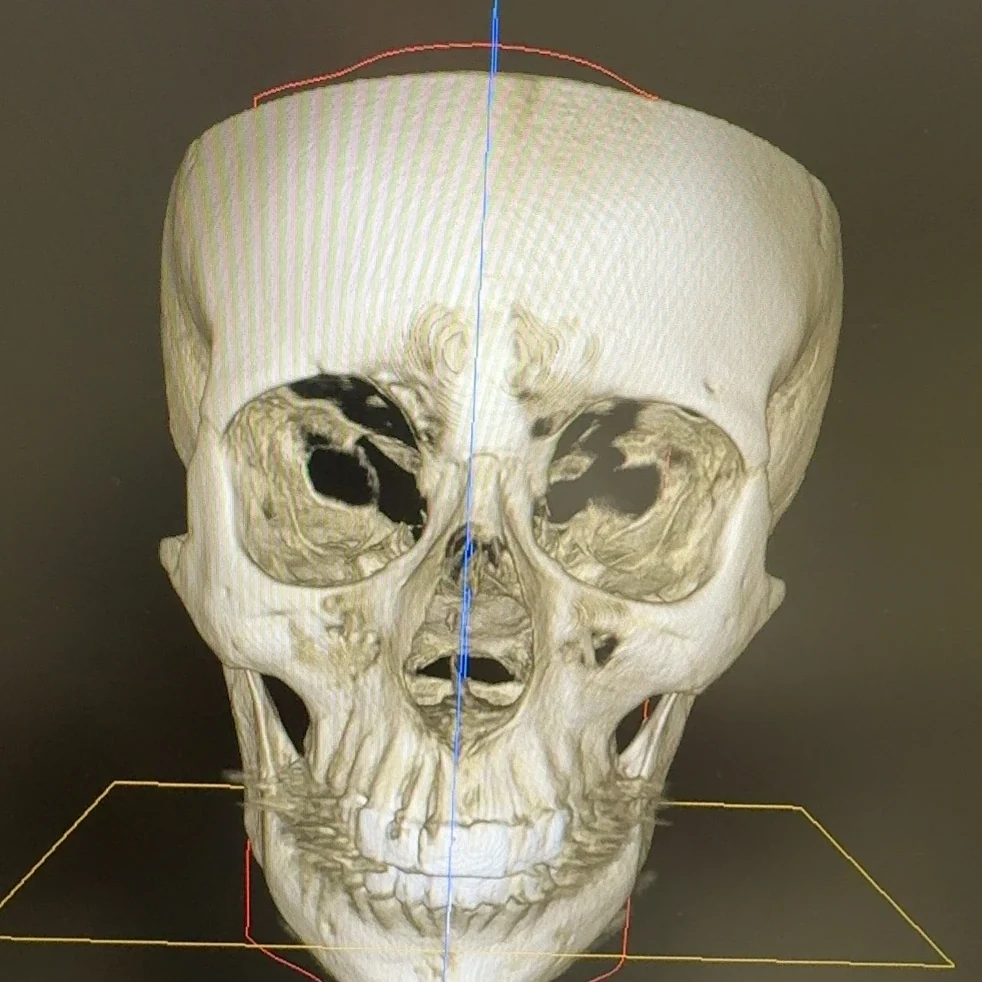
Four Records. One Personalised Surgical Plan.
We bring together your bones, face, photographs and teeth to plan treatment and help you understand the proposed changes.
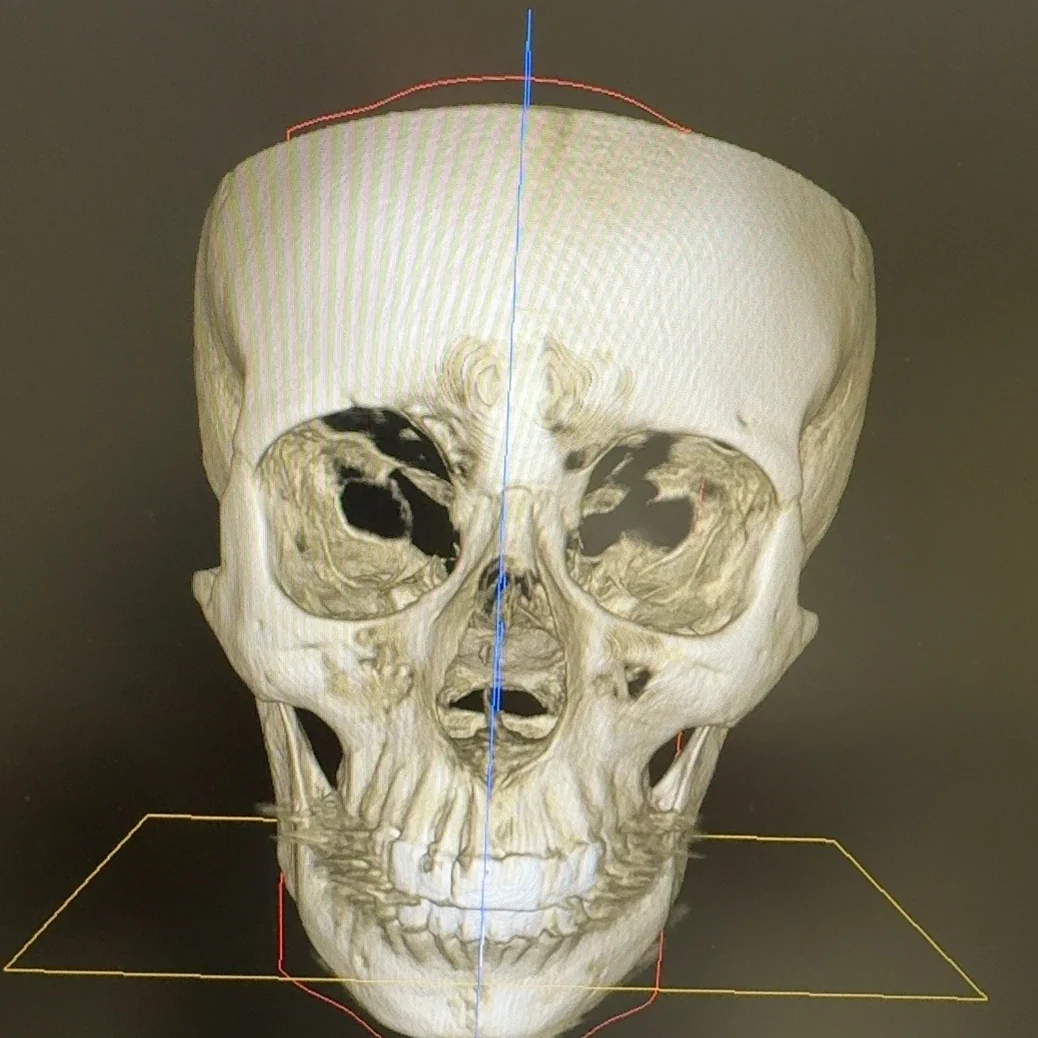
STEP 01
3D CBCT Scan
See the bone structure.
A three-dimensional view of your facial bones and jaws.
CBCT scan for jaw surgery
↗
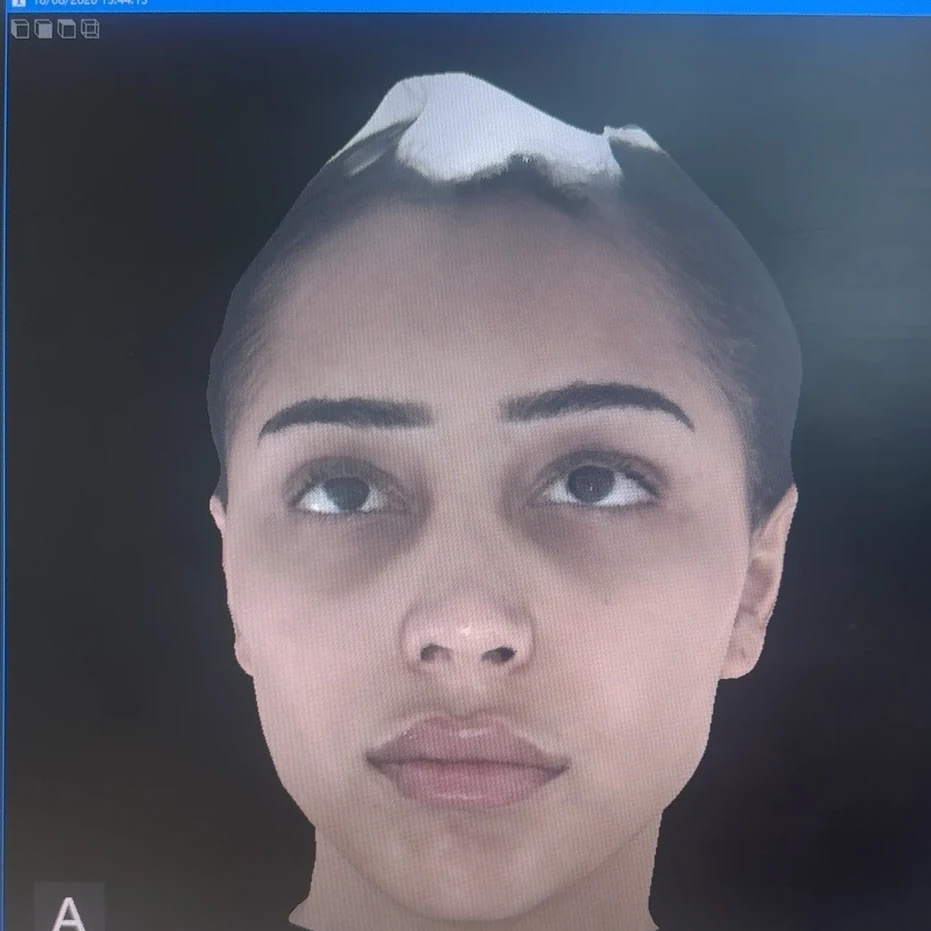
STEP 02
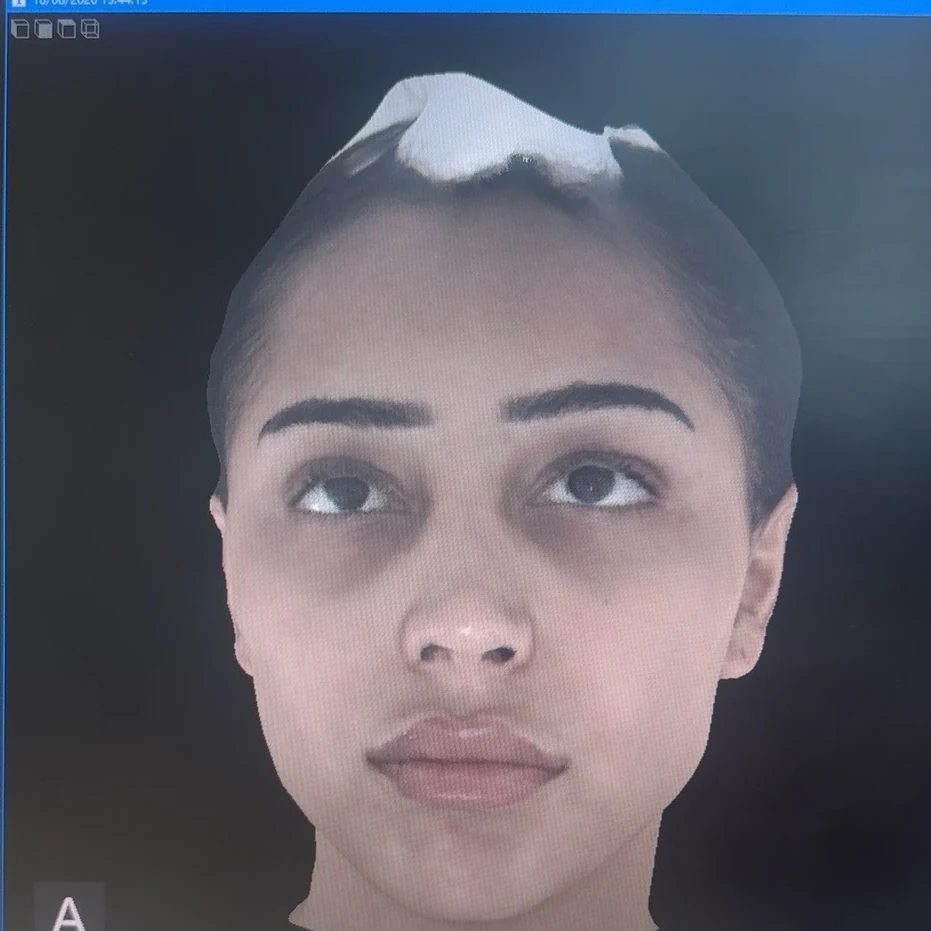
3D Face Scan
Capture your facial contours.
A digital model of the face adds the soft-tissue perspective.
3D face scan for jaw surgery
↗
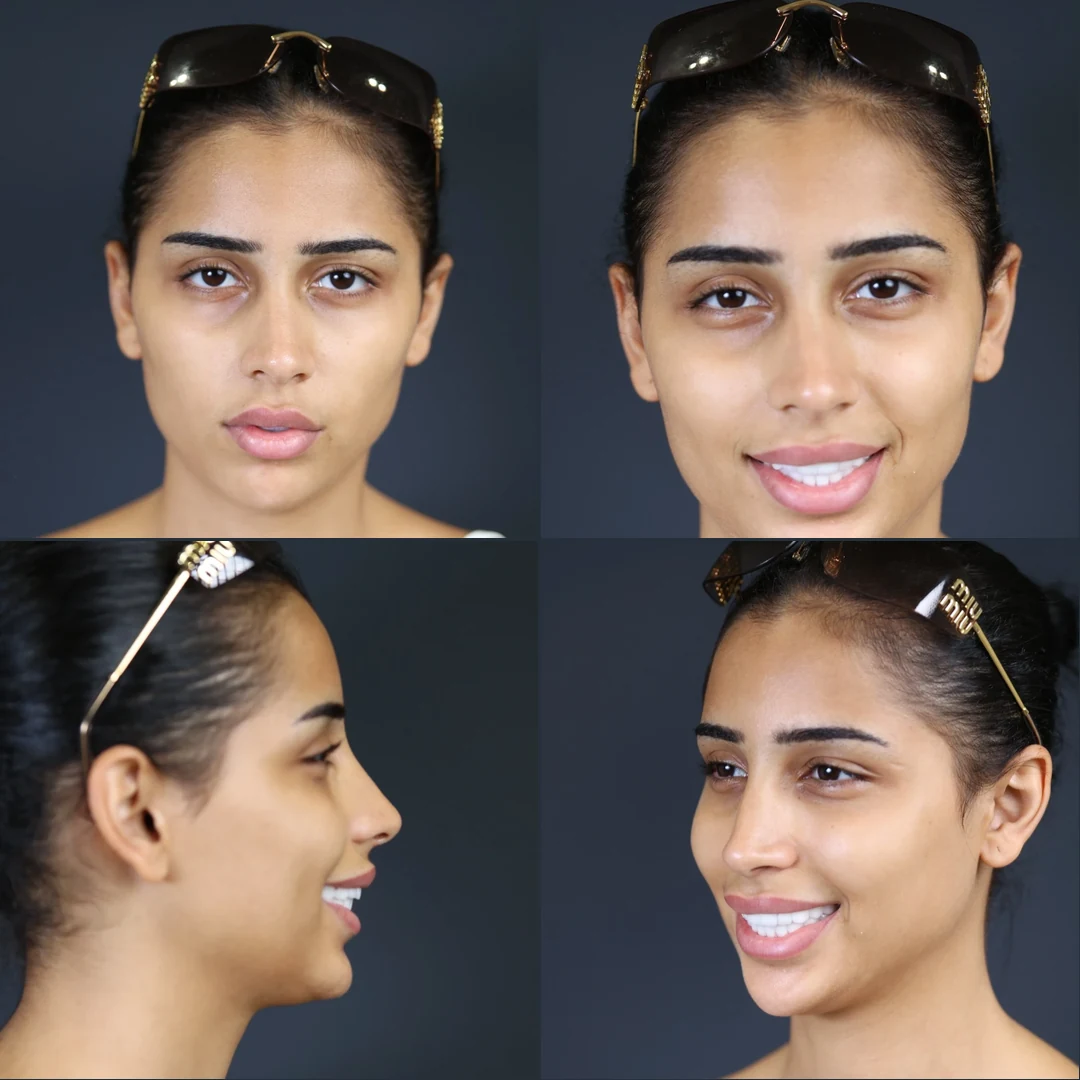
STEP 03
Clinical Photography
Study your face and smile.
Standardised views document facial proportions, your smile and bite.
Jaw surgery photo series
↗
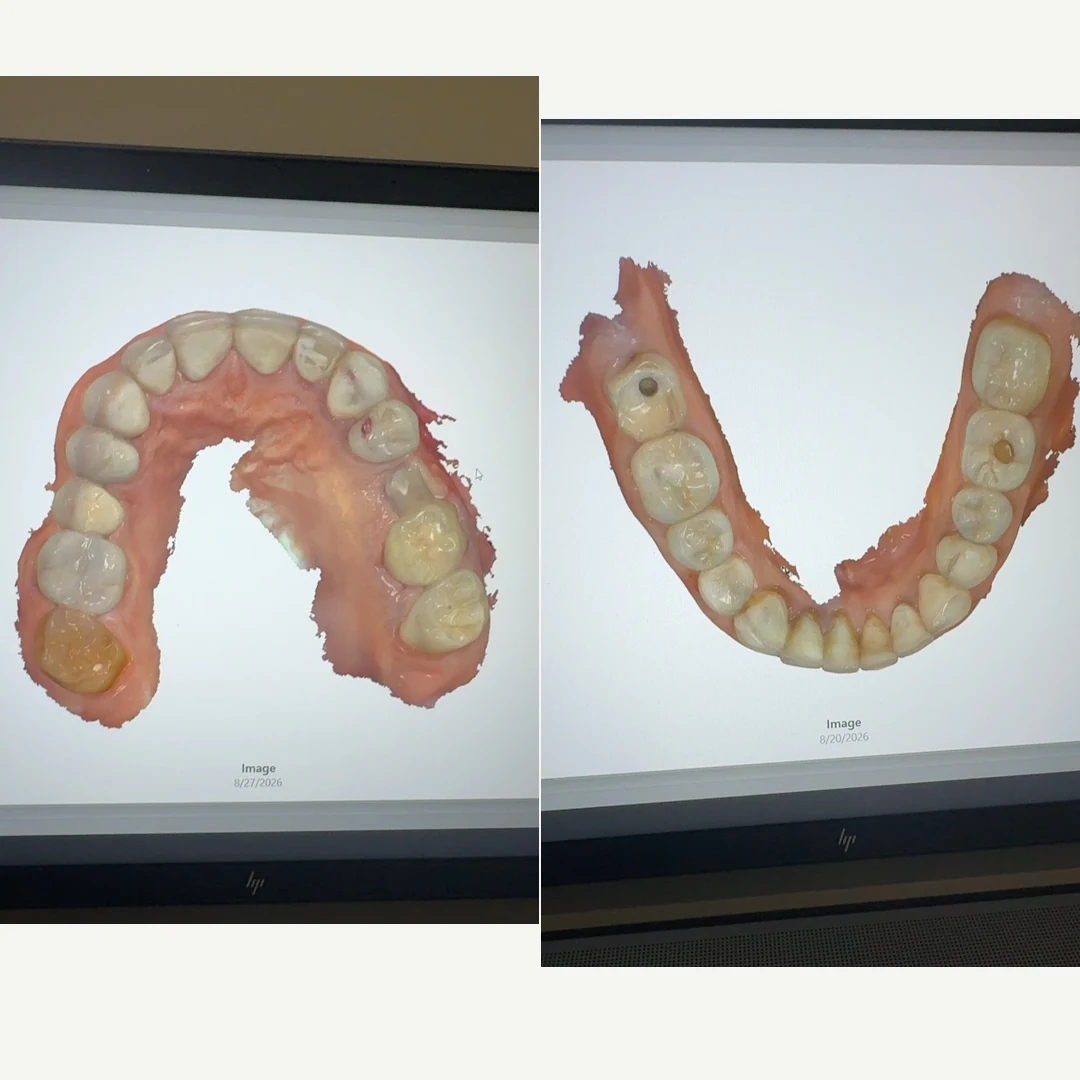
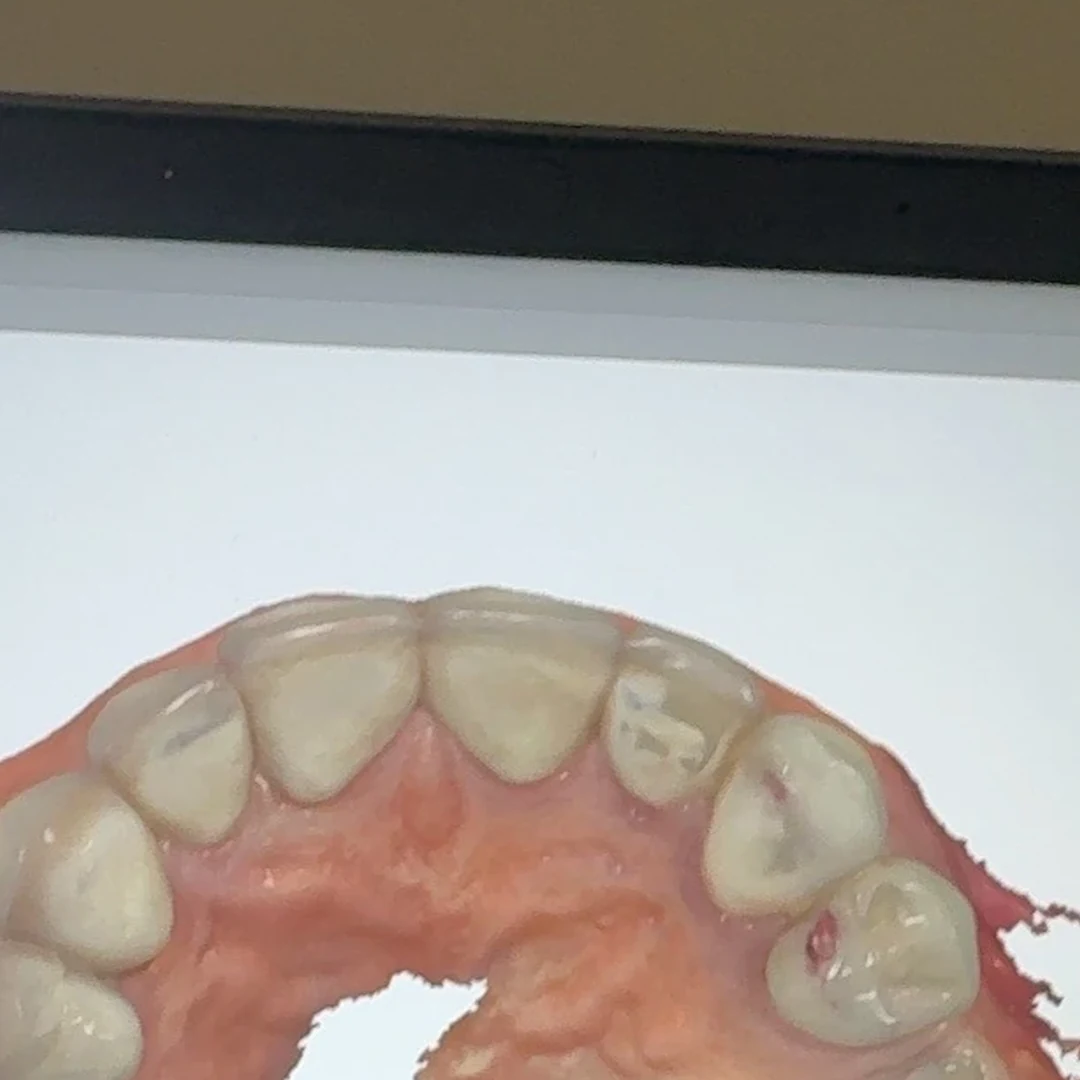
STEP 04
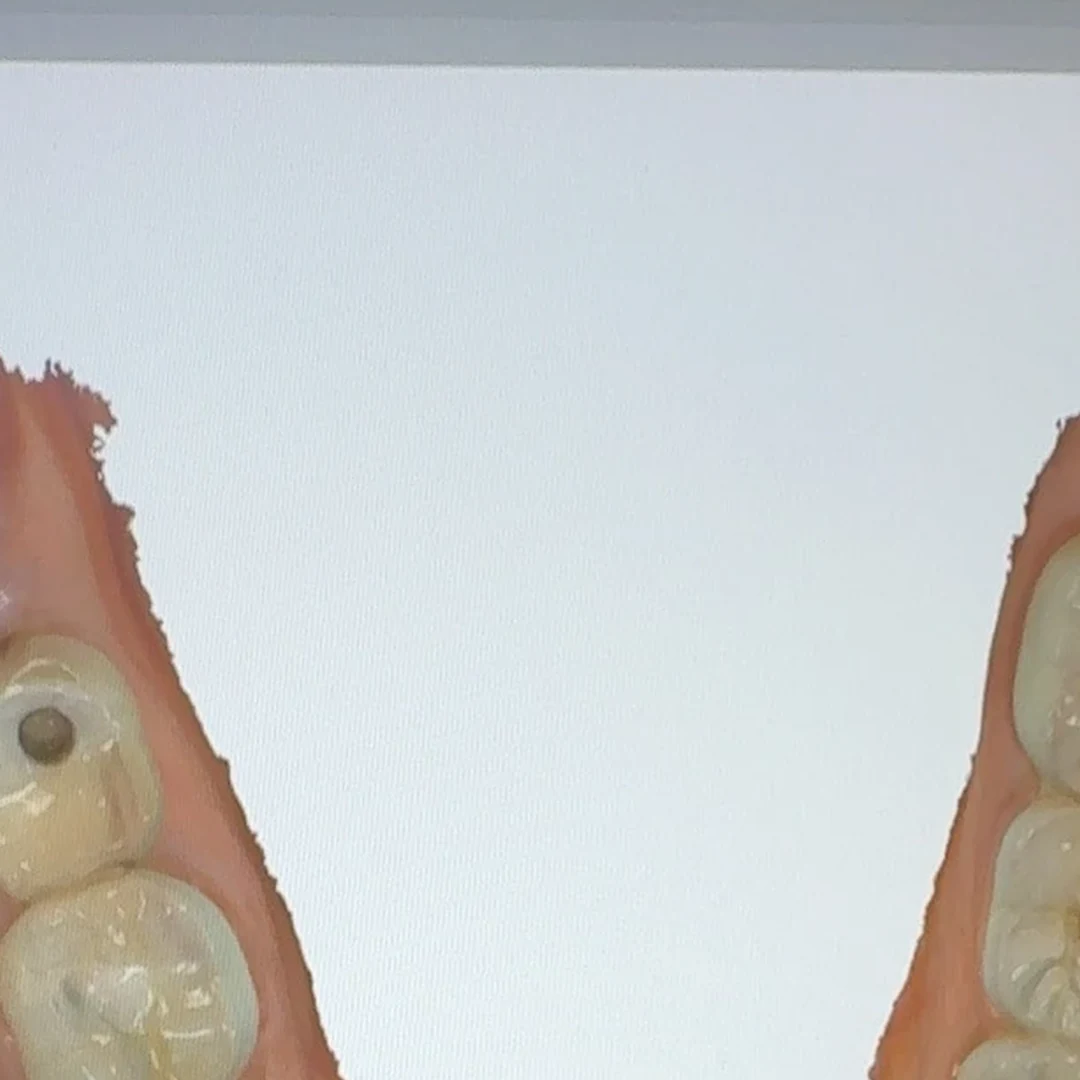
Digital Dental Scan
Bring your bite into the plan.
Detailed upper and lower dental scans are aligned with your other records.
Digital dental scan
↗
↓
Your records come together in one digital plan.
See Your Before. Preview Your Possible After.
Discuss your proposed treatment with a visual simulation of potential facial changes, alongside your bite and surgical plan.
Simulation is discussed following clinical assessment and digital planning. Actual results may differ.
BEFORE
SIMULATED AFTER
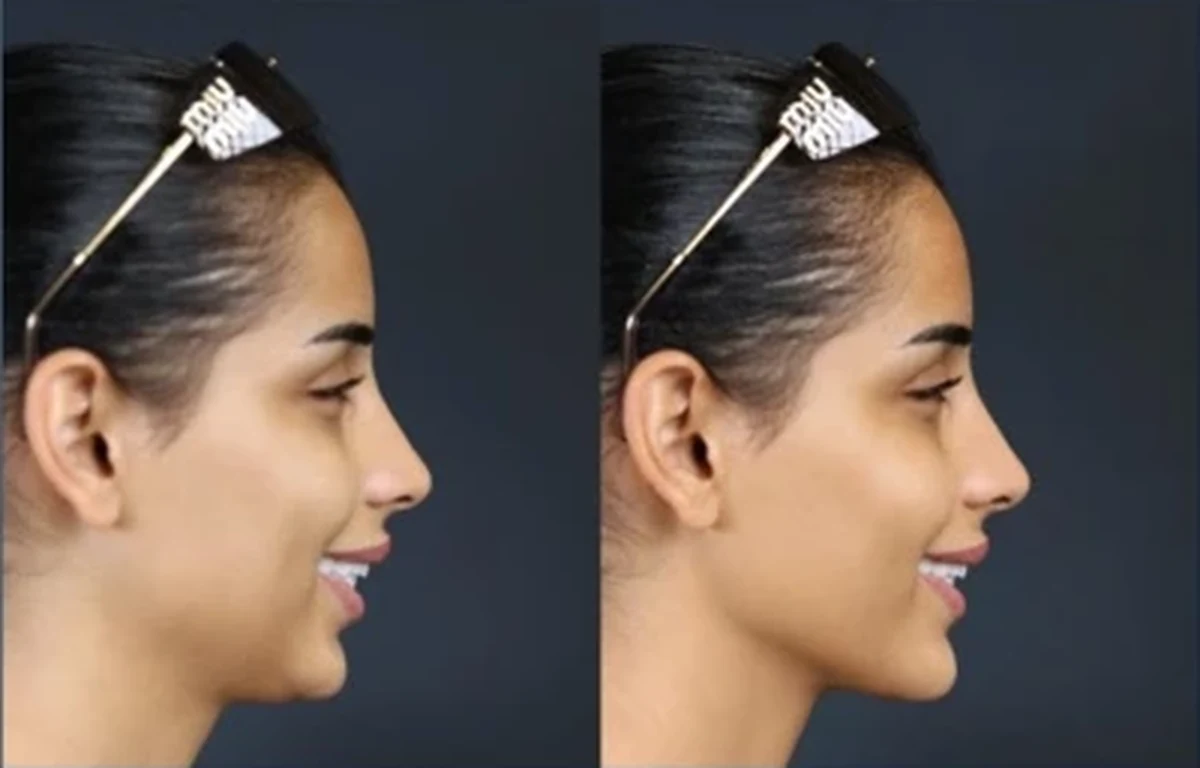
Facial contour planning example using customised implants. Shown to illustrate visual simulation; this is not a jaw-repositioning outcome.
Clinical Photography
Original clinical photographs, organised by view. Close-ups are crops of the original frontal photographs.

01. Frontal at rest

02. Frontal smile
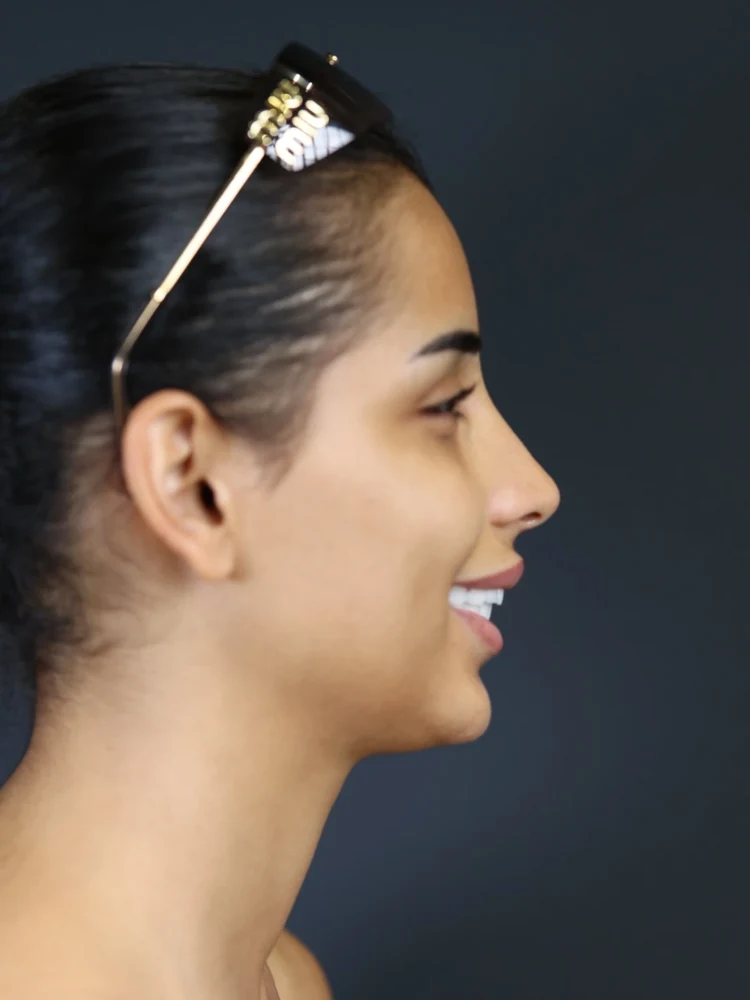
03. Right profile · smiling
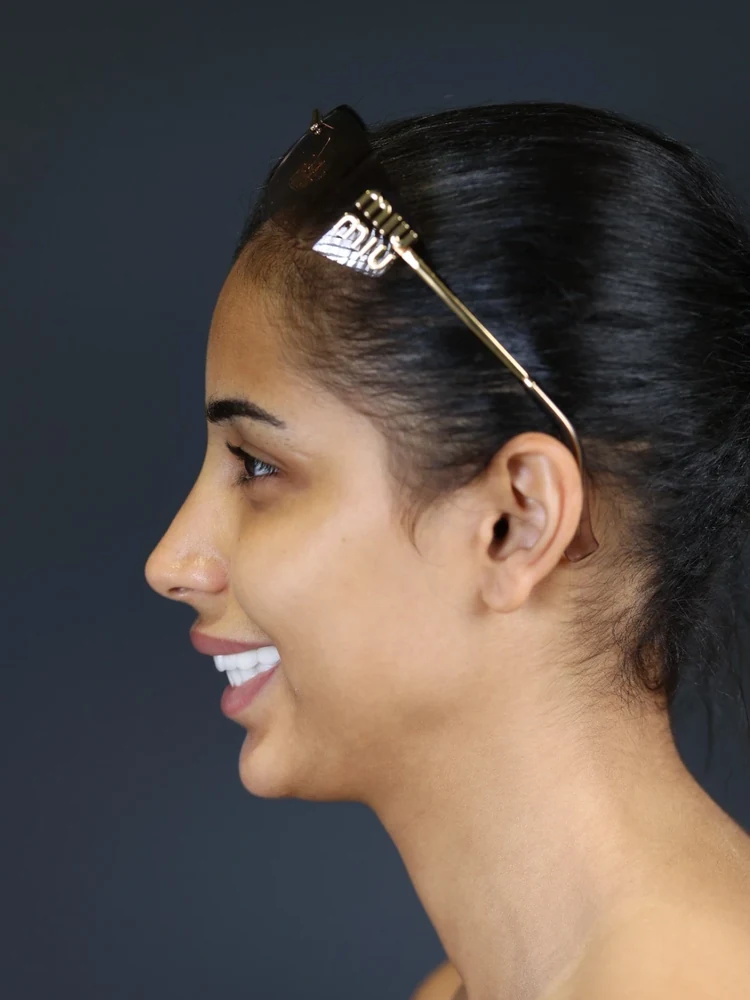
04. Left profile · smiling

05. Right oblique · smiling
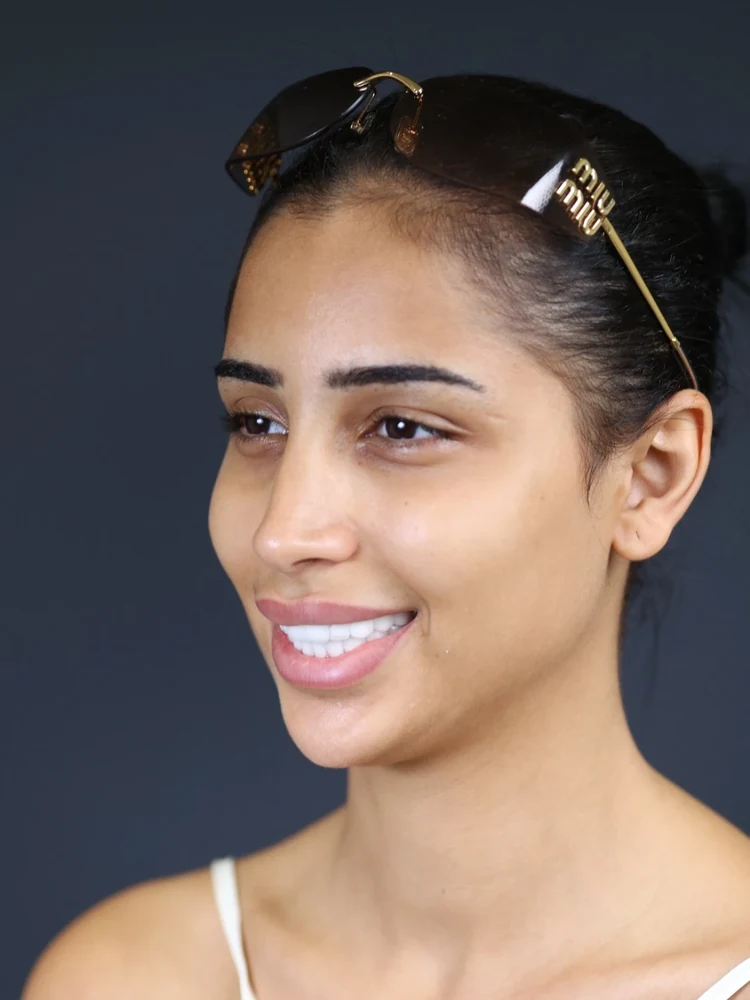
06. Left oblique · smiling
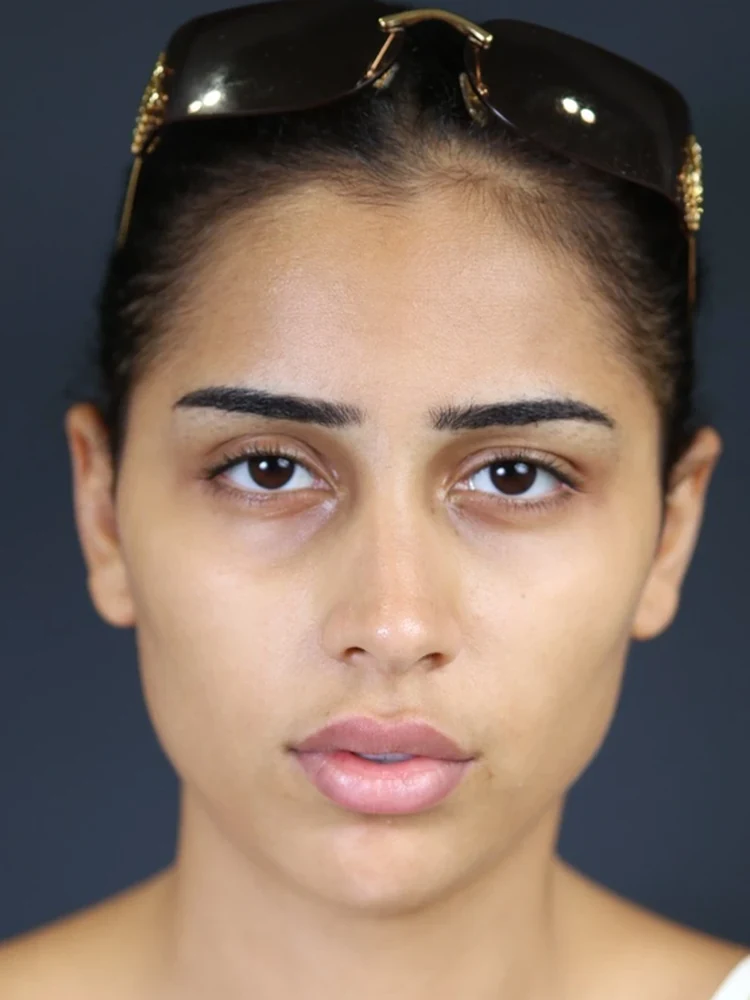
07. Frontal close-up at rest
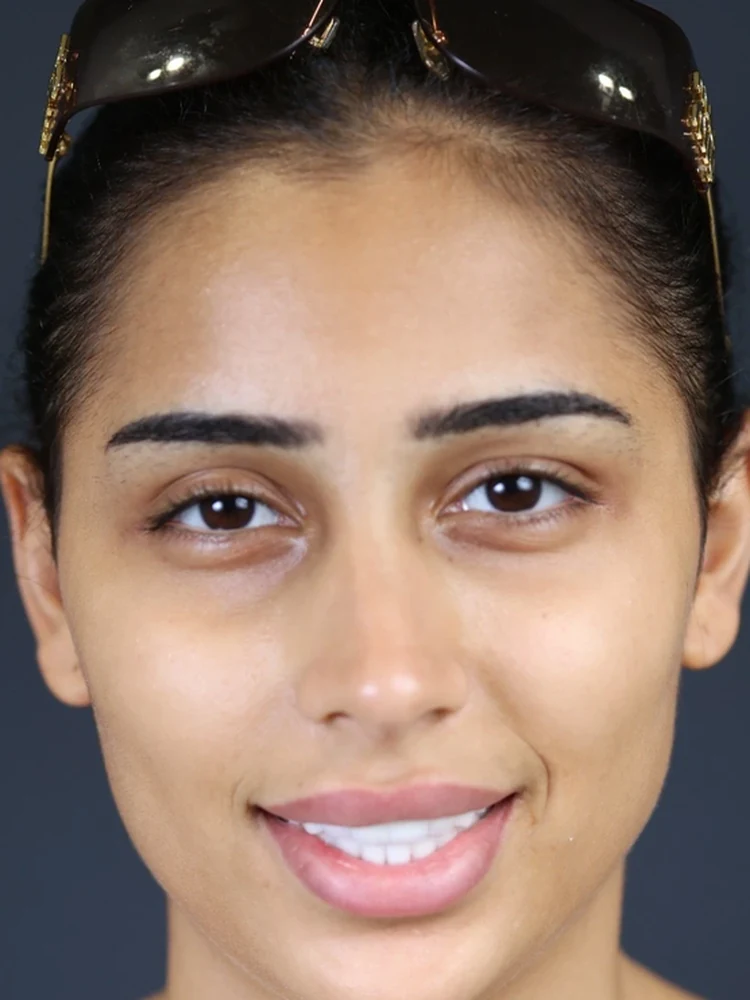
08. Frontal close-up smile
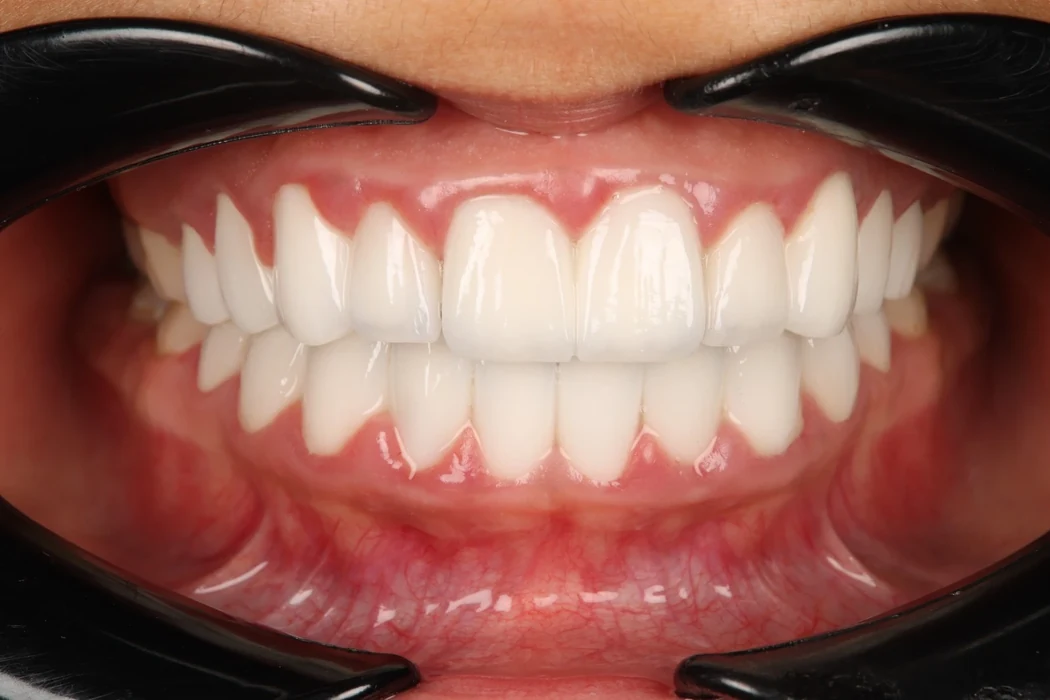
09. Frontal bite
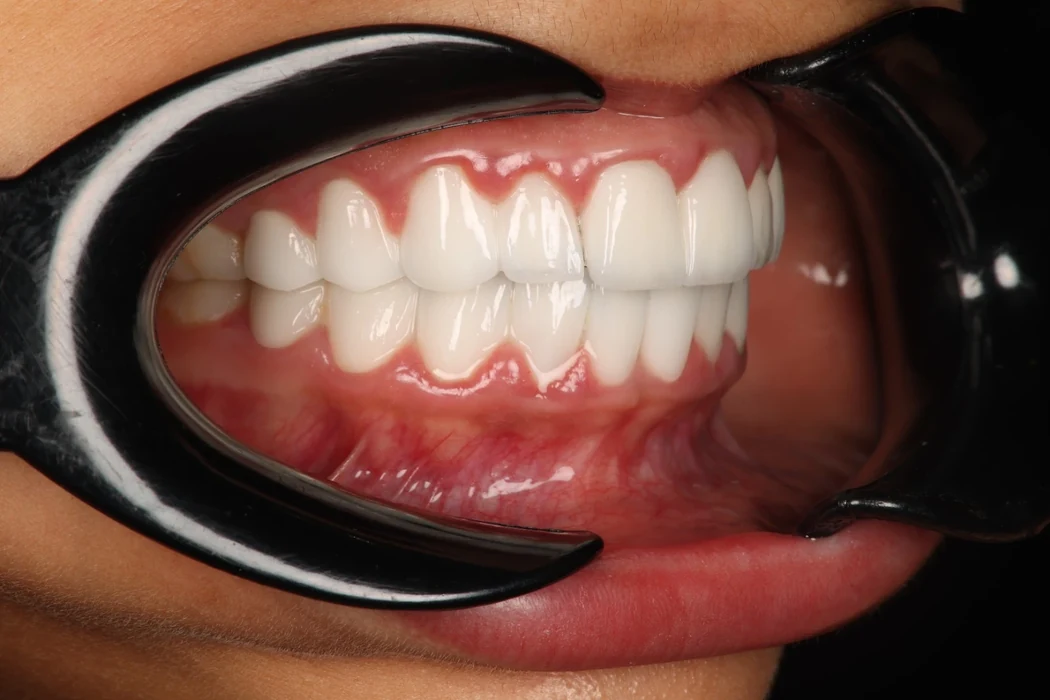
10. Right buccal view
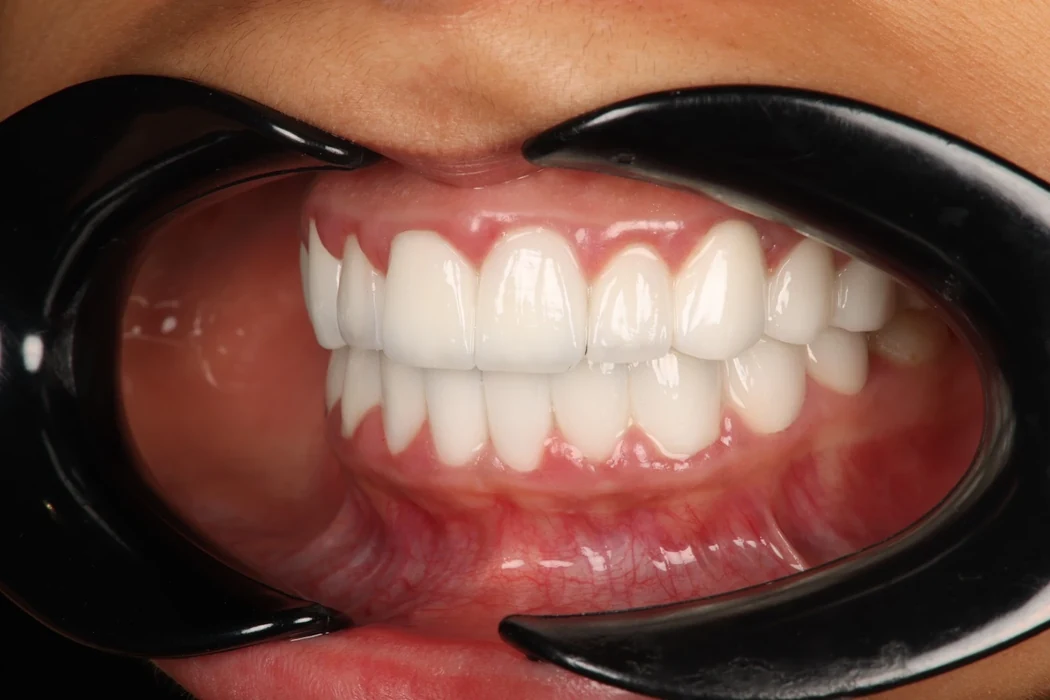
11. Left buccal view
See the Difference. Explore the Possibilities.
Compare facial profiles and smiles side by side. Each treatment plan starts with the individual, not a standard result.
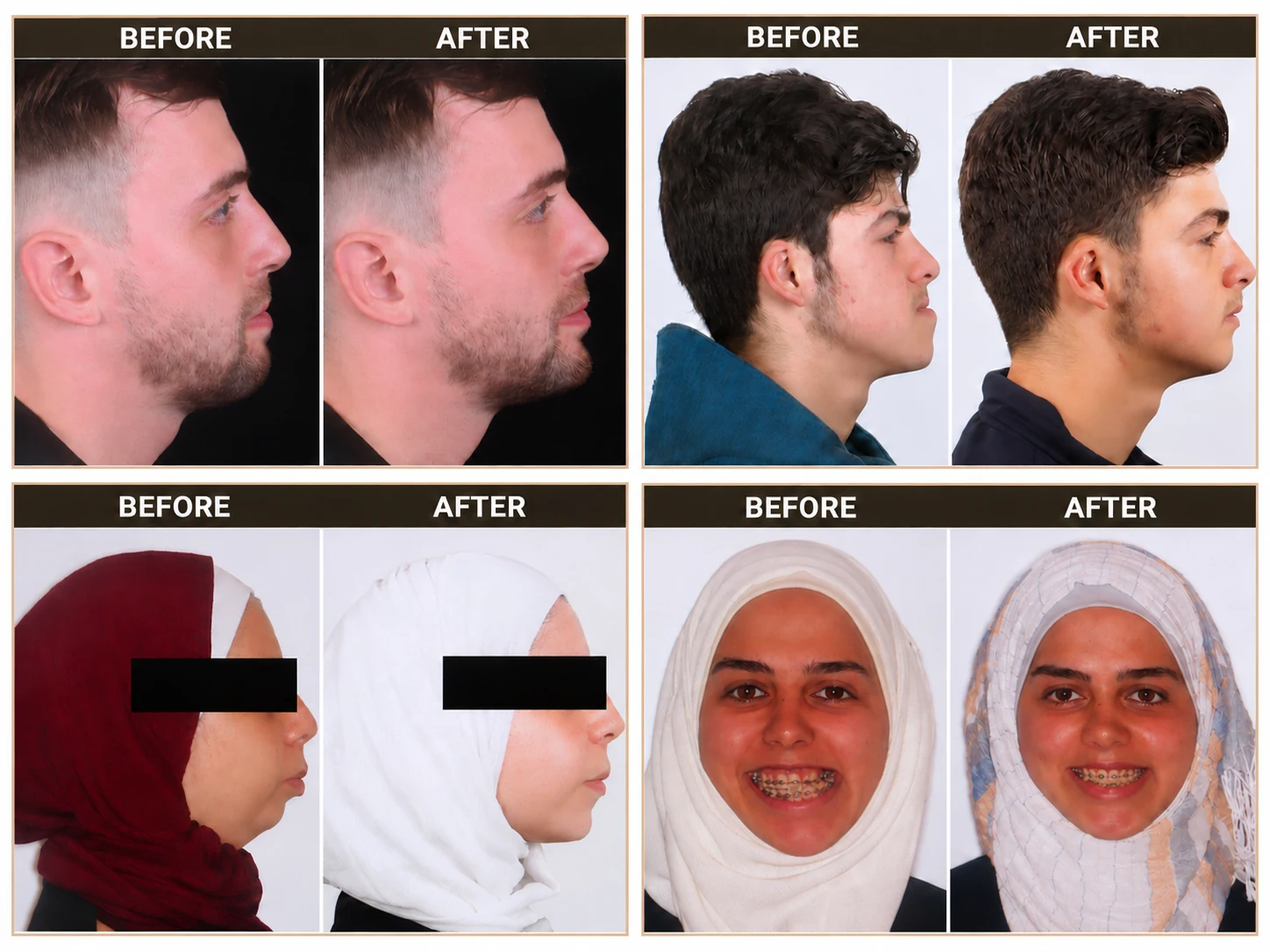
Design preview: These images were edited with AI to demonstrate the layout. Original clinical photographs must replace them before use as evidence of treatment results. Individual outcomes vary.
Your face. Your bite.
A plan made for you.
A Clear Path. From Consultation to Recovery.
Explore each stage of your treatment. Your team guides you through preparation, surgery and the recovery that follows.
Six stages · One personalised journey · Select a stage to explore
Stage 01 of 06
Your Consultation
We assess your concerns, bite and facial balance.
Stage 02 of 06
Orthodontic Preparation
When needed, your orthodontist prepares your teeth for the planned jaw position.
Stage 03 of 06
Your Final Surgical Plan
We bring your records together, finalise the jaw movements and discuss the simulation with you.
Stage 04 of 06
Your Surgery
Your personalised surgical plan is carried out in hospital under general anaesthesia.
Stage 05 of 06
Recovery & Support
Follow-up visits guide your healing, diet and gradual return to daily activities.
Stage 06 of 06
Finishing & Follow-up
Orthodontic finishing, when needed, refines your bite while we monitor healing and stability.
Your treatment sequence and timing depend on your individual needs. In selected cases, surgery may come before orthodontics.

Your Surgeon. Your Plan. Your Confidence.
Dr. Antoine Habib
Oral & Maxillofacial Surgeon · Dubai
01
Diagnosis Comes First
We assess your facial structure, bite and concerns before recommending surgery.
02
Function & Facial Balance
Your plan considers how your jaws work and how they fit your face.
03
Surgeon-Orthodontist Collaboration
Surgical and orthodontic planning come together around your individual needs.
04
A Plan You Can Understand
We explain the proposed changes, alternatives and limitations before you decide.
Surgical specialty
Advanced training
Teaching
Dr. Antoine Habib
Oral & Maxillofacial Surgeon · Dubai
Dr. Antoine Habib combines surgical assessment with orthodontic collaboration and personalised digital planning. His approach considers facial structure, bite function and the changes that matter to each patient.
Professional Background
- Oral & Maxillofacial Surgery training
- Advanced training in orthognathic surgery
- Teaching in the Master’s programme in Oral Surgery & Implantology at the University of Sharjah
How do I know if I need jaw surgery or braces alone?
Braces move your teeth, while jaw surgery corrects the position of the jaw bones. If your bite problem comes mainly from a mismatch between your jaws, braces alone may not fully correct it. A joint assessment with your surgeon and orthodontist will help determine the right approach.
Will jaw surgery change the way my face looks?
Yes. Repositioning the jaws can change your profile, facial proportions, and symmetry. The aim is to improve your bite while creating a balanced appearance that suits your face. The expected changes are discussed with you during planning.
Can I see a simulation of my expected results before surgery?
Yes. We combine CBCT imaging, a facial scan, clinical photographs, and a digital scan of your teeth to create your treatment plan. A facial simulation helps you understand the proposed changes, although it is a guide rather than a guarantee of your final appearance.
Do I need braces before and after jaw surgery?
Most patients need orthodontic treatment before and after surgery to align the teeth and refine the final bite. In selected cases, surgery may be performed first. Your surgeon and orthodontist will recommend the most suitable sequence for your case.
How painful is jaw surgery?
The operation is performed under general anaesthesia, so you will not feel pain during surgery. Afterwards, discomfort is managed with prescribed medication. Swelling, tightness, and temporary numbness are also common during the early recovery period.
How long is recovery, and when can I return to work?
Many patients return to desk work or study after around two to three weeks, depending on the procedure and their recovery. Physically demanding work may require longer. Swelling improves gradually, and full healing and settling of the facial tissues take several months.
What can I eat after jaw surgery?
You will initially follow a liquid or very soft diet, then gradually progress as healing allows. Hard or chewy foods must be avoided until your surgeon confirms that it is safe to resume chewing. You will receive clear dietary instructions for each stage of recovery.
What are the main risks, including numbness?
Risks include bleeding, infection, changes in the bite, and risks related to general anaesthesia. Altered sensation in the lips or chin is common after lower jaw surgery and often improves with time, but some changes can be permanent. Your individual risks will be explained before treatment.
Will the results last, or can my jaw move back?
Jaw surgery is planned to provide a stable, long-term correction. However, some movement during healing, known as relapse, can occur. The risk depends on your condition, the planned movements, and other factors. Follow-up care and orthodontic retention help maintain the result.
How much does jaw surgery cost in Dubai, and will insurance cover it?
The cost depends on whether you need upper jaw, lower jaw, or double jaw surgery, any additional procedures, and hospital and anaesthesia fees. Orthodontic treatment may be quoted separately. You will receive an individual quotation after assessment. Insurance coverage depends on your policy and medical necessity, and must be confirmed with your insurer before treatment.