Overbite and Recessed Lower Jaw Treatment in Dubai
Do your upper teeth appear far ahead of your lower teeth, or does your lower jaw look set back? These concerns can involve the teeth, the jaw bones, or both. Assessment identifies the cause and whether orthodontics alone can meet your goals.
Dr. Antoine Habib
Oral & Maxillofacial Surgeon · Dubai
Find the information
that matters to you.
Overbite, Overjet and a Recessed Jaw: What Is the Difference?
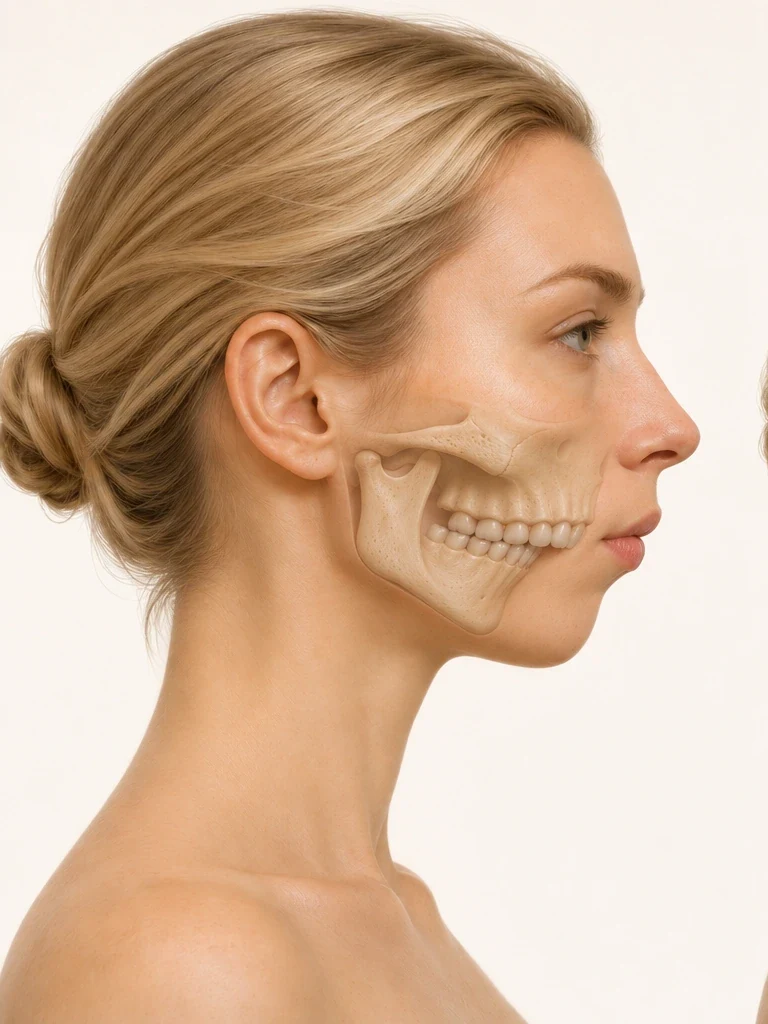
Overbite describes the vertical overlap of your front teeth. Overjet describes how far the upper front teeth sit ahead of the lower teeth. A recessed lower jaw describes the position of the jaw bone. These findings can occur together, but they are different problems and do not automatically require the same treatment.
When the Lower Jaw Sits Back
A recessed lower jaw may affect your profile, lip closure and the way your teeth meet. A Class II bite may reflect the teeth, the jaw relationship, or both. Examination of the bite and facial proportions, supported by appropriate records, helps distinguish these possibilities.
Braces or Jaw Surgery?
Orthodontics moves teeth. In selected cases it can correct the bite or compensate for a modest skeletal discrepancy. When a substantial jaw-position problem remains after growth, treatment may combine orthodontics with jaw surgery. The decision includes function, facial balance, treatment burden and your priorities.
How Lower Jaw Advancement Is Planned
The surgeon and orthodontist establish the intended bite and facial changes together. Lower jaw advancement may be appropriate, while other patients need a different or combined jaw movement. Genioplasty changes the chin point and does not correct the tooth-bearing jaw relationship.
Deep Bite and a Short Lower Face
A deep bite means excessive vertical overlap of the front teeth. A short lower face describes facial proportions. Either can occur without the other. Many deep bites are treated orthodontically. Surgery is considered when a clinically significant skeletal problem contributes and the expected benefit justifies treatment.
Recovery, Risks and Cost
After jaw surgery, swelling, diet changes and follow-up appointments are part of recovery. Altered lower-lip or chin sensation may persist. Other risks include infection, bleeding and changes in bite or stability. The quotation should identify surgery, hospital, anaesthesia and orthodontic costs separately.
What makes overbite surgery appropriate?
The depth of an overbite alone does not determine severity. Look at gum contact, tooth wear, overjet, lip closure and the skeletal relationship. If the lower jaw is genuinely recessed, compare orthodontics with lower jaw advancement. A normal bite with an isolated weak chin points to a different assessment.
Overbite vs underbite
Overbite describes vertical front-tooth overlap. Underbite commonly describes lower front teeth positioned ahead of the upper teeth. A large overjet is a horizontal gap and is sometimes called buck teeth.
Common Questions
Can braces bring my lower jaw forward as an adult?
Braces move teeth rather than surgically repositioning the adult jaw. Whether dental correction alone is suitable depends on the diagnosis.
Will a chin procedure correct my overjet?
Genioplasty changes chin position without moving the teeth into a new bite.
Does every overbite need surgery?
No. The amount of overlap alone does not determine the need for surgery.
Patient information: Cambridge University Hospitals · AO Surgery Reference

Dr. Antoine Habib
Your assessment considers jaw structure, bite function and facial balance. Surgical and orthodontic planning come together around your individual needs.