Facial Asymmetry and Uneven Jaw Treatment in Dubai
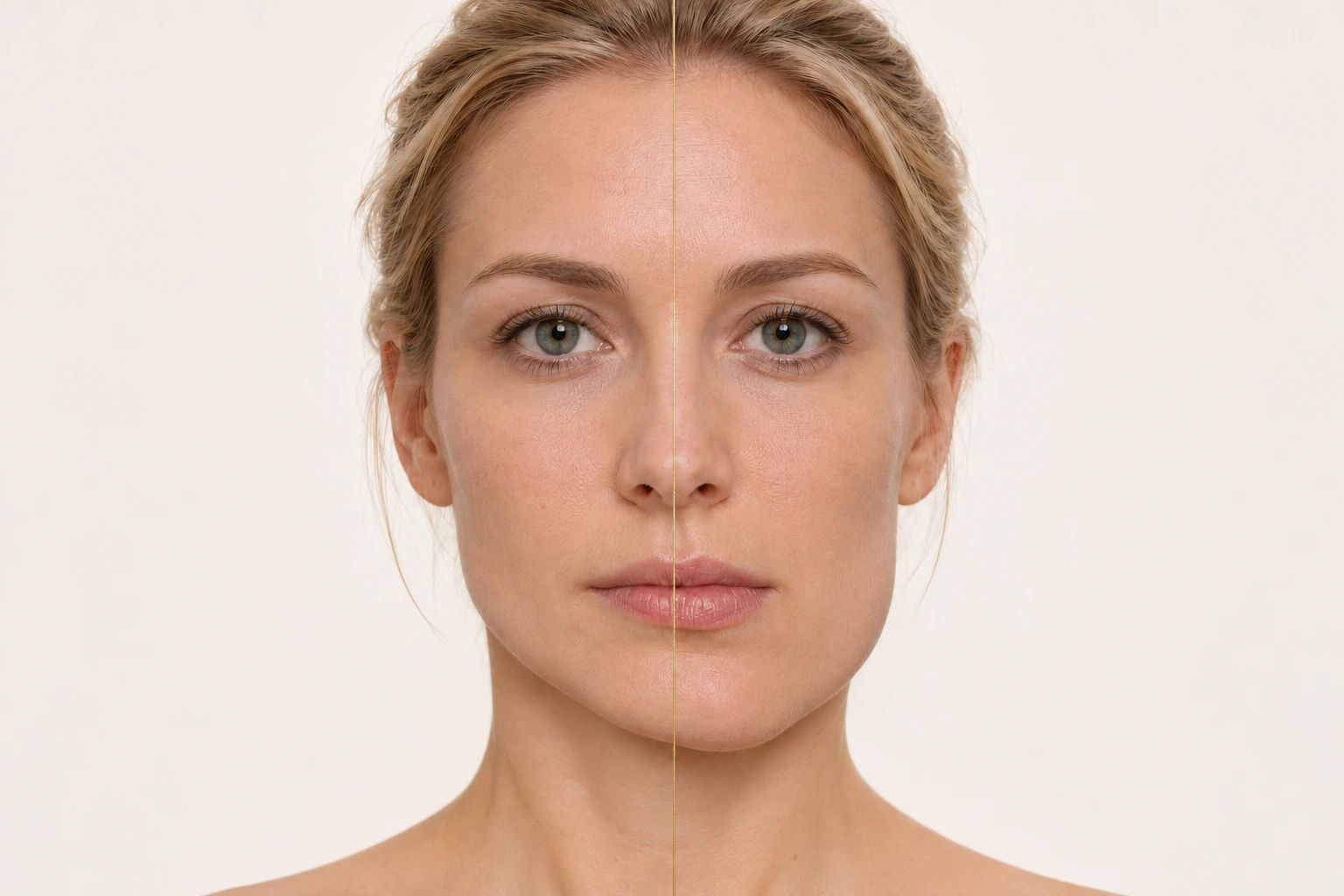
You may notice that your chin sits to one side, your smile tilts or your jaws look uneven. Some facial asymmetry is normal. When it affects your bite, changes over time or causes concern, assessment can identify which structures are involved.
Dr. Antoine Habib
Oral & Maxillofacial Surgeon · Dubai
Find the information
that matters to you.
Why One Side Looks Different
Asymmetry can involve teeth, bone, muscles or other soft tissues. Development, previous injury and differences in jaw growth may contribute. The appearance alone cannot establish the cause.
Crooked Jaw, Crossbite and an Off-Centre Chin
A displaced dental midline or crossbite may accompany skeletal asymmetry, but these findings can also have dental causes. An off-centre chin can be isolated or reflect the position of the whole lower jaw. Assessment looks at the face from the front and profile and examines the bite.
When Jaw Joint Growth Needs Assessment
If the asymmetry is progressing, the timing and cause matter. In selected patients, abnormal growth involving the jaw joint must be investigated before corrective surgery is planned. Scans and any additional investigations are chosen according to the clinical findings.
How Jaw Surgery Can Help
Skeletal correction may involve one jaw, both jaws or the chin, depending on the source of the imbalance. Orthodontics addresses tooth alignment as part of the plan. Soft-tissue differences may remain even after the jaws are better aligned, and perfect symmetry is not a realistic promise.
Planning and Before and After Comparisons
Useful records show facial midlines, smile tilt, jaw position and tooth contacts. Three-dimensional planning can support analysis of complex movements. A case comparison should explain what was corrected and what remained rather than relying on a single photograph.
Recovery and Limitations
Recovery depends on the correction performed. Swelling can be uneven initially and makes early comparison unreliable. Risks include bleeding, infection, sensory changes, residual asymmetry and relapse. Coexisting jaw joint symptoms need their own assessment and are not guaranteed to improve with jaw surgery.
Crossbite correction when the face looks uneven
An anterior crossbite affects the front teeth. A posterior crossbite affects the back teeth and can sometimes cause the jaw to shift when you close. Assessment distinguishes a dental crossbite, a functional shift and a difference in bone position. 3D planning can compare jaw movements in complex cases after the cause and any active jaw-joint growth have been evaluated.
Common Questions
Can braces fix an uneven jaw?
They can correct dental problems; a significant bone-position problem may need a combined approach.
Can fillers correct jaw asymmetry?
They may alter contours in selected cases but do not reposition the jaw or correct the bite.
Is perfect symmetry possible?
Treatment aims for a meaningful improvement with realistic limits.
Patient information: Cambridge University Hospitals · AO Surgery Reference

Dr. Antoine Habib
Your assessment considers jaw structure, bite function and facial balance. Surgical and orthodontic planning come together around your individual needs.