3D Surgical Planning in Dubai
Virtual surgical planning (VSP) helps the surgeon and orthodontist evaluate how proposed jaw movements fit your teeth and face.
Dr. Antoine Habib
Oral & Maxillofacial Surgeon · Dubai
Find the information
that matters to you.
What records are used?
Depending on the case, planning uses a CBCT scan to see the bones, an intraoral scan for the teeth, clinical photographs and a facial surface scan. Each record answers a different question.
How is the plan compared?
The records are aligned so the team can check dental fit, midlines, smile tilt and facial proportions. In double jaw surgery, the team can compare how movements are shared between the jaws.
How does the plan reach the operating room?
A surgical splint or selected guides may help reproduce a planned relationship. The surgeon checks the fit and position during the operation and makes adjustments where appropriate.
Will my face look exactly like the simulation?
A simulation is an estimate. Skin, lips, muscles and swelling do not follow bone movement one-for-one. Use the simulation to discuss intended changes, uncertainty and limitations.
Patient information: Cambridge University Hospitals · AO Surgery Reference
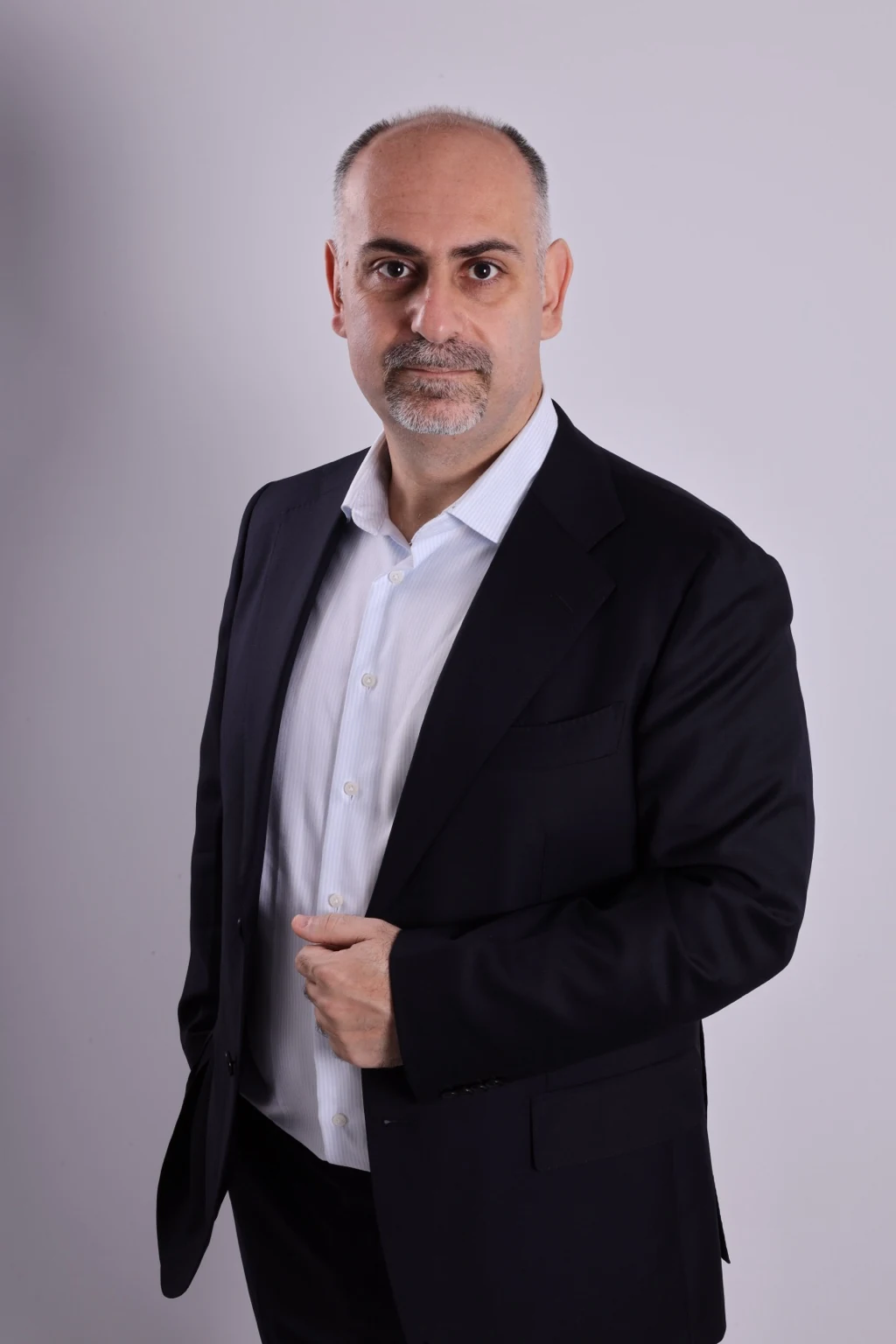
Dr. Antoine Habib
Your assessment considers jaw structure, bite function and facial balance. Surgical and orthodontic planning come together around your individual needs.